The sequel has officially crossed $100 million at the domestic box office after just 5 days in theaters. This ties it with Shang-Chi and the Legend of the Ten Rings for the fastest film to cross $100 million at the domestic box office during the pandemic. As if not impressive enough, the film also beat 2018’s Venom to the milestone, with the first film taking 6 days to do so.
This year has been a difficult one for most blockbusters. While hitting $100 million would be easy in a pre-pandemic era, most films have struggled to achieve the feat this year. Marvel Studios’ Black Widow hit $100 million after 6 days in release (with the film also on Disney+ at the time), F9 took 8 days to hit $100 million and A Quiet Place Part II did so in 20 days.
With little to no competition set to hit theaters this weekend, Venom: Let There be Carnage looks likely to rule the box office for a second weekend. The film was directed by Andy Serkis and stars Tom Hardy and Woody Harrelson.
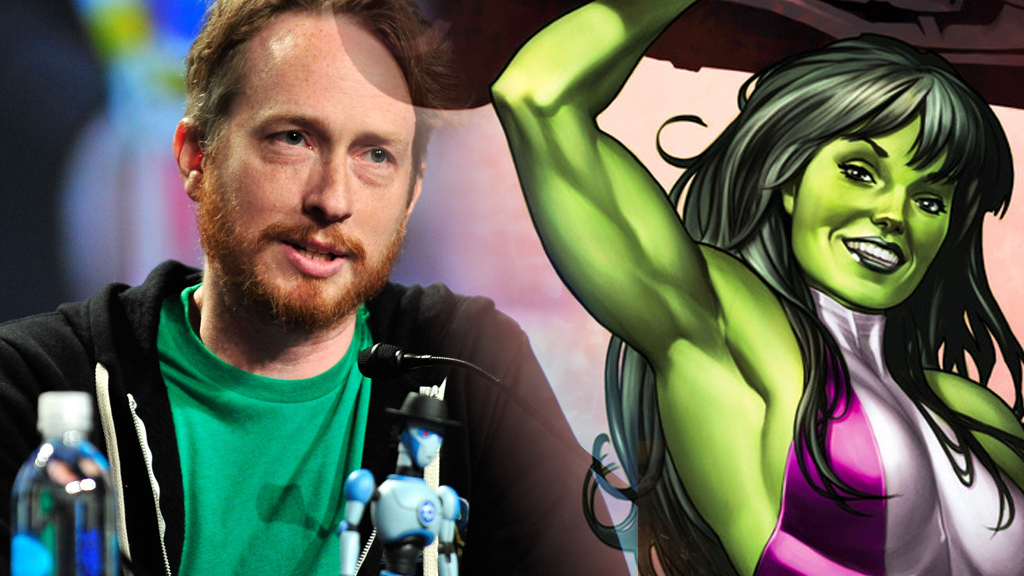
It’s not uncommon for some information to somehow get missed. There’s a lot of information that finds its way online, but sometimes it’s hidden in the most surprising of places. It looks like Spider-Man writer Zeb Wells confirmed his involvement with the upcoming She-Hulk Disney+ series. The tidbit is hidden away in the editorial section of The Amazing Spider-Man (2018) #75.
In it, he highlights that Wells, who has experience working in animation such as SuperMansion and Robot Chicken, is part of the writer’s room for the upcoming Disney+ series. It doesn’t highlight which role specifically he had, but his experience with parody series may have played a factor in how they approached She-Hulk‘s habits of breaking the fourth wall.
Cody Ziglar’s participation here is Zeb’s fault. Cody and Zeb worked together in the writers’ room of the upcoming Marvel Studios Disney+ She-Hulk show, and Zeb told me Cody was the real deal.
Avid fans have sharp eyes and always keep a lookout for any information on upcoming projects. It’s also curious they are able to discuss it freely without any prior announcements by Marvel directly. Perhaps they didn’t write episodes but acted as consultants on the project. It makes you wonder if other previous editorials included small teases of projects writers were involved with. Either way, it’s great to see Wells have a role in developing the Disney+ series. perhaps we’ll see more Marvel comic writers involved with these projects moving forward.
Ever since it first premiered, Titans has struggled to handle all of the characters it insists on introducing every other episode. This first became evident in the first season when we were introduced to Beast Boy. He was an instant fan favorite but was quickly sidelined and used as the series’ punching bag. It only got worse in the follow-up season, as it continued to introduce more and more characters. The tragedy was that it only continued the trend when it introduced Superboy.
In his first appearance, Connor Kent stayed true to his origins. He’s a clone of Superman and Lex, who was created by Project Cadmus. While Joshua Orpin is in no way a bad fit for the role, the issue lies in that he’s not given anything to do. Even to this day, the character that can see through walls, punch holes through a wall, and so much more has no story arc.
We will tackle spoilers from Titan’s third season in the rest of this article. If you haven’t watched the series yet, only continue at your own risk.
In this season of Titans, we see Connor meander around Wayne manor. He only serves the story as a plot device. He even makes a device in hopes to stop the bomb that’s been bolted into Hanks’s chest. As such, he spends an entire episode doing nothing else. When he is unable to save Hank, he’s obviously quite distraught but the series quickly abandons that. Now, Superboy is suddenly in a relationship with Komand’r. There’s no real build-up outside of a minor flirt and oddly just happens.
This fling seems to only be used as a means to bring back a chipper versionConnor. At first, you just kind of assume Blackfire could be using Connors solar energy to restore her abilities. Our indication was the inclusion of purple energy around the room, but that doesn’t seem the be the case after all.
Titans had the chance to expand upon how Young Justice approached its Superboy, a person who didn’t know their place in the world. He was constantly at odds with himself as the models of his makeup are in a contrast, causing his excessive anger issues. Instead, this Connors genetic origin is used simply to push the story forward in a lackluster and uninspired way.
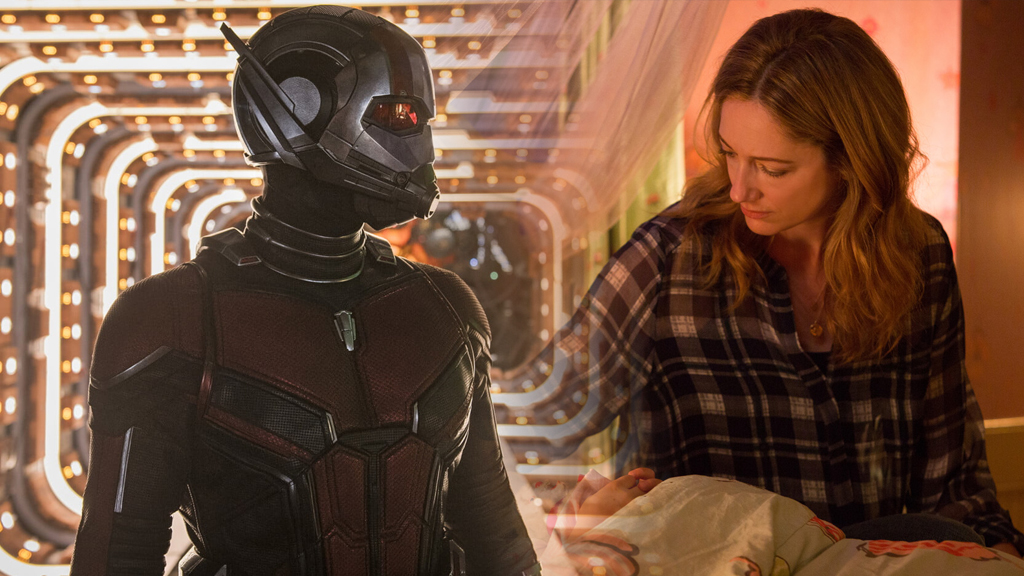
When Marvel Studios announced the third entry of the Ant-Man and the Wasp franchise, we assumed it would see the return of the original cast. Yet, the moment Kang the Conqueror joined as its main antagonist, it changed everything. It opened up the question if minor characters would get included or if the story takes a very unique direction moving forward. Well, Judy Greer, who plays Scott Lang’s ex-wife, confirmed she isn’t involved with the film.
In an interview with ScreenRant, she shared her excitement to potentially join Quantumania. She hasn’t been contacted to join the production, which normally you would assume they’d make any dealings ahead of the production start. There’s always a chance they might invite her to film scenes at a later time.
I haven’t been told anything so I guess I’m not in it. I’m actually not, I’m terrible at [keeping secrets]. I always tell people like, ‘Just don’t tell me if you don’t want me to tell everyone.’ No one has contacted me and feel free to print that, that I’m very available and very willing to go.
Judy Greer
The recasting of Cassie Lang is still a big mystery. Kathryn Newton is taking over the role of Emma Fuhrmann, who tackled the role in Avengers: Endgame. If her change is integral to the plot, they might want to also have her mother react to her daughter looking quite different. Of course, there’s still the chance the recasting won’t tie into the story, but it would make for a curious connection to the multiverse.
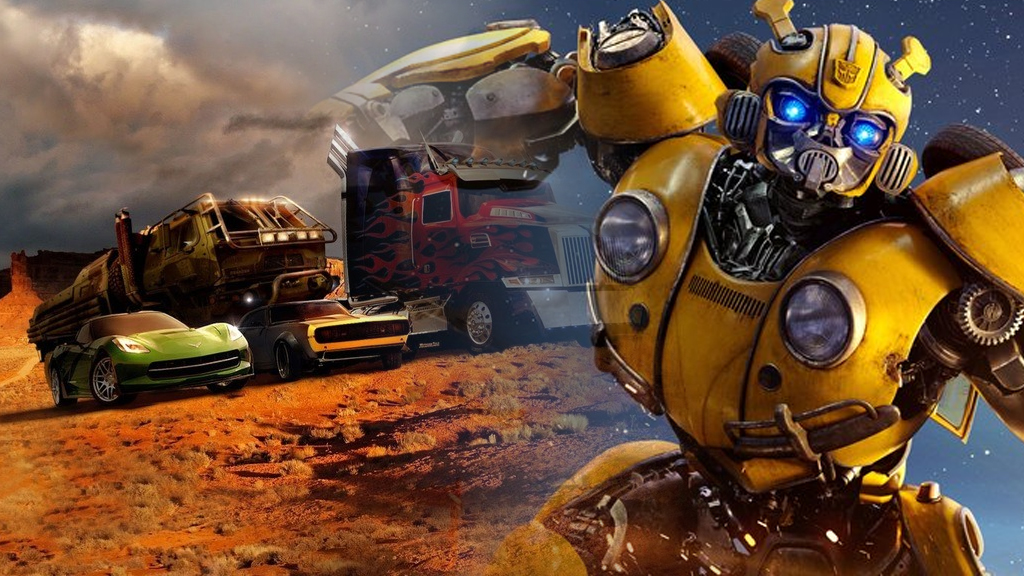
The image only shares their car forms, but they still offer a good glimpse at the designs they are going for. Bumblebee has seemingly gone through another redesign. It also doesn’t fully match the set photos that we saw, which might hint at him going through another change. The bike does hint at the inclusion of Arcee potentially in the film.
We still haven’t gotten a confirmation of which members of each team will be represented. It does seem like they are focusing on a more grounded story as the showcased Transformers are mainly car-based this time around. There’s always the chance they simply aren’t included in these set photos. There are very likely quite a few mystery additions that Caple Jr. is keeping from fans and this might simply be scratching the surface of what is heading our way once it hits theatres.
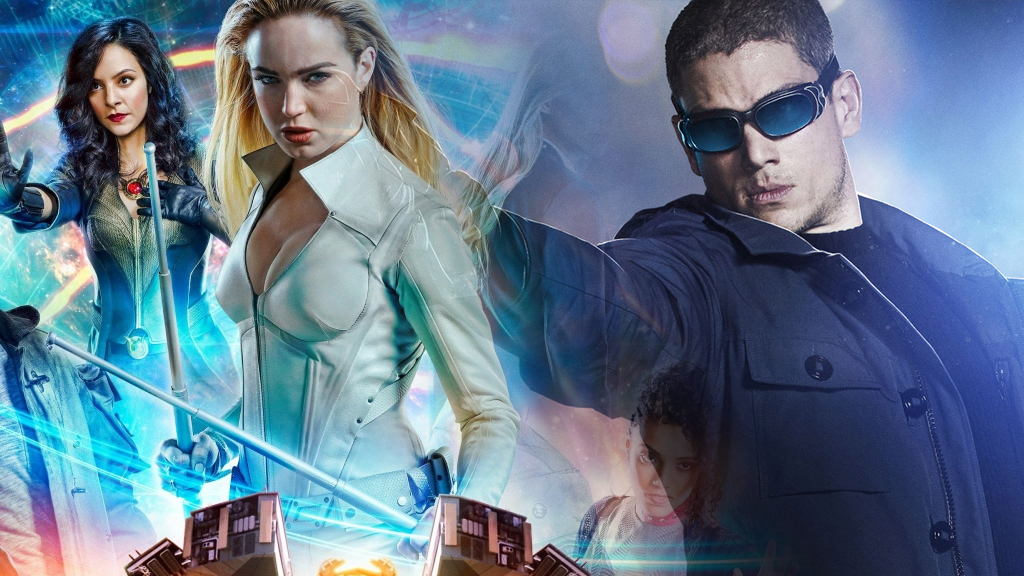
Looks like DC’s Legends of Tomorrow has found a special guest to celebrate its 100th episode. Wentworth Miller will reprise his role as Leonard Snart, or better known as the Flash villain Captain Cold. It’s set to air on October 27th as Caity Lotz revisits the past seasons through the eyes of the A.I. Gideon. Executive producer Phil Klemmer talked to TVLine and confirmed his appearance.
Not just that, he also hinted that he’ll get joined by some other familiar faces on the way. While they prepare for a new generation of unlikely heroes, Klemmer teased that we’ll get one last hurrah with some familiar faces in the 100th episode.
We also wanted to give a chance for the newest generation of Legends, the Astras and Spooners of the team, to meet up with some of the original gang.
Phil Klemmer
Of course, Klemmer didn’t go into detail or tease further additions. We still have some time until it airs, which could give them more time to tease returning actors. Brandon Routh will have a role in the upcoming The Flash crossover event. So, he may have filmed a few scenes for this series as well. Perhaps we also get one last moment with Martin Stein or Rip Hunter, who both heroically sacrificed their lives at one point in the series.
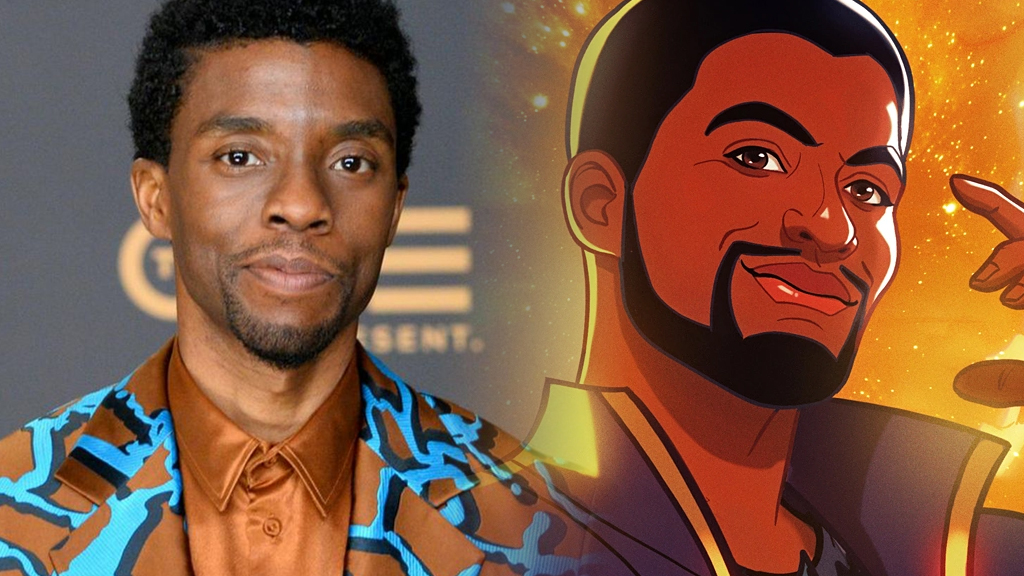
What If…?‘s first season came to an end. The story explored alternate universes where our favorite heroes and friends took on very different roles. In it, we got introduced to a different version of T’Challa, who ended up taking on Star-Lord’s role in the galaxy. Chadwick Boseman gave his final performance in the series as the titular character, and it seems there were originally more plans to expand. Director Bryan Andrews discussed the original plans in an interview with Variety, where he confirms their original plans before his untimely death.
I don’t know if he knew this, but there was planning to have Star Lord T’Challa spin off into his own show with that universe and that crew and that whole thing. We were all very excited. We know he would have loved it, too. And then, you know, he passed, and so all that’s in limbo. So, who knows? Maybe one day.
Bryan Andrews
Tragically, Boseman couldn’t build upon the ideas and concepts he helped develop in the Disney+ series. His spirit will live on in the franchise, especially with the upcoming Black Panther sequel. He also gave some touching speeches in What If..? that’ll surely stick with people for many years to come.
There’s no word if they wanted to explore it as an animated feature, or even turn it into a live-action franchise. The fact they are open to exploring the multiverse as unique projects outside of this animated project also raise many possibilities. Perhaps our pitches for multiversal stories, like a No Way Home spinoff focusing on Raimi‘s version of Flash Thompson becoming Agent Venom.
Here’s a rather interesting announcement. It looks like the popular Webtoon series Batman: Wayne Family Adventures will get a live-action adaptation. Filmmakers Ismahawk will bring the series to life in a three-part miniseries. It’s going to premiere in mid-October and will explore Bruce Wayne’s extended family in a comedy. The series broke records for Webtoon and has become popular among DC fans. It’ll be the first live-action series to explore Wayne’s entire family, as most adaptations tend to focus on Dick Grayson. Titans is the first adaptation to introduce three Robins, but characters like Stephanie Brown, Cassandra Cain, Damien Wayne, and more never got the pleasure.
IGN has also shared the first look at the adaptation alongside a casting overview:
Jonathan Bentley as Bruce Wayne
Yoshi Sudarso as Dick Grayson/Nightwing
Lisa Foiles as Barbara Gordon/Oracle
Tim Neff as Jason Todd/Red Hood
Peter Sudarso as Tim Drake/Red Robin
Meghan Camarena as Stephanie Brown/Spoiler
Gemma Nguyen as Cassandra Cain/Orphan
Carter Rockwood as Damien Wayne/Robin
Du-Shaunt ‘Fik-Shun’ Stegall as Duke Thomas/Signal
Marcus Weiss as Alfred Pennyworth
It’s great to see the series’ popularity also lead to a very impressive-looking live-action series. The costume design for Red Hood can compete with the likes of Titans. It’s also great that characters like Spoiler, Signal, and Orphan get their time to shine. Of course, its continued opportunity might inspire HBO Max to expand beyond a miniseries.
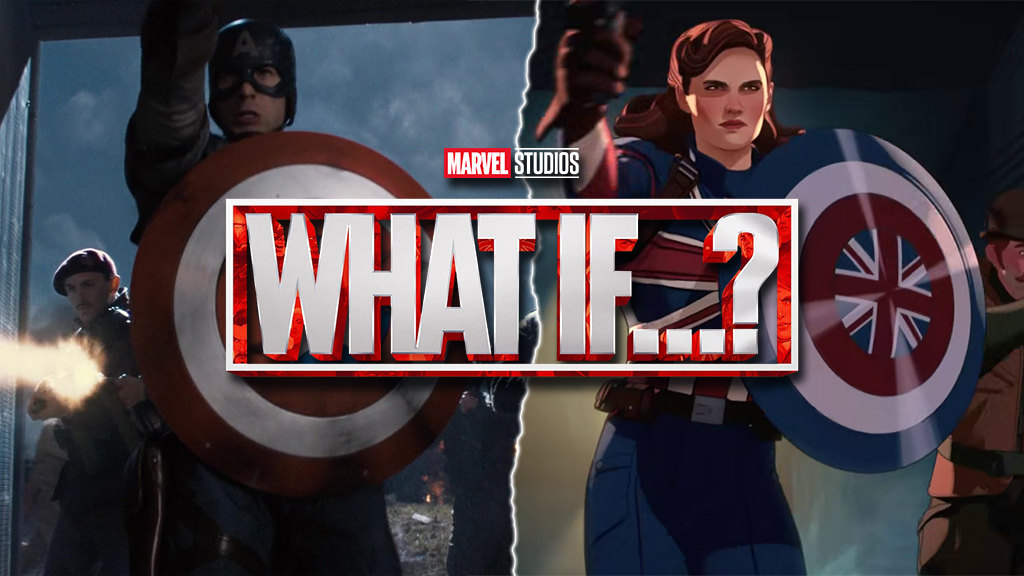
Today saw the release of the season finale of Marvel Studios’ first animated venture, What If…?. Over the course of 9 episodes, the show did its damnedest to play with the framework offered by 20+ films in the canon and the premise of an anthological format. The result is an unexpected mixed bag of stories that felt way too familiar. For a show that was supposed to explore the endless outcomes of the multiverse, we sure as hell got some glaringly familiar outcomes.
For example, Captain Carter is transported to the present-day, in time for the opening events of The Avengers, at the end of the pilot episode. It’s a deviation you’d think would massively impact the fate of the MCU; if Peggy is around to fight Loki as soon as he arrives on Earth, the world would be forever changed. Yet when we catch up to where she is in this finale, she’s somehow on the same path as Sacred Timeline Steve; headed to the Lemurian Star in a stealth suit to stop Batroc from hijacking the ship. The ripple effect should be way more monumental than the HYDRA Stomper showing up at the end.
Why is this the case when even the smallest of deviations can alter timelines in drastic ways?
To ask why from a story POV would be to tear apart the seams of Captain Carter’s timeline, which no one has time for. But to ask from the vantage of the show and all its episodes makes the answer clear: the show is more concerned with honoring the MCU’s past than it is carving its own future, for better or worse. It cares about giving audiences to point fingers at like that DiCaprio meme. A lot of the creative decisions in this show end up feeling like mandates because of how restrictive it feels. Every episode has to be about an existing movie. All the players involved must be characters in the canon. Episodes must have familiar MCU scenes.
That’s how you end up with a ludicrous subplot like using Arnim Zola, a primitive AI from the 1970s, to stop a superior technological cosmic being like Ultron. Why is that the solution in a multiverse of infinite possibilities? Why are they aping the notoriously dumb subplot of Independence Day? Why couldn’t it have been Kree or Skrull tech? Why didn’t the Watcher pluck out technology from another universe that would rival Ultron? It just had to be Zola because… reasons and to do something unfamiliar would be to go against the season’s grain.
When I took the job, one of my rules was let’s be free. We’re in the multiverse — we should be as free as can be and go and run into the wild, into the stories the movies will never do, into the stories the TV shows will never do, and show both Disney and the fans all the possibilities of these characters.
Head writer AC Bradley’s quote above feels naught given the outcome of the season. When every episode seems keen on covering the MCU’s greatest hits than making its own, it doesn’t feel exactly free. Sure, What If…? does take some interesting swings in imbuing genre tones into familiar episodes like turning Fury’s Big Week into a murder mystery or turning the first Doctor Strange movie into a tragic romance. But those tonal changes can only do so much when everything else plays out like movies fans have seen dozens of times.
It’s why the Killmonger episode feels somewhat empty. It throws in a wrench in the form of Tony Stark surviving his kidnapping but never explores it. What happens to a world without Iron Man? What would happen if Killmonger became a force for good? The show never really asks itself that. Instead, the events of Iron Man pan out in the dullest way possible. The events of Black Panther happen anyway when Killmonger ends up taking over Wakanda. It’s as if they just wanted to cover Iron Man and Black Panther in an episode to fill a quota.
It shouldn’t come as a surprise that my favorite episode of the season is the Star-Lord T’Challa one. Brushing aside that it’s a poignant piece of storytelling that beautifully sends off Chadwick Boseman as T’Challa into the aether, it’s the one that riffs the least on the MCU’s past. The episode feels fresh on a lot of levels and gives us macro ripple effects such as Thanos becoming a good guy and the universe becoming infinitely a better place. Sure, it recreates the iconic GOTG Morag scene but it’s an episode that lives and breathes on its own terms.
Lucasfilm’s far superior anthology series, Star Wars: Visions, celebrates the essence of Star Wars not by redoing The Phantom Menace or The Last Jedi but by creating new tales that revered George Lucas‘ resonant vision of a galaxy far, far away. The end result is an amazing tapestry of wildly original Star Wars stories that fans are already demanding spin-off shows for. The people who made those shows respected the greatest hits of the Star Wars universe and, in turn, made their own.
The first season of What If…? isn’t a bad one but it’s one that leaves a lot to be desired. That it’s Marvel Studios’ first animated anthological outing gives it somewhat of a pass but in order for the show to become greater in future seasons, it needs to start making its own hits instead of covering others.
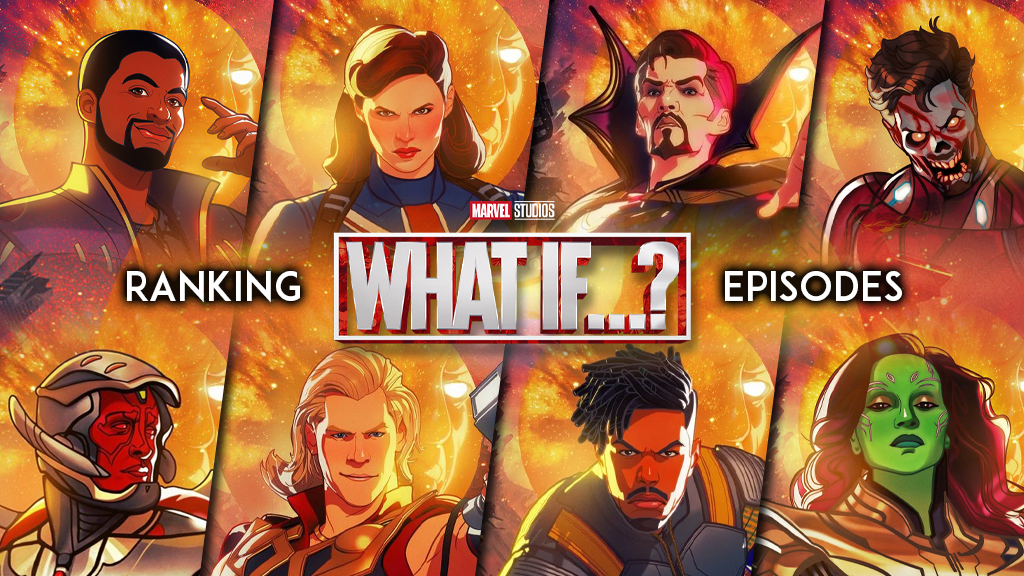
With Season 1 of What If… ? in the rearview mirror, it’s clear that the series certainly proved that it had more up its sleeve and more to offer its own multiverse than it seemed to early on. Marvel Studios’ first animated and anthology series was an unlikely candidate to be the first to truly delve into the newly opened multiverse, but What If… ? was specifically engineered to do just that. The episodes are a mixed bag, both because the series intended for them to be and because some fell short while others exceeded expectations. With that in mind, we rank all 9 episodes of What If… ? below:
9. What If… Captain Carter Were the First Avenger?
At the end of the day, What If… ?’s leading episode is the plainest and least interesting of all. The premise was simply the whole plot of Captain America: The First Avenger, and virtually the only change was Peggy and Steve switching places, more or less. While arguably it was designed well to introduce viewers to the concept of the series, the story itself was bland and a three-minute version probably would have had the same effect overall.
8. What If… Killmonger Rescued Tony Stark?
If Killmonger wasn’t such a great character and if Michael B. Jordan wasn’t Michael B. Jordan, this episode would have felt like a complete flop. Even though the premises are substantially altered, the episode somehow strongly embraces the restrictive concept of sticking closely to the Sacred Timeline source. In this case, it is both Iron Man and Black Panther, but it feels like the Captain Carter episode in terms of watching a condensed version of stories we already know. Killmonger’s deception and manipulation felt one-note pretty quickly, and the episode ends in a place that neither feels like a resolution nor a cliffhanger—it just sort of feels like it was cut off in the middle.
7. What If… the World Lost Its Mightiest Heroes?
Nick Fury’s Big Week is where we first were introduced to the idea of What If… ? routinely killing off major characters in order to make things feel different and add some sort of stakes to the plots that are so easily cast-off as hypotheticals. The theme of this episode is that there is always hope, and there will always be heroes willing to rise to the occasion. Samuel L. Jackson’s Nick Fury gets a much-appreciated spotlight, but otherwise, the story plays out so flat that the death of five Avengers doesn’t come across as upsetting. The elements of a solid murder mystery are present, but it just doesn’t execute in terms of delivering something deeper than a surface-level concept.
6. What If… Thor Were an Only Child?
The Party Thor episode is a great example of an episode that everyone can both completely agree and disagree on. There is no doubt that this episode was fun with its countless easter eggs, seemingly infinite cameos, and silly let’s-have-a-good-time energy. Whether or not that makes for a satisfying episode up for debate. While there’s nothing particularly wrong with the episode, there’s nothing particularly worthwhile either. At the end of the day, it feels more like empty fan service than anything else. To be fair, that’s what a lot of people wanted from the series.
5. What If… T’Challa Became a Star-Lord?
T’Challa’s episode is genuinely delightful on multiple levels. There is a certain warmth that comes from Chadwick Boseman’s leading voice performance, and his own energy and presence matches well with the episode’s point that T’Challa would have made the universe a much better place than it is. This competes with the zombies episode for the funniest episode, but it is undeniably the most comforting heartwarming episode the series put out. Its themes of family and belonging hit the right notes, and something about T’Challa reconnecting with Wakanda just makes this episode feel fulfilling.
4. What If… the Watcher Broke His Oath?
The finale did deliver a sense of resolution to the series and the Ultron arc that began last episode. While it was exciting to see pieces and characters of the multiverse come together in such a direct and desired way, the episode unfortunately felt shallow by completely ignoring the implications the series—and the multiverse as a whole—have on the main MCU timeline. The character team-up is gratifying, and the rag-tag group of multiversal heroes has a solid dynamic. There was a significant amount of humor that keeps the episode on a level apart from the previous episode, What If… Ultron Won?. Ultimately, while it is exciting, fast-paced, and delivered an epic showdown, the victory feels a bit cheap and the overall effect and punch of the episode did not quite meet its predecessor.
3.What If… Zombies?!
This episode was just great. We had a huge array of characters, and most of the ones that are not mindless zombies are characters often not given as much attention. Hudson Thanes’ Peter Parker was center stage and delivered on both humor and emotionality. So much of the episode, by nature, is violent and gruesome—it’s the closest thing the MCU has to horror at this point. Yet amongst the apocalyptic survival, the episode is also hilarious. As a result, it’s probably the most enjoyable to watch. It’s a great example of how the series can succeed by generally ignoring what the movies have done.
2. What If… Ultron Won?
The penultimate episode finally gave us something that made it feel like What If… ? has a point and can provide the type of storytelling that fits within the MCU rather than just having one-off mini-stories over and over again. The concept of the multiverse actually comes into play here for the first time, and the Watcher comes alive. Ultron is portrayed as the most powerful villain of the MCU, and it fits. The Ultron versus Watcher showdown is not only great because of the strength of the two characters, but it is visually and conceptually stunning as they punch their way through the multiverse. It also features some very human moments, but the real triumph of this episode is that we finally have the multiverse as an overarching concept to play with.
1. What If… Doctor Strange Lost His Heart Instead of His Hands?
The Doctor Strange episode was the first time the series felt like it had something particularly meaningful to offer. While still heavily anchored by the general events of Doctor Strange, it moves past this to intimately explore a dramatic reimagining of a character. The character-driven piece was shrouded by extremely compelling dark themes that are absent from the MCU at large. It was the definition of a tragedy drowning in grief, desperation, and defeat that resonated in the empty void that Doctor Strange left himself in at the end. Combine all of this with a mystical twist that Doctor Strange had been time-split in half, this episode was truly phenomenal.
Cookie Consent
We use cookies to improve your experience on our site. By using our site, you consent to cookies.
This website uses cookies
Websites store cookies to enhance functionality and personalise your experience. You can manage your preferences, but blocking some cookies may impact site performance and services.
Essential cookies enable basic functions and are necessary for the proper function of the website.
Name
Description
Duration
Cookie Preferences
This cookie is used to store the user's cookie consent preferences.
30 days
These cookies are needed for adding comments on this website.
Name
Description
Duration
comment_author_email
Used to track the user across multiple sessions.
Session
comment_author_url
Used to track the user across multiple sessions.
Session
comment_author
Used to track the user across multiple sessions.
Session
Statistics cookies collect information anonymously. This information helps us understand how visitors use our website.
Google Analytics is a powerful tool that tracks and analyzes website traffic for informed marketing decisions.
Contains information related to marketing campaigns of the user. These are shared with Google AdWords / Google Ads when the Google Ads and Google Analytics accounts are linked together.
90 days
__utma
ID used to identify users and sessions
2 years after last activity
__utmt
Used to monitor number of Google Analytics server requests
10 minutes
__utmb
Used to distinguish new sessions and visits. This cookie is set when the GA.js javascript library is loaded and there is no existing __utmb cookie. The cookie is updated every time data is sent to the Google Analytics server.
30 minutes after last activity
__utmc
Used only with old Urchin versions of Google Analytics and not with GA.js. Was used to distinguish between new sessions and visits at the end of a session.
End of session (browser)
__utmz
Contains information about the traffic source or campaign that directed user to the website. The cookie is set when the GA.js javascript is loaded and updated when data is sent to the Google Anaytics server
6 months after last activity
__utmv
Contains custom information set by the web developer via the _setCustomVar method in Google Analytics. This cookie is updated every time new data is sent to the Google Analytics server.
2 years after last activity
__utmx
Used to determine whether a user is included in an A / B or Multivariate test.
18 months
_ga
ID used to identify users
2 years
_gali
Used by Google Analytics to determine which links on a page are being clicked
30 seconds
_ga_
ID used to identify users
2 years
_gid
ID used to identify users for 24 hours after last activity
24 hours
_gat
Used to monitor number of Google Analytics server requests when using Google Tag Manager
1 minute
Marketing cookies are used to follow visitors to websites. The intention is to show ads that are relevant and engaging to the individual user.
Pinterest Tag is a web analytics service that tracks and reports website traffic.

![WATCH] 'Titans' Season 2 Trailer: Meet Superboy & Krypto The Superdog – Deadline](https://deadline.com/wp-content/uploads/2019/08/screen-shot-2019-08-27-at-12.21.39-am.png?crop=0px%2C95px%2C2174px%2C1219px&resize=681%2C383)