Tag: Marvel TV

  • Connecting Imaginary Dots: Oakhaven, Agatha, Nicholas Scratch and New Salem

    Connecting Imaginary Dots: Oakhaven, Agatha, Nicholas Scratch and New Salem

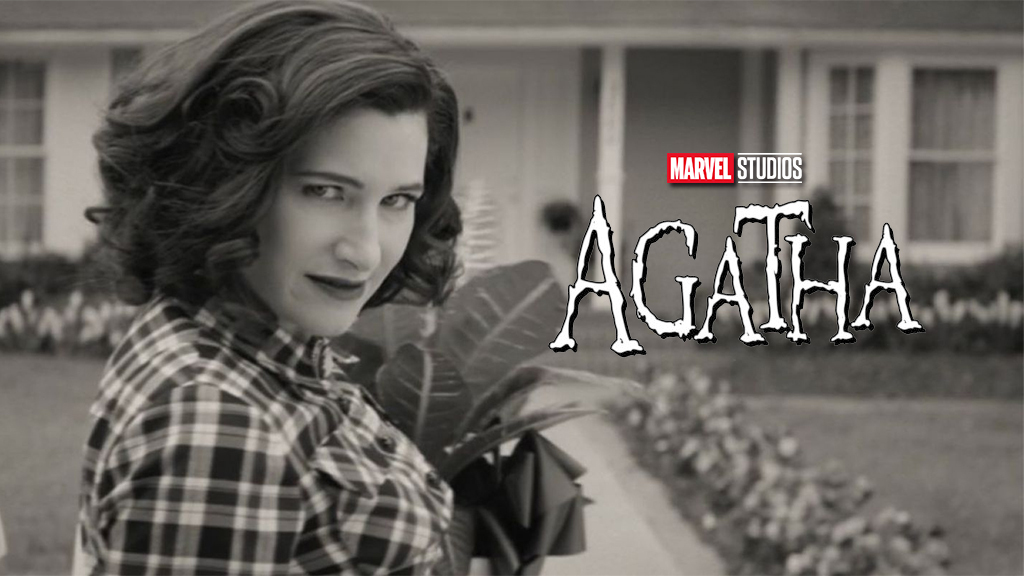
    Last month, paperwork was filed by Disney to create a new limited liability production entity titled “Oakhaven Productions LLC.” At the time of discovery, we at Murphy’s Multiverse were prettyy stumped about what potential production this might be but today’s announcement that Marvel Studios is developing an Agatha Harnkess-centric series around star Kathryn Hahn may not only have solved that problem, but also give some clues as to what the series might end up being about.

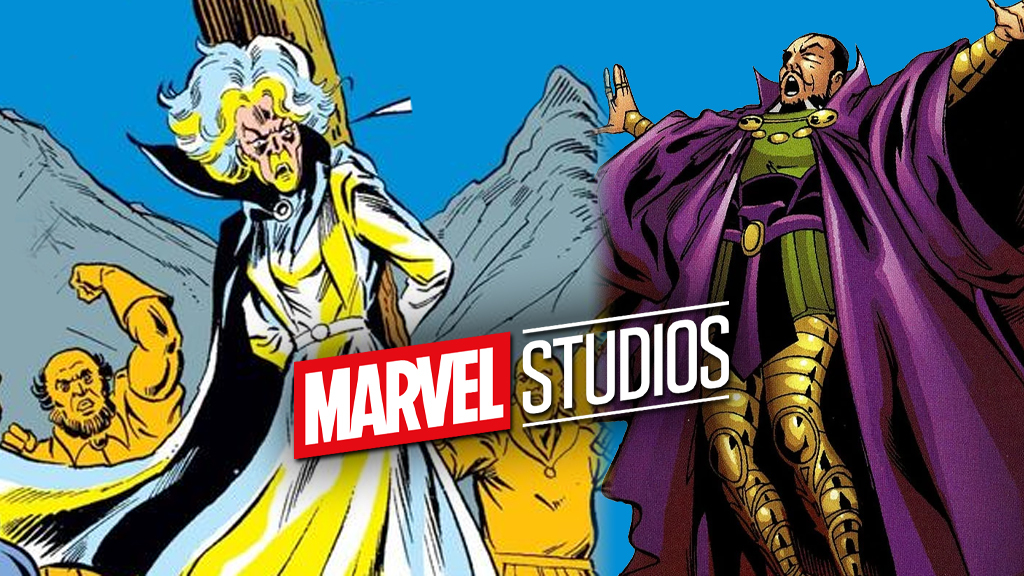
    At the time of discovery, our Google searches for Oakhaven produced little with any relevance to Marvel Studios, but did turn up what we thought was a funny coincidence: a Scooby-Doo reference. In 1998’s Scooby-Doo and the Witch’s Ghost, Scooby and the gang end up in the fictional town of Oakhaven, Massachusetts where all sorts of witch-related madness ensues. Oakhaven essentially serves as an analogue for Salem as Puritan-founded city where witches are persecuted. The dots aren’t too hard to connect here as Agatha Harnkness is not only a witch but one who, in the comics, was persecuted by Puritans in Salem before moving West and settling in the hidden Colorado town of New Salem.

    While the plot of the new Disney Plus series hasn’t been revealed at this point, we know that Agatha was persecuted by her own coven of witches in Salem in 1693. We don’t catch up with her again until 2023 (or so), meaning we have about 330 years of potential stories to be told about where Agatha has been since stripping the power from her coven in 1693 and showing up in Westview in 2023. We can glean from WandaVision that she’s been set up in New Jersey for a while, but it’s possible her own series could shed some light on other places she’s been, potentially opening up the door for New Salem, and its interesting residents, to make their way into the MCU.

    Foremost among those interesting residents is Agatha’s comic book son, Nicholas Scratch. Scratch was referenced as somewhat of an Easter egg in WandaVision, with Harnkness’ pet bunny sharing the name, but in the comics he was a powerful warlock in his own right who had less than a loving relationship with his mother. Marvel Studios has proven to love their family dramas and a mother-son drama might just be next on the list! With 330 years of time to fill, writer Jac Schaeffer could have a ton of fun introducing New Salem, Nicholas Scratch and some of its other colorful inhabitants while expanding on Agatha’s story and the mystical side of the MCU.

  • BREAKING: Agatha Harkness Series in Development at Marvel Studios

    BREAKING: Agatha Harkness Series in Development at Marvel Studios

    According to Variety, Marvel Studios is developing a Kathryn Hahn-led Agatha Harkness series for Disney Plus. Hahn starred alongside Elizabeth Olsen and and Paul Bettany in Marvel Studios first streaming series, WandaVision, and did so to rave reviews.

    According to the trade report, the series will be written by WandaVision head scribe Jac Schaeffer, who signed a big deal with the studio earlier this year. Hahn’s character, Agnes, was revealed late in WandaVision’s season to be Agatha Harkness, an old witch who has thrived by stealing power from other witches. When we last saw her, she seemed to have her memory wiped by Wanda but there was definitely a promise of more stories to come.

    Hahn received and Emmy nomination for her role in the series and the character has a loooooooong history in Marvel Comics, so it’s not at all surprising to see the studios continue working with the actress to further develop the character. Schaeffer, who will also serve as an executive producer on the series, could chose to explore the character’s rich history, expanding the mythology of witchcraft in the MCU and connect her character to the growing mystical/horror element in the MCU. Marvel Studios is known to have over a dozen projects in development at this point in time and now we know we can count this Agatha-centric series among them!

  • ‘Spider-Man’ Writer Zeb Wells Joins ‘She-Hulk’s Disney+ Series

    ‘Spider-Man’ Writer Zeb Wells Joins ‘She-Hulk’s Disney+ Series

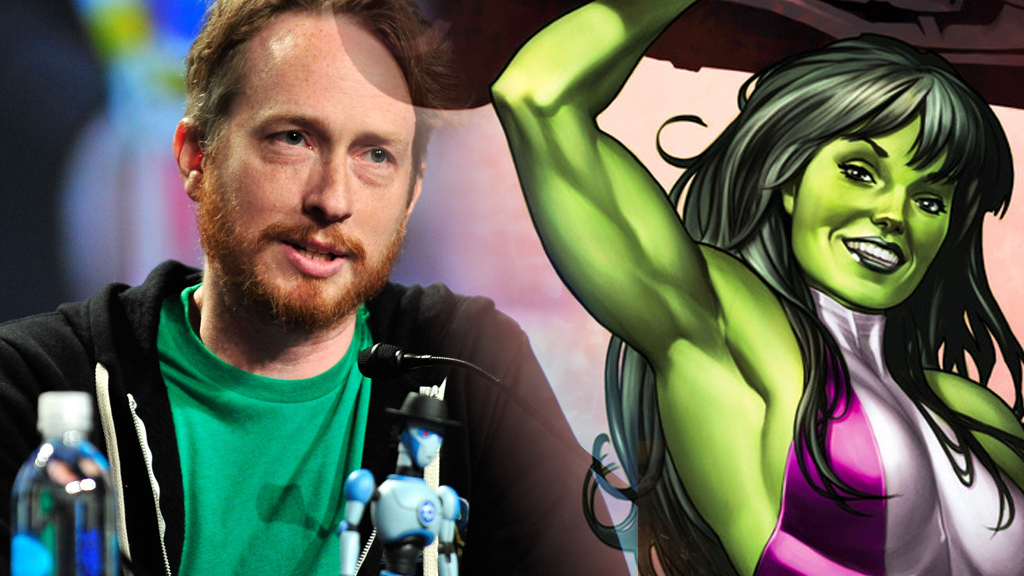
    It’s not uncommon for some information to somehow get missed. There’s a lot of information that finds its way online, but sometimes it’s hidden in the most surprising of places. It looks like Spider-Man writer Zeb Wells confirmed his involvement with the upcoming She-Hulk Disney+ series. The tidbit is hidden away in the editorial section of The Amazing Spider-Man (2018) #75.

    In it, he highlights that Wells, who has experience working in animation such as SuperMansion and Robot Chicken, is part of the writer’s room for the upcoming Disney+ series. It doesn’t highlight which role specifically he had, but his experience with parody series may have played a factor in how they approached She-Hulk‘s habits of breaking the fourth wall.

    Cody Ziglar’s participation here is Zeb’s fault. Cody and Zeb worked together in the writers’ room of the upcoming Marvel Studios Disney+ She-Hulk show, and Zeb told me Cody was the real deal.

    Avid fans have sharp eyes and always keep a lookout for any information on upcoming projects. It’s also curious they are able to discuss it freely without any prior announcements by Marvel directly. Perhaps they didn’t write episodes but acted as consultants on the project. It makes you wonder if other previous editorials included small teases of projects writers were involved with. Either way, it’s great to see Wells have a role in developing the Disney+ series. perhaps we’ll see more Marvel comic writers involved with these projects moving forward.

    Source: The Direct, Marvel

  • Chadwick Boseman Originally to Lead a T’Challa Star-Lord ‘What If…?’ Spinoff

    Chadwick Boseman Originally to Lead a T’Challa Star-Lord ‘What If…?’ Spinoff

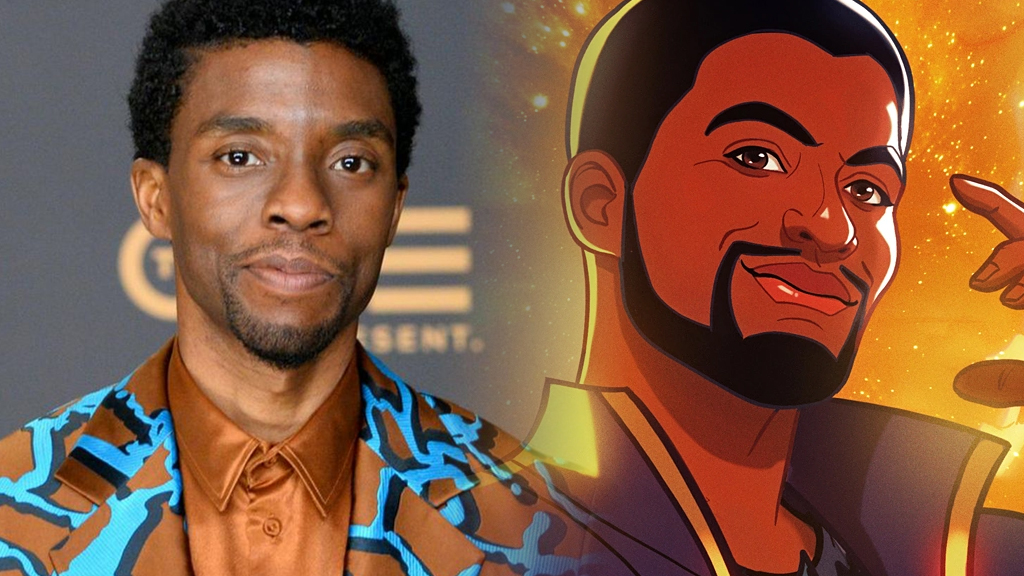
    What If…?‘s first season came to an end. The story explored alternate universes where our favorite heroes and friends took on very different roles. In it, we got introduced to a different version of T’Challa, who ended up taking on Star-Lord’s role in the galaxy. Chadwick Boseman gave his final performance in the series as the titular character, and it seems there were originally more plans to expand. Director Bryan Andrews discussed the original plans in an interview with Variety, where he confirms their original plans before his untimely death.

    I don’t know if he knew this, but there was planning to have Star Lord T’Challa spin off into his own show with that universe and that crew and that whole thing. We were all very excited. We know he would have loved it, too. And then, you know, he passed, and so all that’s in limbo. So, who knows? Maybe one day.

    Bryan Andrews

    Tragically, Boseman couldn’t build upon the ideas and concepts he helped develop in the Disney+ series. His spirit will live on in the franchise, especially with the upcoming Black Panther sequel. He also gave some touching speeches in What If..? that’ll surely stick with people for many years to come.

    There’s no word if they wanted to explore it as an animated feature, or even turn it into a live-action franchise. The fact they are open to exploring the multiverse as unique projects outside of this animated project also raise many possibilities. Perhaps our pitches for multiversal stories, like a No Way Home spinoff focusing on Raimi‘s version of Flash Thompson becoming Agent Venom.

    Source: Variety

  • ‘WHAT IF…?’ Needs To Stop Covering The Hits And Start Making Its Own

    ‘WHAT IF…?’ Needs To Stop Covering The Hits And Start Making Its Own

    Today saw the release of the season finale of Marvel Studios’ first animated venture, What If…?. Over the course of 9 episodes, the show did its damnedest to play with the framework offered by 20+ films in the canon and the premise of an anthological format. The result is an unexpected mixed bag of stories that felt way too familiar. For a show that was supposed to explore the endless outcomes of the multiverse, we sure as hell got some glaringly familiar outcomes.

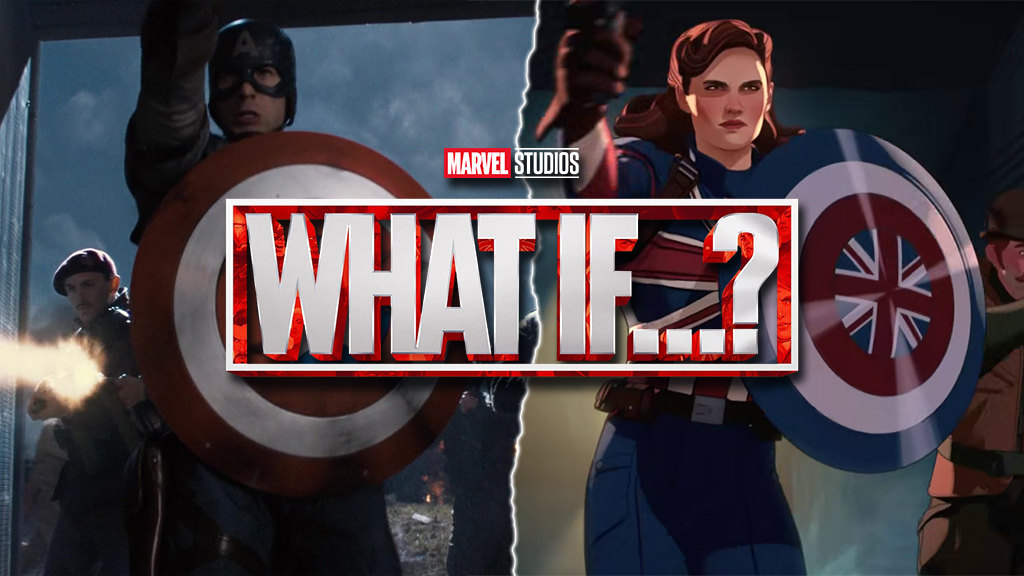
    For example, Captain Carter is transported to the present-day, in time for the opening events of The Avengers, at the end of the pilot episode. It’s a deviation you’d think would massively impact the fate of the MCU; if Peggy is around to fight Loki as soon as he arrives on Earth, the world would be forever changed. Yet when we catch up to where she is in this finale, she’s somehow on the same path as Sacred Timeline Steve; headed to the Lemurian Star in a stealth suit to stop Batroc from hijacking the ship. The ripple effect should be way more monumental than the HYDRA Stomper showing up at the end.

    Why is this the case when even the smallest of deviations can alter timelines in drastic ways?

    To ask why from a story POV would be to tear apart the seams of Captain Carter’s timeline, which no one has time for. But to ask from the vantage of the show and all its episodes makes the answer clear: the show is more concerned with honoring the MCU’s past than it is carving its own future, for better or worse. It cares about giving audiences to point fingers at like that DiCaprio meme. A lot of the creative decisions in this show end up feeling like mandates because of how restrictive it feels. Every episode has to be about an existing movie. All the players involved must be characters in the canon. Episodes must have familiar MCU scenes.

    That’s how you end up with a ludicrous subplot like using Arnim Zola, a primitive AI from the 1970s, to stop a superior technological cosmic being like Ultron. Why is that the solution in a multiverse of infinite possibilities? Why are they aping the notoriously dumb subplot of Independence Day? Why couldn’t it have been Kree or Skrull tech? Why didn’t the Watcher pluck out technology from another universe that would rival Ultron? It just had to be Zola because… reasons and to do something unfamiliar would be to go against the season’s grain.

    When I took the job, one of my rules was let’s be free. We’re in the multiverse — we should be as free as can be and go and run into the wild, into the stories the movies will never do, into the stories the TV shows will never do, and show both Disney and the fans all the possibilities of these characters.

    Head writer AC Bradley’s quote above feels naught given the outcome of the season. When every episode seems keen on covering the MCU’s greatest hits than making its own, it doesn’t feel exactly free. Sure, What If…? does take some interesting swings in imbuing genre tones into familiar episodes like turning Fury’s Big Week into a murder mystery or turning the first Doctor Strange movie into a tragic romance. But those tonal changes can only do so much when everything else plays out like movies fans have seen dozens of times.

    It’s why the Killmonger episode feels somewhat empty. It throws in a wrench in the form of Tony Stark surviving his kidnapping but never explores it. What happens to a world without Iron Man? What would happen if Killmonger became a force for good? The show never really asks itself that. Instead, the events of Iron Man pan out in the dullest way possible. The events of Black Panther happen anyway when Killmonger ends up taking over Wakanda. It’s as if they just wanted to cover Iron Man and Black Panther in an episode to fill a quota.

    It shouldn’t come as a surprise that my favorite episode of the season is the Star-Lord T’Challa one. Brushing aside that it’s a poignant piece of storytelling that beautifully sends off Chadwick Boseman as T’Challa into the aether, it’s the one that riffs the least on the MCU’s past. The episode feels fresh on a lot of levels and gives us macro ripple effects such as Thanos becoming a good guy and the universe becoming infinitely a better place. Sure, it recreates the iconic GOTG Morag scene but it’s an episode that lives and breathes on its own terms.

    Lucasfilm’s far superior anthology series, Star Wars: Visions, celebrates the essence of Star Wars not by redoing The Phantom Menace or The Last Jedi but by creating new tales that revered George Lucas‘ resonant vision of a galaxy far, far away. The end result is an amazing tapestry of wildly original Star Wars stories that fans are already demanding spin-off shows for. The people who made those shows respected the greatest hits of the Star Wars universe and, in turn, made their own.

    The first season of What If…? isn’t a bad one but it’s one that leaves a lot to be desired. That it’s Marvel Studios’ first animated anthological outing gives it somewhat of a pass but in order for the show to become greater in future seasons, it needs to start making its own hits instead of covering others.

  • Ranking Marvel Studios’ ‘What If…?’ Episodes

    Ranking Marvel Studios’ ‘What If…?’ Episodes

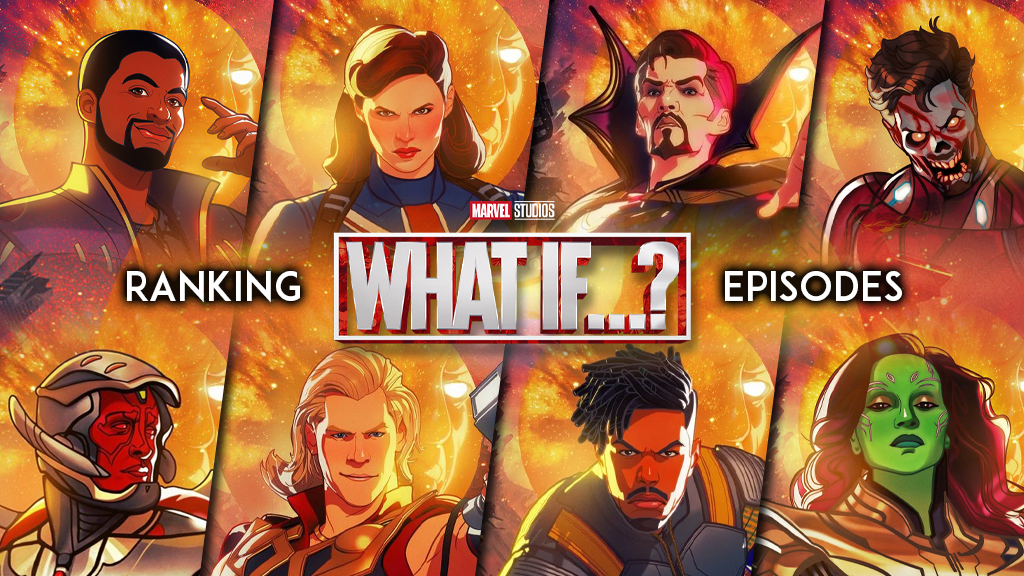
    With Season 1 of What If… ? in the rearview mirror, it’s clear that the series certainly proved that it had more up its sleeve and more to offer its own multiverse than it seemed to early on. Marvel Studios’ first animated and anthology series was an unlikely candidate to be the first to truly delve into the newly opened multiverse, but What If… ? was specifically engineered to do just that. The episodes are a mixed bag, both because the series intended for them to be and because some fell short while others exceeded expectations. With that in mind, we rank all 9 episodes of What If… ? below:


    9. What If… Captain Carter Were the First Avenger?

    At the end of the day, What If… ?’s leading episode is the plainest and least interesting of all. The premise was simply the whole plot of Captain America: The First Avenger, and virtually the only change was Peggy and Steve switching places, more or less. While arguably it was designed well to introduce viewers to the concept of the series, the story itself was bland and a three-minute version probably would have had the same effect overall. 


    8. What If… Killmonger Rescued Tony Stark?

    If Killmonger wasn’t such a great character and if Michael B. Jordan wasn’t Michael B. Jordan, this episode would have felt like a complete flop. Even though the premises are substantially altered, the episode somehow strongly embraces the restrictive concept of sticking closely to the Sacred Timeline source. In this case, it is both Iron Man and Black Panther, but it feels like the Captain Carter episode in terms of watching a condensed version of stories we already know. Killmonger’s deception and manipulation felt one-note pretty quickly, and the episode ends in a place that neither feels like a resolution nor a cliffhanger—it just sort of feels like it was cut off in the middle. 


    7. What If… the World Lost Its Mightiest Heroes?

    Nick Fury’s Big Week is where we first were introduced to the idea of What If… ? routinely killing off major characters in order to make things feel different and add some sort of stakes to the plots that are so easily cast-off as hypotheticals. The theme of this episode is that there is always hope, and there will always be heroes willing to rise to the occasion. Samuel L. Jackson’s Nick Fury gets a much-appreciated spotlight, but otherwise, the story plays out so flat that the death of five Avengers doesn’t come across as upsetting. The elements of a solid murder mystery are present, but it just doesn’t execute in terms of delivering something deeper than a surface-level concept.


    6. What If… Thor Were an Only Child?

    The Party Thor episode is a great example of an episode that everyone can both completely agree and disagree on. There is no doubt that this episode was fun with its countless easter eggs, seemingly infinite cameos, and silly let’s-have-a-good-time energy. Whether or not that makes for a satisfying episode up for debate. While there’s nothing particularly wrong with the episode, there’s nothing particularly worthwhile either. At the end of the day, it feels more like empty fan service than anything else. To be fair, that’s what a lot of people wanted from the series.


    5. What If… T’Challa Became a Star-Lord?

    T’Challa’s episode is genuinely delightful on multiple levels. There is a certain warmth that comes from Chadwick Boseman’s leading voice performance, and his own energy and presence matches well with the episode’s point that T’Challa would have made the universe a much better place than it is. This competes with the zombies episode for the funniest episode, but it is undeniably the most comforting heartwarming episode the series put out. Its themes of family and belonging hit the right notes, and something about T’Challa reconnecting with Wakanda just makes this episode feel fulfilling. 


    4. What If… the Watcher Broke His Oath?

    The finale did deliver a sense of resolution to the series and the Ultron arc that began last episode. While it was exciting to see pieces and characters of the multiverse come together in such a direct and desired way, the episode unfortunately felt shallow by completely ignoring the implications the series—and the multiverse as a whole—have on the main MCU timeline. The character team-up is gratifying, and the rag-tag group of multiversal heroes has a solid dynamic. There was a significant amount of humor that keeps the episode on a level apart from the previous episode, What If… Ultron Won?. Ultimately, while it is exciting, fast-paced, and delivered an epic showdown, the victory feels a bit cheap and the overall effect and punch of the episode did not quite meet its predecessor.


    3. What If… Zombies?!

    This episode was just great. We had a huge array of characters, and most of the ones that are not mindless zombies are characters often not given as much attention. Hudson Thanes’ Peter Parker was center stage and delivered on both humor and emotionality. So much of the episode, by nature, is violent and gruesome—it’s the closest thing the MCU has to horror at this point. Yet amongst the apocalyptic survival, the episode is also hilarious. As a result, it’s probably the most enjoyable to watch. It’s a great example of how the series can succeed by generally ignoring what the movies have done. 


    2. What If… Ultron Won?

    The penultimate episode finally gave us something that made it feel like What If… ? has a point and can provide the type of storytelling that fits within the MCU rather than just having one-off mini-stories over and over again. The concept of the multiverse actually comes into play here for the first time, and the Watcher comes alive. Ultron is portrayed as the most powerful villain of the MCU, and it fits. The Ultron versus Watcher showdown is not only great because of the strength of the two characters, but it is visually and conceptually stunning as they punch their way through the multiverse. It also features some very human moments, but the real triumph of this episode is that we finally have the multiverse as an overarching concept to play with. 


    1. What If… Doctor Strange Lost His Heart Instead of His Hands?

    The Doctor Strange episode was the first time the series felt like it had something particularly meaningful to offer. While still heavily anchored by the general events of Doctor Strange, it moves past this to intimately explore a dramatic reimagining of a character. The character-driven piece was shrouded by extremely compelling dark themes that are absent from the MCU at large. It was the definition of a tragedy drowning in grief, desperation, and defeat that resonated in the empty void that Doctor Strange left himself in at the end. Combine all of this with a mystical twist that Doctor Strange had been time-split in half, this episode was truly phenomenal. 

  • REVIEW: ‘What If… The Watcher Broke His Oath?’ – Episode 9

    REVIEW: ‘What If… The Watcher Broke His Oath?’ – Episode 9

    The finale of the experimental first season of What If… ? delivered a sense of resolution to the series and the Ultron arc that began last episode. While it was exciting to see pieces and characters of the multiverse come together in such a direct and desired way, the episode, unfortunately, felt shallow by completely ignoring the Sacred Timeline implications the series—and the multiverse as a whole—have on the main MCU timeline. 

    The collection of the Guardians of the Multiverse is obviously the stand-out aspect of the episode. While the episode title implies that the Watcher really gets involved, he actually just, essentially, forces certain hand-selected heroes to fight Ultron for him. It’s unclear where the battle-involved Watcher of the previous episode went, but it was a noticeable absence. 

    Included in the Guardians of the Multiverse, of course, are characters highlighted throughout the season. Captain Carter, Party Thor, Strange Supreme, Star-Lord T’Challa, and Killmonger all are selected by the Watcher. The newly-introduced Gamora, Destroyer of Thanos, is also part of the squad and lone survivor Natasha from Ultron’s original universe eventually joins the fight. Killmonger’s inclusion realistically makes little sense other than to set up a double-cross and make him a villain once more, which is exactly what happens.

    It is fair to say that Captain Carter was immensely more enjoyable in the finale than she was in the premiere episode. Whether it was her modernization into the Winter Soldier era or the watering down of the corny perfect soldier theme from her solo episode, she’s more down-to-Earth and more energizing and compelling as a character. Her return to future seasons of What If.. ? or live-action films feels more organic now. The episode also gives the character space to explore her relationship with her own Natasha and a set-up for her future stories via Steve’s return in the post-credits scene.

    Strange Supreme essentially felt like the Hulk of the team considering he was vastly more powerful than everyone around him.  He protected everyone from crazy-powerful Ultron while landing some of the biggest blows against the villain, including multiplying Mjolnir and going wild with that. He also purposefully turns himself into some of the monsters he consumed in his episode, which is in a move so unfamiliar with respect to our regular Doctor Strange. 

    Episode 8 Natasha also received special treatment from the episode and the Watcher specifically. In maybe his most uncharacteristic move of the series, he allows her to enter the universe where nearly all of the original Avengers were killed, rather than return to her own barren wasteland. 

    The episode was definitely one of the best—competing only with its immediate predecessor—when it comes to action, big superhero battle battles, having meaningful stakes, and embracing the full series. The Guardians of the Multiverse debut is a fun companion to Avengers: Infinity War or Endgame, and the Ultron battle is first-class. We even see the zombie universe pour in, with a brief dramatic zombie Scarlett Witch set-up for fight.

    The battle was massive, explosive, and probably worthy of a live-action battle—it certainly puts Avengers: Age of Ultron to shame there. It was exciting, and it definitely felt like this is what we’ve been waiting for from What If… ?. It almost felt like the excitement of Phase One where the various pieces are finally brought together for one epic story. All of this is great until Ultron is cheaply defeated by the unrealistic simple answer of an Arnim Zola virus corrupting the multiverse’s most powerful and intelligent being.

    This episode could have so benefitted so much from an extended runtime. There’s not too much of a problem with rushing through the character introductions—it’s not clear how much we would have gained from that—but the battle could have been much more exciting and entertaining if it wasn’t so condensed. The frantic pace is both a blessing to the episode by bestowing upon it a certain amount of intense energy, but it is also a curse in that it didn’t allow great moments to fully shine.

    The end of the series very much had a Nick Fury end-of-Avengers speech vibe. All of our heroes go back to their own lives, but there’s a strong sense that they will come back together when the multiverse needs them to. 

    The only major lingering situation is Strange Supreme having guardianship over the pocket dimension he created that trapped Zola Ultron and Killmonger in the midst of their fight over the infinity stones. While this also seems like a rushed and unearned resolution, the prospect of dark and internally-tortured Strange obsessing over this potentially catastrophic mini-universe while in his own void pocket dimension is intriguing. It leaves the door open for those two villains to return, though they aren’t that exciting compared to the Ultron we just lost. It also implies that Strange Supreme might have a continuing role and presence, and it could be deadly. He seems to possess a dry sense of humor and a more peaceful acquiescence of his situation than he did in his own episode, but there is still something menacing about how he looks at his pocket universe of power. 

    There is, honestly, a pretty solid amount of humor in this episode given the high stakes and dark intensity of the mission. Party Thor no doubt had a major hand in it, but quite frankly Strange Supreme in his dark broodiness deliverers well in this department too with some signature Strange dry humor. This aspect of the episode strongly distinguishes it in a positive way from the tone of the previous Ultron episode.

    Unfortunately, the episode fell short in terms of meeting expectations and hopes that the finale and the season would connect in some way at some point to the Sacred Timeline, or even provide greater answers to the multiverse conundrum. Knowing that Captain Carter is likely going to make a live-action debut in the future and that Spider-Man: No Way Home and Doctor Strange in the Multiverse of Madness are set to heavily feature the multiverse, it would have been awe-inspiring to see some of those connections teased. While the series was not necessarily created with the sole purpose to connect heavily to our familiar universe, it still would have made sense—and would have been extremely exciting—if something related to the Sacred Timeline made any appearance or was acknowledged at all. 

    So while ultimately the finale was rewarding in the sense that the character team-up felt long-awaited and tied the series together in a fairly smooth way, it was also disappointing that we did not get more of how this series will impact our main MCU. It really lost an opportunity for an explosive ending. Still, the Guardians of the Multiverse are the animated versions of strong competitors for best team-up, best battle, and best villain in the MCU at large. The episode was exciting and pulled together the entire season in a very satisfying way. We’ll see soon enough how Season 2 will build on what this first season has accomplished.
  • ‘What If… ?’ Season 2 Will Feature More Characters and Less Death

    ‘What If… ?’ Season 2 Will Feature More Characters and Less Death

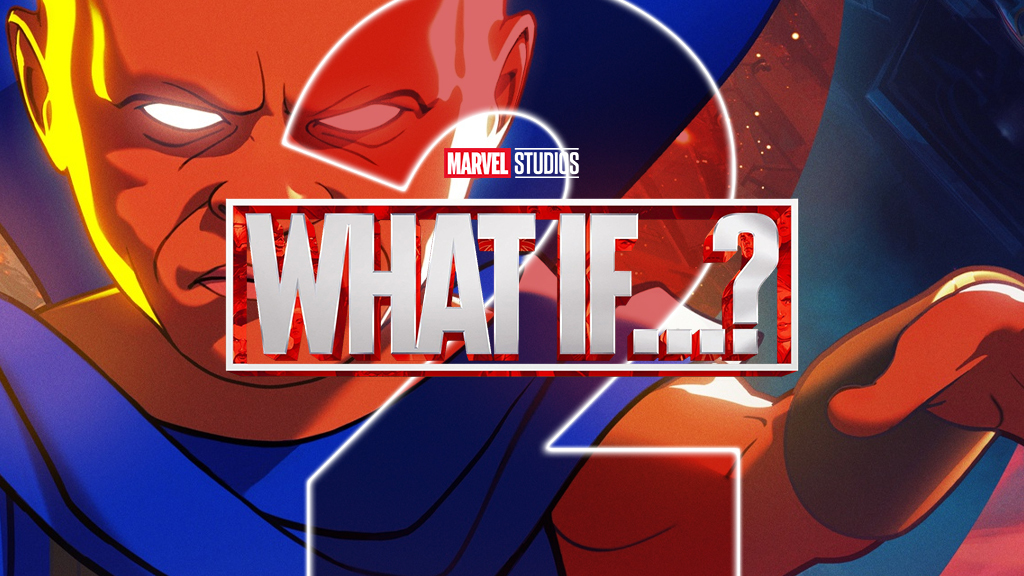
    While fans are awaiting tomorrow’s finale of What If?, head writer A.C. Bradley is already giving us a taste of what Season 2 of the animated series will be like and how it compares to Season 1. A second season of Marvel Studios’ multiverse anthology has been confirmed for some time and, according to Bradley, every episode of Season 2 has already been written. The writer indicated that the series will start to focus on new characters and will be able to pull ideas from Phase 4:

    Going into the second season, we’re sticking with anthology form, and it’s going to be all-new stories, lots of fun, new heroes, and pulling more from Phase Four than we were obviously able to this season…[t]he fun of What If…? is that we get to explore the entire infinite multiverse, so we try and bounce around as much as we can. I want to play with all these characters, and as much as I love Captain Carter, we’ve got to share the love. I’m very excited to show new worlds, new heroes.

    A.C. Bradley

    Interestingly, Bradley also hints that Season 2 may not be quite as dark as Season 1, or at least may not kill off characters as many times. She noted that while many of the first seasons episodes featured “big, let’s end the world, let’s kill everyone” arcs, but also says that next season is more character-driven. She hopes he series can show “a different side to [characters] that people don’t expect and hopefully they can relate to.”

    Bradley added that What If… ? is not “designed to set up Avengers 5,” and emphasized how she approached the series as an opportunity to focus on entertaining and exploring what MCU heroes mean to us:

    When I took the job, one of my rules was let’s be free. We’re in the multiverse — we should be as free as can be and go and run into the wild, into the stories the movies will never do, into the stories the TV shows will never do, and show both Disney and the fans all the possibilities of these characters.

    A.C. Bradley

    Bradley’s comments about What If… ? utilizing its creative freedom definitely echo some of fans’ desires for the show that weren’t necessarily met in Season 1. Either way, it looks like Season 2 could be significantly different in tone and potentially explore far more possibilities of the multiverse than the MCU has so far.

  • ‘What If…?’ Creative Team Promise Craziness and Resolution in Season One Finale

    ‘What If…?’ Creative Team Promise Craziness and Resolution in Season One Finale

    Marvel Studios first foray into canonical animation will come to a conclusion tomorrow when the finale of Season 1 of What If…? goes live on Disney Plus. Production on Season 2 began before Season 1 aired, so fans have always known there’d be more animated adventures, something that was reiterated recently by Executive Producer Brad Winderbaum, and it’s also been made clear that Captain Carter will be returning for Season 2 and beyond. What’s been less clear is whether or not we should expect Season 1 to end on a cliffhanger or if the season’s recently revealed big bad, Infinite Ultron, will be defeated. In an interview with EW, the series’ creators, director Bryan Andrews and head writer AC Bradley, answered that question…sort of.

    It goes places you don’t expect. I know people are starting to get a sensation that things are building to something — and they are. And craziness ensues,” said Andrews of the finale. The director and longtime storyboard artist for the studio addes, “There’s a degree of resolution where it feels like all the stuff that’s been percolating across the episodes, the adventure that we bring you into for the ending, ends, to a certain degree.

    Bradley, who also served as a consulting producer on Marvel Studios Ms. Marvel, reveals that part of that resolution will involve revisiting several characters met earlier in the season who will come together to take on Ultron whose newfound awareness makes him a threat to every reality.

    We will pop into and re-meet some of our heroes from the previous episodes, including the lovely Captain Carter [Hayley Atwell], Strange Supreme, Party Thor [Chris Hemsworth], and even Killmonger [Michael B. Jordan]. Early on in the first season, like day one talking about it, there was this notion of we’re creating all these great heroes, but we only get to sit with them for 20 or 30 minutes. Wouldn’t it be great to see them again in the finale? And then once that decision was made, it liberated me to make the endings a little bit darker and bigger, knowing that we can give some sort of resolution in the finale.

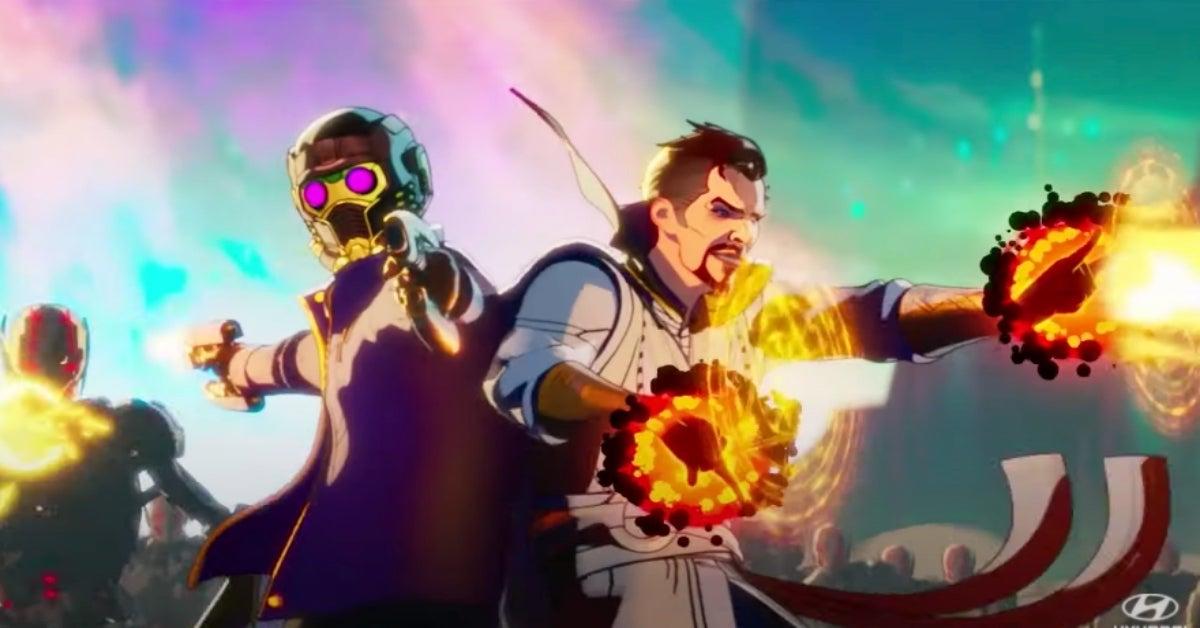
    As expected, the season finale will see the Watcher break his vow to never interfere and assemble a team that has been marketed as The Guardians of the Multiverse. We already saw the beginnings of this last week when Uatu visited with Doctor Strange Supreme and can expect it to be further explored in the opening moments of Episode 9.

    And while we can expect a resolution to the Ultron situation, Andrews makes it clear that there are more stories to be told in each of the individual realities from which these disparate characters will be drawn:

    All these universes, when we’re done with our episode, those universes continue. It’s an ongoing cinematic universe; there is stuff that happens yet to come that maybe we will see and maybe we will not see. But we don’t necessarily want to have it all tied up in a perfect bow. There is a level of buttoning up with a certain degree of things that we get into with a certain storyline.

    That sounds like a pretty perfect way to give a satisfying end to the current arc while leaving enough room to allow the characters we’ve already seen be available for future stories whether those be further animated adventures or live-action appearances.

    Episode 9 of What If…?, “What If…The Watcher Broke His Vow”, streams tomorrow on Disney Plus.

    Source: EW

  • How the MCU Is Using the Multiverse To Explore Themes

    How the MCU Is Using the Multiverse To Explore Themes

    The multiverse is an unwieldy storytelling device with potential positive and negative impacts. For example, meeting alternate variations of favorite characters has the potential to undermine earlier stories. However, it could also potentially provide emotional flourish to stories that haven’t been possible previously. Some fans of the Marvel Cinematic Universe’s consistency are concerned about how the multiverse could fray the cohesion of the MCU. The multiversal elements of Loki and What If…? have shown us hints of how the multiverse stories we might be seeing in Spider-Man: No Way Home and Doctor Strange in the Multiverse of Madness can be kept tight and concise.

    Loki’s head writer Michael Waldron and director Kate Herron have both spoken in multiple interviews about the themes of their series. Loki spends much of the season up against the bureaucratic order of the TVA. He also finds himself grappling with his identity in the face of Loki variants from alternative universes. Order versus chaos. Self versus selves. The structure of these debates brought up in the show also show another theme Waldron and Herron have spoken about, in the gray space between villainy and heroism. It’s clear that these themes are present even without confirmation from interviews because of how tightly woven into the narrative action they are. 

    On the surface, an anthology show like What If…? shouldn’t necessarily have a narrative or thematic coherence between episodes. Yet we have seen enough to know we are getting a conclusion to some of the previous episodes in the finale. In this context, should there be a thematic reverberation between the heroes of each episode? It’s not easy to point one out. Loki’s themes are much tighter as almost every scene has a thematic resonance. An anthology show doesn’t need coherent themes but where there is a continuing story, What If…? is perhaps missing something thematic to bring the season together. 

    So perhaps if Spider-Man: No Way Home can use the multiverse to weave themes tightly, it can produce an impactful story regardless of multiversal incursions. Much of the trailer is connected to Spidey’s identity as Peter Parker. The public release of that information and Peter’s going to Doctor Strange to have it erased from public consciousness. It’s clear that they “tampered with the stability of [the] space-time” continuum when performing the spell. The full impact remains to be seen but it is easy to see how themes of identity, responsibility, and fate can be tied to this spell gone wrong and possible multiversal variants. It remains to be seen how tightly woven those themes might be into the story. 

    wandavision doctor strange

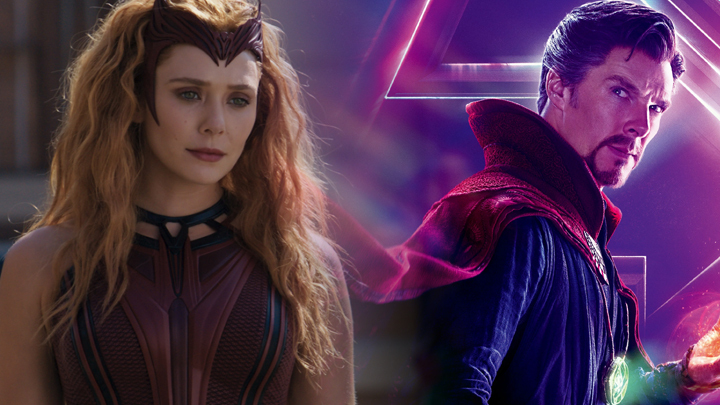
    So can we spot the themes for  Doctor Strange in the Multiverse of Madness as clearly and easily? Given Wanda Maximoff was last seen studying The Darkhold, also known as The Book of the Damned, it stands that she might face some corrupting forces. To some extent, this is a theme that can be extended from Doctor Strange as Kaecilius became corrupted by Dormammu. Corruption, alongside the fraying of the multiverse which Strange admits he knows “frighteningly little” in the No Way Home trailer, can also point in the direction of balance as a theme. How will Strange weigh up the dilemmas of the incursive multiverse? In a meta-sense, if the film can get that thematic balance right, then the rumoured cameos won’t seem as uncoordinated as some fans fear they might be. 

    jonathan majors kang

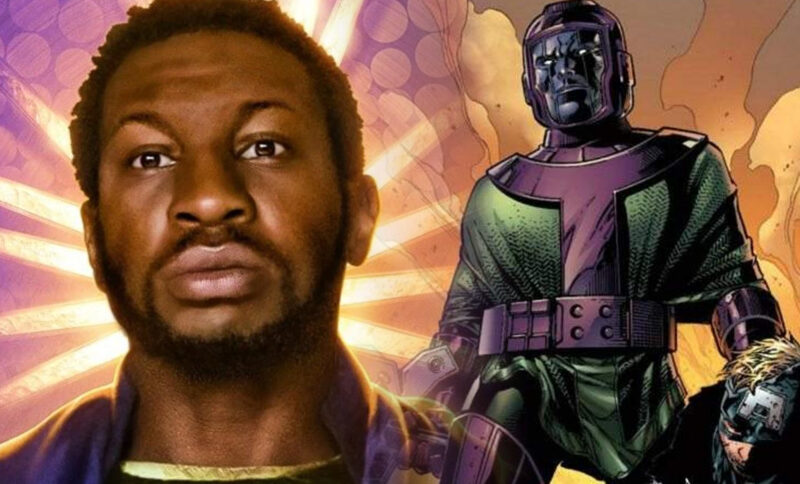
    Parenthood and family are themes that  Ant-Man and the Wasp: Quantumania could manifest. With Kathryn Newton taking on the role as Cassie Lang it seems as though she might play more of a role with the heroes, with Scott, Hope, Janet, and Hank having to figure out parental decisions related to that. It’s not immediately obvious how Jonathan Majors’ Kang will connect to that, though being a citizen of the future, it’s possible an ancestor of his might be involved in the story. How they will connect the multiversal elements to the existing Ant-Man themes will be the test for how tight of a story we’ll be getting. 

    Beyond the second seasons of Loki and What If…? there are no major clues about what other Marvel Studios projects the multiverse incur upon. It will be interesting to see whether Loki can keep up its thematic resonance during its sophomore season. Similarly What If…? could either fully embrace the anthology format or increase the thematic and narrative continuity between the episodes. The multiverse certainly won’t be vanishing so other characters like Doctor Strange, Wanda Maximoff, and Ant-Man might still have to contend with it. Wherever it does emerge though, using the multiverse concisely and closely connected to the themes of the project seems like it will be a successful approach.

    Sources: ETOnline, Grazia.