Tag: Movie Features

  • Taking a Look Back at How ‘The Batman’ Reinvented The Riddler

    Taking a Look Back at How ‘The Batman’ Reinvented The Riddler

    Batman has possibly one of the best rogues galleries in comic book history, featuring characters like the Joker, Poison Ivy, Penguin, Scarecrow, Mr. Freeze, Bane, and, of course, the Riddler. Many of these villains have been adapted to live-action, and some even got the special treatment on multiple occasions; especially the Joker. There often has been a criticism that the redundancy is dragging down the potential of

    Matt Reeves may have taken that to heart when he began developing his take on the Batman mythos. Riddler is a character that has seen a few adaptions, which include the 1966 Batman series with Frank Gorshin, Batman Forever with Jim Carrey, and Gotham with Cory Michael Smith. The Batman, however, features a Riddler that is a vast departure from those who came before with Paul Dano playing a sadistic and ominous version that at times felt like he was an actor on a horror movie who showed up on the wrong set.

    One of the very first things you learn to understand about this Riddler is the horror film angle of the reinvention. We first see the character when the light from the television illuminates the figure in the shadows, reminiscent of Michael Meyers from the Halloween franchise. After that Riddler devolves into a Saw-inspired agent of chaos, who uses intricate devices like a rat maze mask and a bomb collar to torture his victims.

    The most notable inspiration here is that this Riddler seems to be inspired by the Zodiac Killer, the notorious serial killer that terrorized the United States in the late 60s. He is sporting an extreme cold weather mask as well as a German military parka with simple question mark symbols painted onto it. At the scenes of his crimes leaving behind ciphers for the police and Batman to communicate with them. Along with the greeting cards left behind, the real-life Zodiac was known to have done something similar with ciphers that were sent to the press so they’d print his messages for the country to read.

    This Riddler believes in Batman’s crusade of vengeance and is, ironically, inspired by him. Riddler doesn’t see him and Batman as foes, he sees them as partners. They are two sides of the same coin that Batman doesn’t realize until it’s too late. He thinks he’s doing the hard part of the job, the line Batman won’t cross to truly cleanse the city of its corruption and bring vengeance onto those who’d taken part in the city’s criminal underworld. The little cards left behind at the scenes of the riddled murder were not meant to be hints, but progress updates that Edward Nashton leaves behind so that he can fill Batman in on how the plan is going. Riddler believes this Batman would be able to catch on quicker and be safe within Arkham as the city is cleansed of its sins.

  • Deadpool Should Be the MCU’s LGBTQ+ Icon

    Deadpool Should Be the MCU’s LGBTQ+ Icon

    Pride Month is in full swing, meaning people, organizations, and even companies are celebrating or showing support for LGBTQ+ persons across the globe. Marvel is certainly one of those companies, and the brand is eager to highlight its queer representation in its properties. Previously, we have taken a look back at one of Marvel Comics’ milestones. And while the comics certainly have more history to draw from, the Marvel Cinematic Universe notably lags in LGBTQ+ representation across its franchise.

    The MCU is absolutely gaining momentum here, with recent additions such as Phastos in Eternals and America Chavez in Doctor: Strange in the Multiverse of Madness. The franchise even promises more inclusion in the near future with characters like Valkyrie in Thor: Love and Thunder. As with any underrepresented group, there is always pushback from an unfortunate corner of the supposed fandom when any major (or minor) character is explicitly queer.

    While we can celebrate the progress the MCU has made and is continuing to make, there is room for the Disney-owned company to make a significant and bold statement in support of LGBTQ+ representation on screen. The MCU needs a strong queer icon, and there is no better choice than the Merc with a Mouth himself. Below are four major reasons why Deadpool should be MCU’s LGBTQ+ icon.

    Deadpool Has Long Been Established as LGBTQ+

    Important to any conversation about queer representation is an understanding of the character themselves. In Deadpool’s case, there is no question that Wade Wilson is an out member of the LGBTQ+ community. The comics antihero was first confirmed as pansexual by writer Gerry Duggan, though the terminology to describe Deadpool’s sexuality has fittingly been in flux—the character’s co-creator Fabian Nicieza emphasized this back in 2015.

    Deadpool has become well-known as a pansexual symbol for many, including Fox-universe Deadpool director Tim Miller, who previously expressed his support for showcasing Deadpool’s sexuality in the movie franchise. While the character clearly has a female love interest in the live-action franchise, any viewer simply has to pay attention to Deadpool and Deadpool 2’s dialogue to know that the character’s interests go beyond the opposite sex.

    In any event, the fact that Deadpool is already a well-known queer character in the comics and has the support of many of the films’ creators, including actor Ryan Reynolds (see below), to bring that aspect of the hero into live-action is a perfect starting point for the character to further embrace that when he makes his MCU debut.

    Deadpool Is High-Profile

    When any franchise begins to embrace and increase diversity among its characters, those characters tend to often get assigned more minor roles. It does not take rocket science to understand why, but it is another reason why the MCU should wholeheartedly embrace Deadpool as LGBTQ+. Of course, the more prominent a queer character is, the more backlash they will receive. But frankly, Deadpool is already beloved across wide demographics. While he has not made his MCU debut yet, the character is established in the greater Marvel film universe, so opinions of the super-powered mercenary have already been formed. If Deadpool were to act as one of the leading LGBTQ+ characters of the MCU, it would give the character a huge platform for representation that other characters simply do not have yet.

    Deadpool’s Fan Base Spans a Wide Demographic

    It goes without saying that LGBTQ+ people—and fictional characters by extension—are subject to a wide range of stereotypes and discrimination based solely on their sexual orientation or gender identity. Certain segments of the population, including MCU fans, support queer inclusion less than others. When new LGBTQ+ characters are introduced, it is quite easy for those people to immediately be hostile toward the idea that a single character in a movie may make them uncomfortable. For example, both Phastos and America Chavez were queer characters of color, which led to hatred and accusations of “wokeness” long before their respective films were ever released.

    Make no mistake, all LGBTQ+ characters—including women, trans, and those of color—should be fully supported by the MCU, Disney, and the vast majority of fans who have no issue with characters reflecting the real world. But in an age where the ignorant backlash is so common, Deadpool is a character that, for several reasons, has the advantage to cut through much of that in the MCU. That can be a win for the character, but it should be recognized that it could help pave the way for other queer characters.

    Deadpool is well known for being vulgar and hyperviolent among plenty of other traits. He is loved for his mature themes as well as his basic charisma and humor. The character is a hit across nearly all adult and teen demographics, and that includes demographics that may otherwise not be so supportive of LGBTQ+ representation. If the MCU’s Deadpool 3, for example, made the hero’s sexuality explicit and left no room for audiences to argue whether or not he is queer, Deadpool then becomes a symbol or icon for LGBTQ+ people across the board. In addition, it may force certain groups of people to question their assumptions and biases if one of their favorite characters also happens to not be straight.

    Deadpool’s LGBTQ+ Identity Has Ryan Reynolds’ Support

    There is no dancing around the fact that actor Ryan Reynolds, the epitome of Deadpool, is well-loved and respected in the entertainment community generally as well as for his embodiment of Wade Wilson. Reynolds has several times made it clear that he would love for the Deadpool franchise to explore Deadpool’s pansexuality, and very much wants Marvel to let the character be explicitly queer in the future. Deadpool 3 will actually be Marvel Studios’ first non-Spider-Man co-production, with Reynolds’ Maximum Effort Productions also in the producer’s role. While Reynolds will not have unilateral control over the character’s future, he undoubtedly has a lot. With the support of someone as powerful as the actor/producer/businessman is, though, the amount to which MCU could push the envelope with Deadpool’s LGBTQ+ identity could be significantly increased.

    In conclusion, no one character is the perfect icon for an entire group, including the LGBTQ+ community, nor should they be. Queer MCU fans, and queer people in general, deserve to have major franchises better represent them and better represent reality. If the MCU were to fully embrace Deadpool’s LGBTQ+ identity, whether it is explicitly pansexual or described/defined in some other way, it could be one of the strongest moves Marvel Studios could make in terms of supporting the diversity of their characters and audiences.

    The character is already well-known to be queer; the Deadpool franchise creators, producers, and actors strongly support the move; and the character’s more formal cinematic coming out would have a ripple effect through numerous groups and demographics that would almost certainly strengthen the general MCU fanbase’s support, acceptance, and love for LGBTQ+ characters.

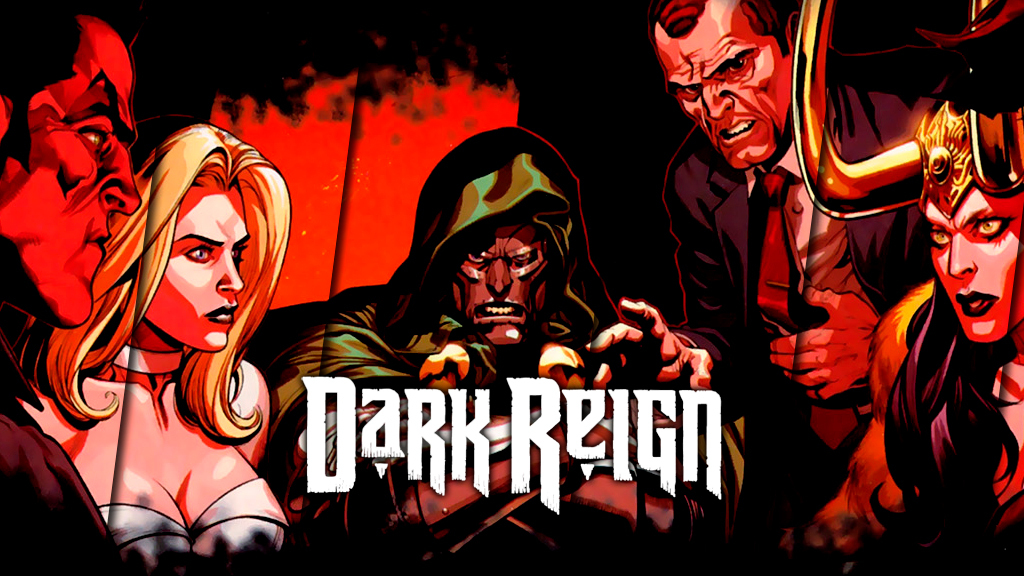
  • How ‘Thunderbolts’ Could Setup MCU’s ‘Dark Reign’

    How ‘Thunderbolts’ Could Setup MCU’s ‘Dark Reign’

    With the official announcement of a Thunderbolts film in the upcoming film slate of Marvel Studios, many have begun to theorize how both the film and the team will fit into the developing landscape of the Marvel Cinematic Universe. Though after some time reflecting on the news, it seems possible that Thunderbolts will not simply just “fit into” the landscape of the MCU, but rather become a critical lynchpin for the narrative direction of many franchises within the shared universe.

    From my perspective, Thunderbolts will be the coup de grace in ushering in an interpretation of the comic-inspired Dark Reign storyline to the film version of Earth-616. In this piece, I will be mapping out the road that hypothetically leads to the formation of this massive status quo change, how the team can function in the midst, and the catalyst of their downfall.

    Origins

    This part of the MCU storyline is the easiest to trace as it has already begun. Julia Louis-Dreyfus’ Valentina Allegra de Fontaine has very much been positioned to become the figurehead of this new arc. This is especially the case with the passing of Thaddeus Ross’ actor William Hurt and the impossibility to have Norman Osborn exist outside the Spider-Man bubble of the MCU. As seen in Black Widow and The Falcon and The Winter Soldier, Val is in the midst of forming partnerships with characters that have morally gray allegiances in Yelena Belova, John Walker, and (potentially) Helmut Zemo. Logic greatly dictates that these are the first steps towards the formation of the Thunderbolts team, and is seemingly all but confirmed with the film announcement earlier this week. 

    Audiences should absolutely expect to see Louis-Dreyfus back in the numerous Marvel Studios projects throughout 2022. Ms. Marvel, Black Panther: Wakanda Forever, and especially She-Hulk (a superhero legal-based series that is bound to have ample amounts of morally gray characters) feel like natural points for where Val could show up next. One specific concept in my mind is Julia Louis-Dreyfus making a surprise appearance in a Thor: Love and Thunder post-credit scene to recruit a scorned Ares after the decimation of Olympus at the hands of Christian Bale’s Gorr the God Butcher. While Val can certainly be involved in recruiting more characters beyond 2022, there needs to be a turning point for this storyline at some point and there is a natural point at which this can occur.

    The Catalyst

    The MCU has often made major alterations to their interpretations of comic storylines but ultimately kept similar ramifications to the future of their stories. With that in mind, Marvel Studios has the perfect opportunity to use the upcoming Secret Invasion as a means to launch their version of a Dark Reign like the comics. No matter what direction Marvel takes with this series, it would be a logical decision for it to end with Val and her fully actualized team of “approved” heroes taking the place of Norman Osborn in the comics and being the ones who very publicly eradicate the threat of Skrulls.

    This event can serve a two-fold purpose for the immediate future of the MCU. Firstly, Secret Invasion could very well be seen as the last straw for the world as its citizens have had to deal with growing dangerous threats to their lives since “The Blip” and have officially turned on the superheroes that have saved them many times before on a large-scale level. Secondly, people within positions of power would only trust and allow the government-sanctioned Thunderbolts team to regulate the issues that arise on Earth.

    The Dark Reign

    And from there, the MCU version of the Dark Reign can commence and could play a major role in a large swath of future projects. The Thunderbolts team can and should be present in different forms in essentially any project-based predominantly on Earth. For instance, the Thunderbolts should be the main opposition for the Hulk(s) on Earth within the World War Hulk film rumored to be in development (assuming it takes those cues from the comic event).

    As well, they should serve as a foil for whatever political espionage mission Anthony Mackie’s upcoming Captain America film. Essentially, the new status quo for pure heroes post-Secret Invasion should be dealing with their ostracization from societal acceptance and working towards proving the trust they should deserve from the general public. 

    Another angle I would further develop in this Dark Reign is the bureaucratic mission to prevent young heroes from becoming active in the world as has been developed in the likes Spider-Man: No Way Home and Ms. Marvel. This would set the stage for the Young Avengers to form as a counter-response towards the world generally losing faith in the Avengers team that has been instrumental in saving the world numerous times.

    Meanwhile, the Thunderbolts film can serve as an exploration of the core team of reformed villains as they deal with the very public spotlight attached to them and how they react to it. Some fully buy into the Kool-Aid of their role as heroes, while others grow skeptical that what they’re doing is actually the “right thing”. There is certainly lots of room to play with this type of social commentary through the lens of bombastic superhero action within the MCU, both in the film itself and in the duration of this phase of the MCU.

    Endtimes

    However, this storyline won’t last forever as the status quo and much like the comics, a new Heroic Age can rise in its aftermath. In terms of how Marvel Studios should sunset Dark Reign, I would use the formation of a new official Avengers team and film (not to be confused with the Young Avengers) as the means to end this phase. Specifically, the Siege comic storyline should be adapted with Val completely breaking bad and using her influence and team to begin an attempted conquest of places that serve as “threats” to the safety of the rest of the world (i.e. New Asgard, Wakanda, and Ta Lo).

    At this point, the world needs the Avengers and their reuniting with a fresh line-up could serve as a massive event that would be satisfying both emotionally and commercially. From there, the stage can be set with an Avengers team leading the charge in whatever the endgame of the multiverse saga will be within the Marvel Cinematic Universe. As well, the Thunderbolts team could still exist within the framework of the MCU as a place for villains and anti-heroes looking to reform their image, but this time without the baggage of being a front for Valentina’s nefarious scheme.

    In addition, the idea of a prejudiced world against super-powered individuals can still ruminate beyond the end of Dark Reign and into the introduction of mutants in the not-too-distant future. Ultimately though, no matter what specific direction they take when it comes to Thunderbolts and its surrounding future projects, the stage is set for Marvel Studios to transition its universe into a new long-term dynamic that can be as defining as the Infinity Saga.

  • The History and Future of The Thunderbolts

    The History and Future of The Thunderbolts

    Justice like lightning is coming to the Marvel Cinematic Universe. Having been set up for years and rumored for even longer, a Thunderbolts film has been given the green light, with Jake Schreier directing from a script by Black Widow writer Eric Pearson. Thunderbolts will certainly be an ambitious team-up film, with (apparently) Julia Louis-Dreyfus‘ Val bringing together a group of disparate characters who she’s been collecting over the years.

    As with all things MCU, the project won’t be a straight adaptation of any certain storyline, but will more likely focus on the dynamic of forging a team made of people of questionable character. In the comics, the roster of the Thunderbolts has frequently rotated members in and out and been remade multiple times. Many of the characters who might be thought of as “core” members don’t even exist in the MCU at this time. But to get a handle on what the team might get up to, regardless of who is on it.

    Origins

    The Thunderbolts first appeared in 1996 in Peter David’s Incredible Hulk #449, though the team was created by legendary writer Kurt Busiek. Marvel Comics launched the first volume of Thunderbolts a few months later in early 1997, with Busiek writing. Busiek pitched the Thunderbolts to Marvel Comics following the line-wide Onslaught event that saw the “death” of nearly all of Marvel’s heroes. In the absence of those heroes, Busiek envisioned a team stepping into fill the void, but with one twist: the team is actually the Masters of Evil, led by Baron Zemo, in disguise.

    https://twitter.com/KurtBusiek/status/1000128046903406592

    The original lineup consisted of Atlas (Erik Josten), Citizen V (Zemo), Mach-1 (Abner Jenkins), Meteorite (Karla Sofen), Songbird (Melissa Gold) and Techno (Norbert Ebersol). Contrary to a popular misconception, the original team had no association with General Thaddeus “Thunderbolt” Ross, but rather was named by Zemo who found the moniker “crypto-fascist but friendly”, though the in-continuity public was told the name was inspired by a couple of lines from a poem by 17th-century writer Thomas Randolph:

    “Justice, like lightning ever should appear / To few men ruin, but to all men fear.”

    Ironically, Busiek lifted the lines from an earlier issue of Captain Marvel and it turns out it’s not exactly clear if they were written by Randolph or not; however, “Justice like lightning” became the team’s slogan and has stuck with most iterations of the team over the last 20+ years.

    Thunderbolts Annual (1997) #1

    Evolutions

    As you might imagine, Zemo’s ruse was exposed and the team became fugitives, went on the run and eventually ended up in Colorado, a place that would go on to become well-associated with the team a decade later when they set their base on Thunderbolts Mountain near Coyote Springs. Of course, the team that occupied that base was a much different one from “the original.

    As Zemo’s team was on the run, a few new members joined the roster, including former Avenger Hawkeye. This group, known as Marvel’s Most Wanted, was convinced by Hawkeye that they’d be pardoned for their crimes if they turned themselves in. Unfortunately for them, that didn’t work out and many of them found themselves imprisoned for their past crimes. Eventually, however, many members of the team did reform and went on to perform some truly heroic deeds, including Zemo saving Captain America.

    Many iterations of the team came and went over the years (most including Zemo), but the Thunderbolts regained popularity when Warren Ellis took over the book and introduced a new team under the control of Norman Osborn. The team of villains was ultimately viewed as heroes after the events of Secret Invasion. Ellis’ run was short-lived and, eventually after several writers moved on and off the book, Jeff Parker took over that title and the team became the Dark Avengers. Following the Siege event, Luke Cage was appointed leader of the T-Bolts by Captain America; during the Marvel NOW! line-wide relaunch, General Thunderbolt Ross, who was then the Red Hulk, assembled a new team; Bucky Barnes, the Punisher and, most recently, the Kingpin, also assembled their own Thunderbolts teams.

    While the names changed, most of the teams had one thing in common over the years: they consisted of a group of villains out to “do some good” while being “handled” by a hero or two. In that regard, they could be compared to DC’s The Suicide Squad, but it would be an oversimplification to conflate the two teams.

    The MCU

    With so many of the major players associated with the Thunderbolts over the years not present in the MCU, it should be obvious that the team fans get won’t be lifted off the page. What does seem possible, maybe even probable, however, is that the team being assembled in the MCU under the control of Val, might find itself in the midst of some sort of line-wide MCU event and have to step in to deliver justice like lightning and save the day, even if they are morally questionable.

    It’s also very likely that the name of the team is an homage to Secretary of State Thaddeus Ross, played by the late William Hurt. It’s hard to imagine the MCU recasting Hurt, who passed away in March of 2022. Rather, it seems likely that they’ll write Ross’s death into an upcoming project and the team will be named in honor of a man who fought like hell to see heroes under the control of the government. So who is Val ultimately working with? And who else will join the team? Phase 4 has a lot to do to answer those questions.

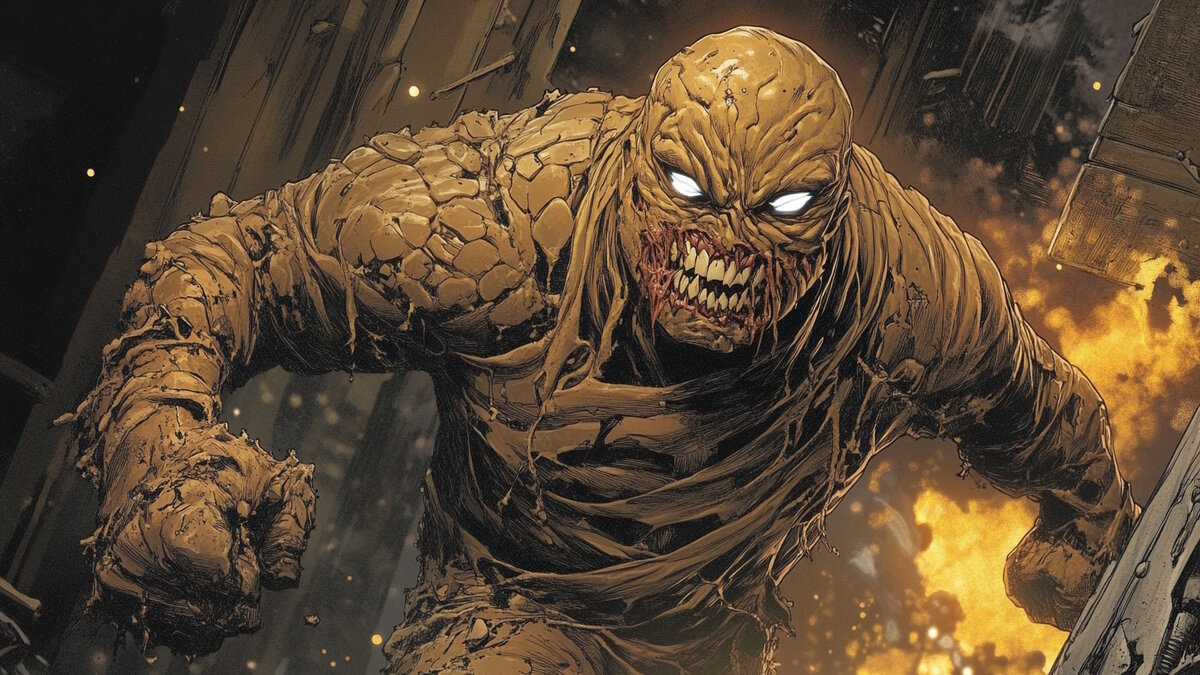
  • Clayface

    Clayface

    Premiere: September 11, 2026

    Based on a script from modern horror meister Mike Flanagan, DC Studios’ Clayface will feature the classic Batman villain in his own solo film. The creator behind Netflix’s horror series The Haunting of Hill House and its subsequent follow-ups, Flanagan reportedly pitched a Clayface solo film to DC Studios co-chair James Gunn in 2023. In December 2024, Gunn officially announced the film and slated it for a September 11, 2026 premiere date.

    Cast

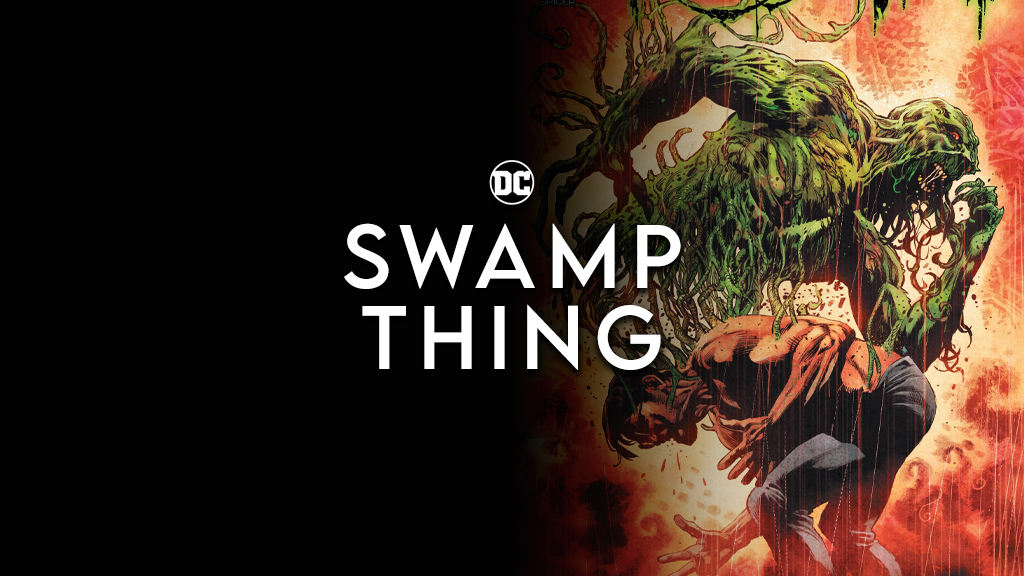
  • Swamp Thing

    Swamp Thing

    Premiere: TBD

    Set to be written and directed by James MangoldSwamp Thing has been described by James Gunn and Peter Safran as “tonally different” than the other projects in Chapter 1: Gods and Monsters but still “interconnected” with the rest of the slate. Not expected to release before 2027, Swamp Thing will “investigate the dark origins” of the Green Man created by Len Wein in 1972.

    Cast

    • Unknown actor as Alec Holland/Swamp Thing
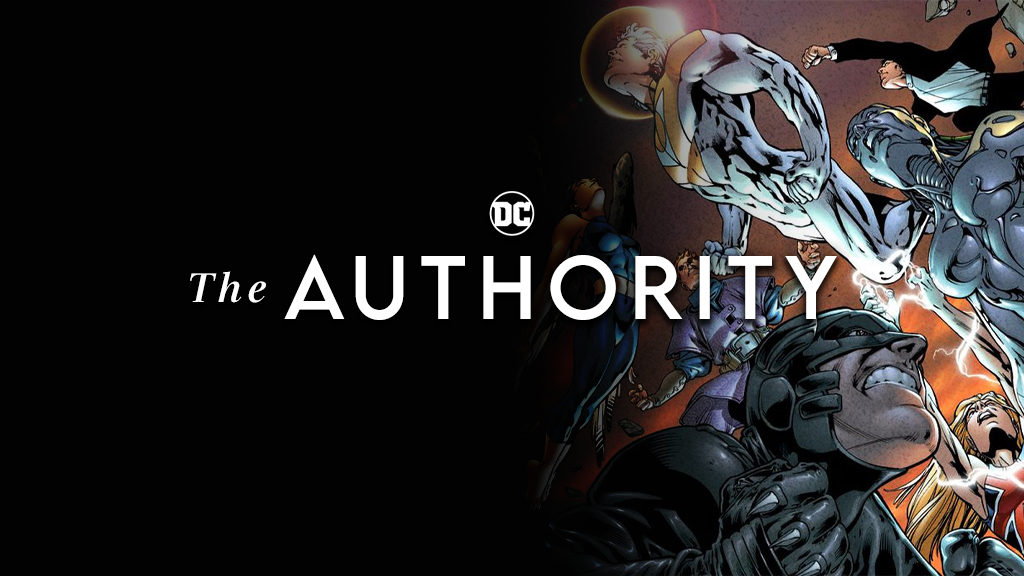
  • The Authority

    The Authority

    Premiere: TBD

    Slated as the second theatrical release in Chapter 1, The Authority is described by James Gunn as a project about group of “morally grey characters” who are “basically good intentioned” but think that “the world is completely broken and the only way to fix it is to take things into their own hands, whether that means killing people, destroying heads of state, changing governments—basically, whatever they want to do to make the world better.” The script, which was outlined by Gunn, was being developed by an unknown writer before the WGA strike.

    The team roster has changed considerably and the DCU iteration of the team has not been revealed but it is very likely that Apollo and Midnighter are among those chosen for the adaptation.

    Cast

    • María Gabriela De Faría  as Angela Spica/The Engineer
  • The Brave and the Bold

    The Brave and the Bold

    Premiere: TBD

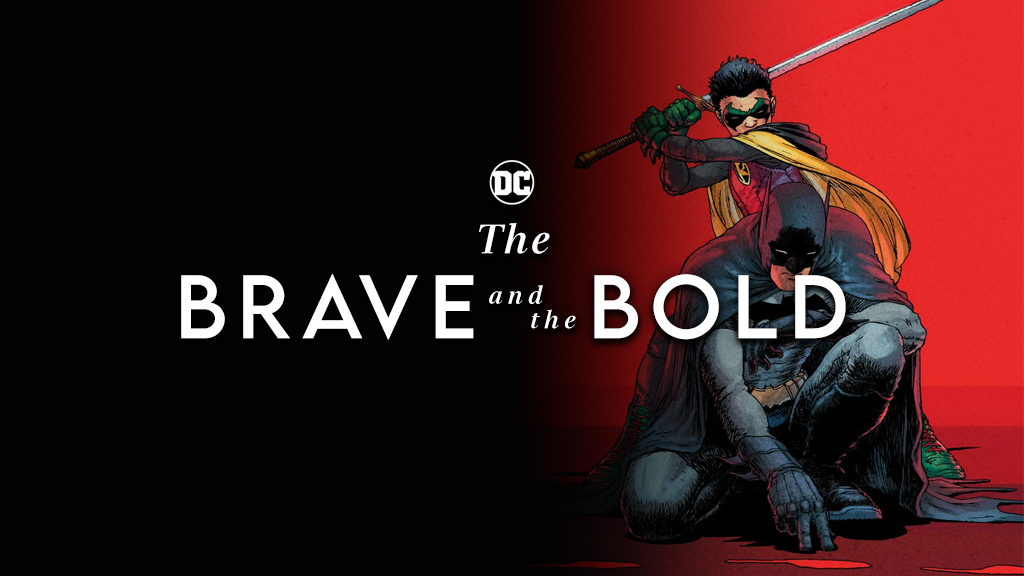
    Based on Grant Morrison‘s 2006 epic run on BatmanThe Brave and the Bold will introduce the DCU’s main continuity Batman alongside his son, Damian, who James Gunn called his favorite Robin. While at it’s center it will be “a very strange sort of father-son story,” according to Gunn, who noted that Damian is “a little son-of-a-bitch,” the film will also introduce other members of the Bat-Family because, according to Peter Safran, “we feel like they’ve been left out of the Batman stories in the theater for far too long.” Rumors had The Flash and It director Andy Muschietti helming The Brave and the Bold for DC Studios and in June 2023, a trade report confirmed that to be the case.

    Cast

    • Unknown actor as Bruce Wayne/Batman
    • Unknown actor as Damian Wayne/Robin
  • Superman

    Superman

    Premiere: July 11, 2025

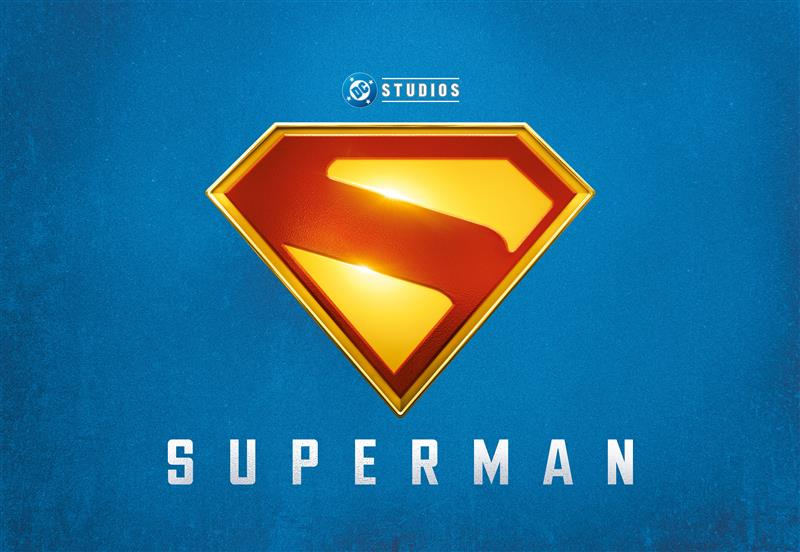
    Though it won’t be the first DCU project to be released, Peter Safran has referred to Superman: Legacy as the “start of the DCU.” Referred to as a “four-quadrant film” by James Gunn, the goal is to make the film “for everyone” and that’s a tough job. To do so, Gunn is looking to take the Man of Steel back to his roots as “the embodiment of truth, justice, and the American way.” “He is kindness in a world that thinks of kindness as old-fashioned,” said Gunn of Kal-El, who will be established as a major player in the new DCU in Superman: Legacy.

    The search for the DCU’s Superman and Lois kicked off in earnest in May when Gunn and crew began screen-testing actors. Following the tests, David Corenswet landed the part of Kal-El and Rachel Brosnahan rose to the top of an impressive list of talent to become the DCU’s Lois Lane. Several months later, Nicholas Hoult–who also read for the role of Superman–was cast as Lex Luthor.

    Superman: Legacy will feature a handful of other metahuman heroes who are already active in the world when the movie takes place. Edi Gathegi’s Mr. Terrific will be joined by Hawkgirl (Isabela Merced) Green Lantern Guy Gardner (Nathan Fillion) and Metamorpho (Anthony Carrigan). María Gabriela De Faría is set to play another comic book hero, The Engineer, but with a twist: the character will be one of the film’s villains.

    On February 29th, 2024, James Gunn revealed that production had begun on the film which had been retitled Superman.

    Cast

    • David Corenswet as Clark Kent/Kal-El
    • Rachel Brosnahan as Lois Lane
    • Nicholas Hoult as Lex Luthor
    • Skyler Gisondo actor as Jimmy Olson
    • María Gabriela De Faría as Angela Spica/The Engineer
    • Edi Gathegi as Michael Holt/Mr. Terrific
    • Isabela Merced as Hawkgirl
    • Nathan Fillion as Guy Gardner
    • Anthony Carrigan as Rex Mason/Metamorpho
    • Sara Sampaio as Eve Teschmacher
    • Sean Gunn as Maxwell Lord (rumored appearance)
  • Supergirl: Woman of Tomorrow

    Supergirl: Woman of Tomorrow

    Premiere: June 26, 2026

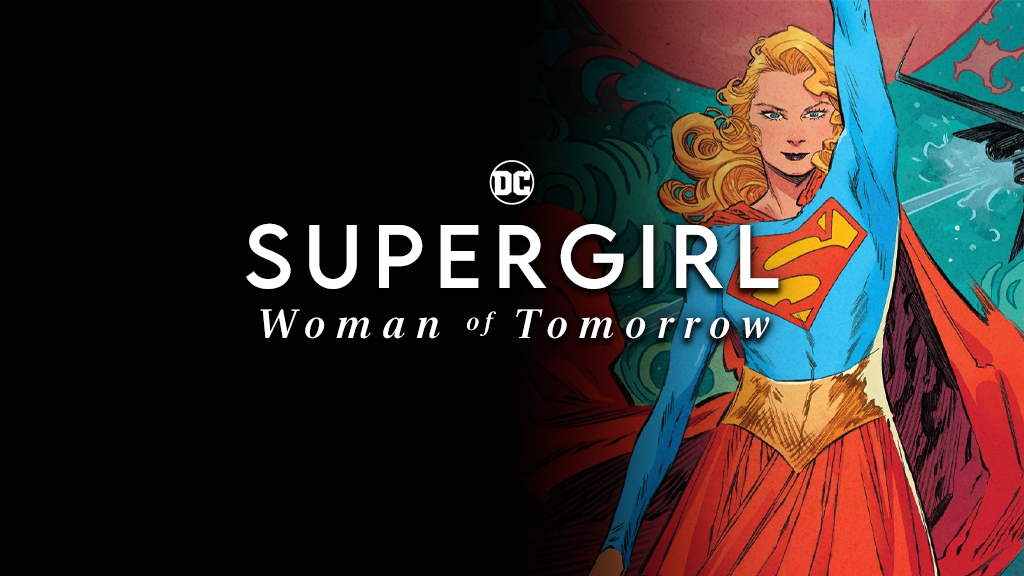
    Comic book writer Tom King was called “one of the architects” of the new DCU by James Gunn and his 2022 book, Supergirl: Woman of Tomorrow is being adapted as a feature film in Chapter 1: Gods and Monsters. The film won’t be a one-to-one adaptation, according to Gunn, who says the DCU’s Supergirl will be much more “hardcore” based on her traumatic past. “In our story, we have Superman who was sent to Earth and raised by incredibly loving parents. Kara was on Krypton. She was on a piece of Krypton that drifted away from the planet and she lived there for the first fourteen years of her life in a horrible situation where she watched everyone around her die. So, she’s a much harsher and more fucked up Supergirl than you’ve been used to thus far.”

    In January 2024, it was reported that Milly Alcock, Meg Donnelly and Emilia Jones were among those screen testing for the role of Kara Zor-El. After Jones dropped out of contention for the role, Alcock became the DCU’s Supergirl on January 29, 2024.

    In April 2024, trade reports indicated that Craig Gillespie was DC Studios’ top target to direct the film and that production was slated to kick off in late 2024. In May 2024, the film was given a release date of June 26, 2026.

    In September 2024, Old Guard star Matthias Schoenaerts was cast as the film’s main antagonist, Krem of the Yellow Hills.

    Cast

    • Milly Alcock as Kara Zor-El/Supergirl
    • Matthias Schoenaerts as Krem of the Yellow Hills
    • Eve Ridley as Ruthye Mary Knolle
    • Jason Momoa as Lobo
    • David Krumholtz as Kara’s father
    • Emily Beecham as Kara’s mother