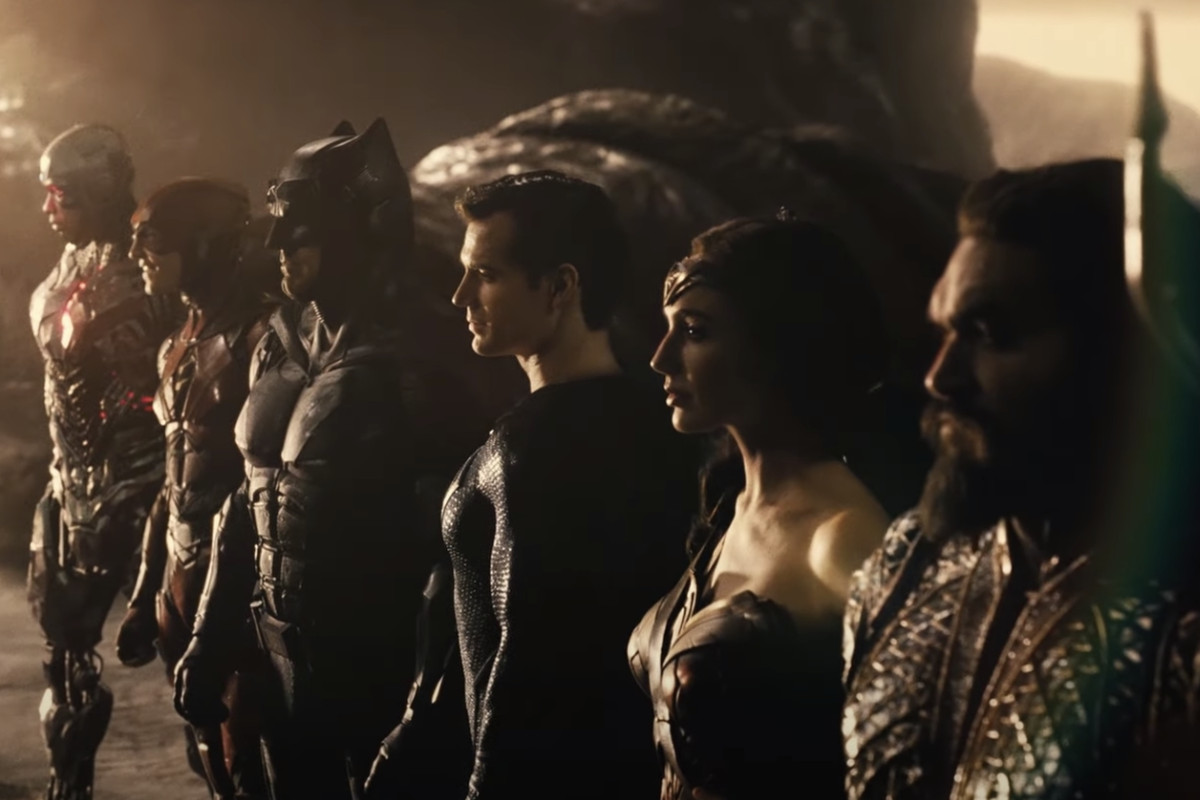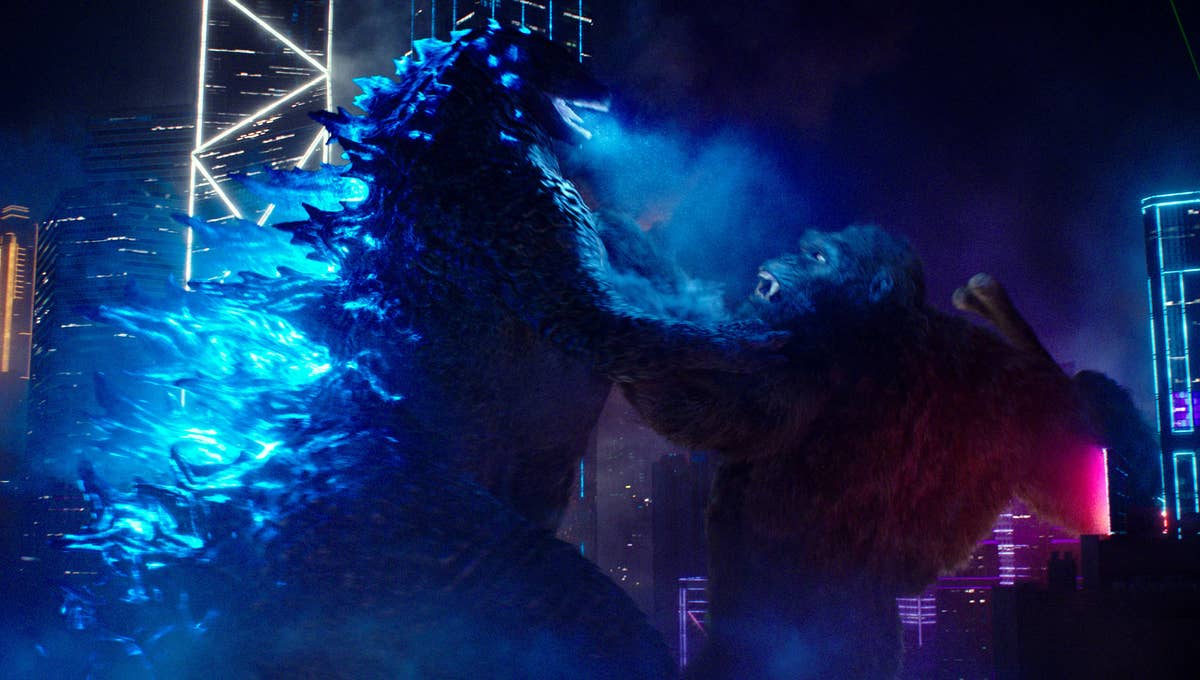
Category: Features

  • Review: ‘GODZILLA vs. KONG’

    Review: ‘GODZILLA vs. KONG’

    Legendary Pictures has been developing Godzilla vs. Kong as the main event of its Monsterverse since 2015. The fourth film in their shared universe benefits from the build-up that began in 2014’s Godzilla and the mythology and that was developed and shared with audiences in Kong: Skull Island (2017) and Godzilla: King of the Monsters (2019). The film delivers on monster-on-monster action in a big way, ties up some of the series’ ongoing mysteries and would be a wild ride in cinemas (I watched it in my living room and the big action scenes certainly lost some magic on my TV). It also makes an all-too-common mistake in recent monster movies, forces an unnecessarily convoluted plot device into the mix and maybe relied a bit too much on bringing back characters from previous entries. However, with realistic expectations set about what you’re sitting down to watch Godzilla vs. Kong is incredibly fun, crazy as hell and fans who have been waiting on seeing the two titans take each other one will find themselves with a permagrin during the final act’s major action sequence.
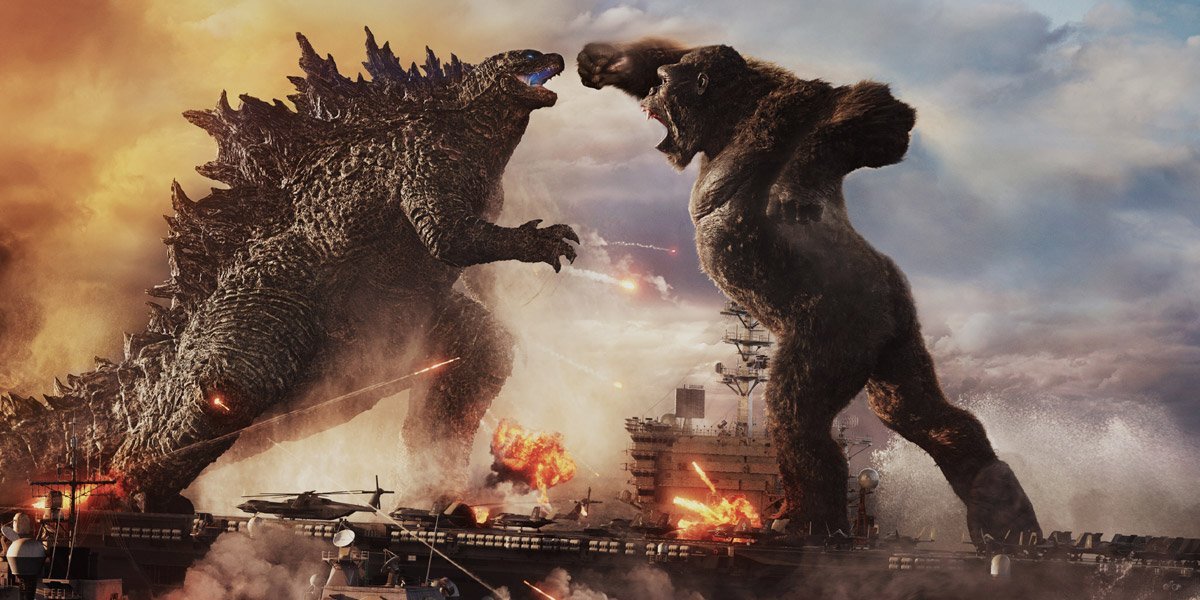
    Godzilla Vs. Kong's Director Shares Some Of The Sweet Easter Eggs Fans Have Started Picking Up On - CINEMABLEND

    Godzilla vs. Kong‘s main plot centers on Monarch looking to relocate Kong, who is looking much grayer and a little larger than when we last saw him in Kong: Skull Island which was set in 1973. Rebecca Hall’s Dr. Andrews is convinced by an old colleague, Alexander Skarsgard’s Dr. Lind, that the best bet for Kong is a Hollow Earth access point in Antarctica where he might find himself not only a new home but also perhaps others of his kind. Unfortunately, Lind’s strings are being pulled by the “visionary” head honcho of Apex Cybernetics, Walter Simmons, who hopes to harness the unique energy of Hollow Earth to power his pet project which he believes will solve the Earth’s Titan problem. When former Apex employee and Titan conspiracy podcast host Bernie Hayes (Brian Tyree Henry) manages to stumble onto Simmons secret during an inexplicable attack by Godzilla on an Apex location, his podcast catches the attention of Millie Bobby Brown’s Madison Russell, who survived the events of Godzilla: King of the Monsters and apparently needed to be back for contractual reasons because I can’t come up with one other decent reason why she’s here. When Drs. Andrew and Lind move Kong, Godzilla’s Titan sense starts tingling and it’s on.

    We’ve seen a good bit of the film’s first big action sequence which takes place at sea. Given that it’s the film’s warm up bout for the two Titans, it’s a good bit of fun, if not a bit too short, but it makes it pretty clear that Kong is going to have a hard time standing up King of the Monsters. The film takes a few big swings here, even taking the two Titans underwater for a prolonged sequence and, for the most part, it works. We get some creative and intense action here that whets our appetites for what we know is yet to come.

    The most satisfying part of the film for me comes when it makes good on the Hollow Earth theories that have run throughout the series. A good portion of the second act is devoted to it and it really feels like time well spent both because it makes good on the promises of previous films, gives Kong a way to even the tables and bit and allows for an already interesting mythology to be built upon should Legendary hope to move forward with it.
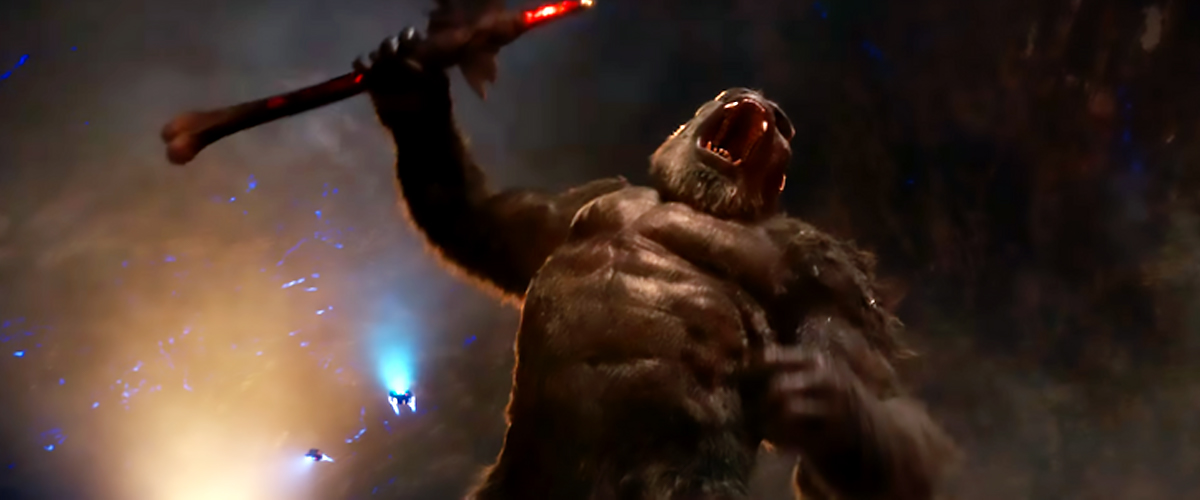
     

    What Is That Battle Axe Kong Uses To Repel Godzilla's Atomic Breath? The Toys Give Us A Hint | Geek Culture

    The film’s final action sequence, which includes an interloper that we’ve all seen coming since the first trailer hit, delivers on everything fans of the franchise and the genre could have asked for. For the most part here, director Adam Wingard was smart enough to take the people off the board and let the Titans do their thing. Kong uses the cityscape of Hong Kong to his advantage in some really fun and creative ways and the destruction caused by Kong, Godzilla and Mechazilla is next level. If you’re going to theaters to eat your popcorn, watch monsters hit each other and see shit get broken, there’s absolutely no way you’ll walk away unhappy.

    And since that’s what this movie is, the shortcomings seem like nitpicks. While the people are out of the way in the final act, Godzilla vs. Kong goes a little too Transformers early on by forcing Brown and her friend, played by Julian Dennison, into the mix. Sure they expose the mustache-twirling bad guy to the audience and find a way to have an impact on the final fight, but that’s all less time we spend watching Godzilla fight Kong which is, you know, what we want in a Godzilla vs. Kong film.

    As a teacher grading on 1-4 standards-based scale, this is a solid 3 for me. That’s not a traditional scale so it’s not a 75%; this film meets the expectations for the target it set. It’s supposed to be a monster movie about monsters fighting each other and when that happens, it checks all the boxes. It doesn’t seem like a film I immediately want to revisit or even one that I’ll remember when I make my year-end list of my top 10 films, but it’s a banging good time and I think it’s going to do killer numbers at the box office, hopefully encouraging Legendary to keep the Monsterverse alive!
  • My Hero Academia Season 5 Episode 1 Recap: All Hands on Deck!

    My Hero Academia Season 5 Episode 1 Recap: All Hands on Deck!

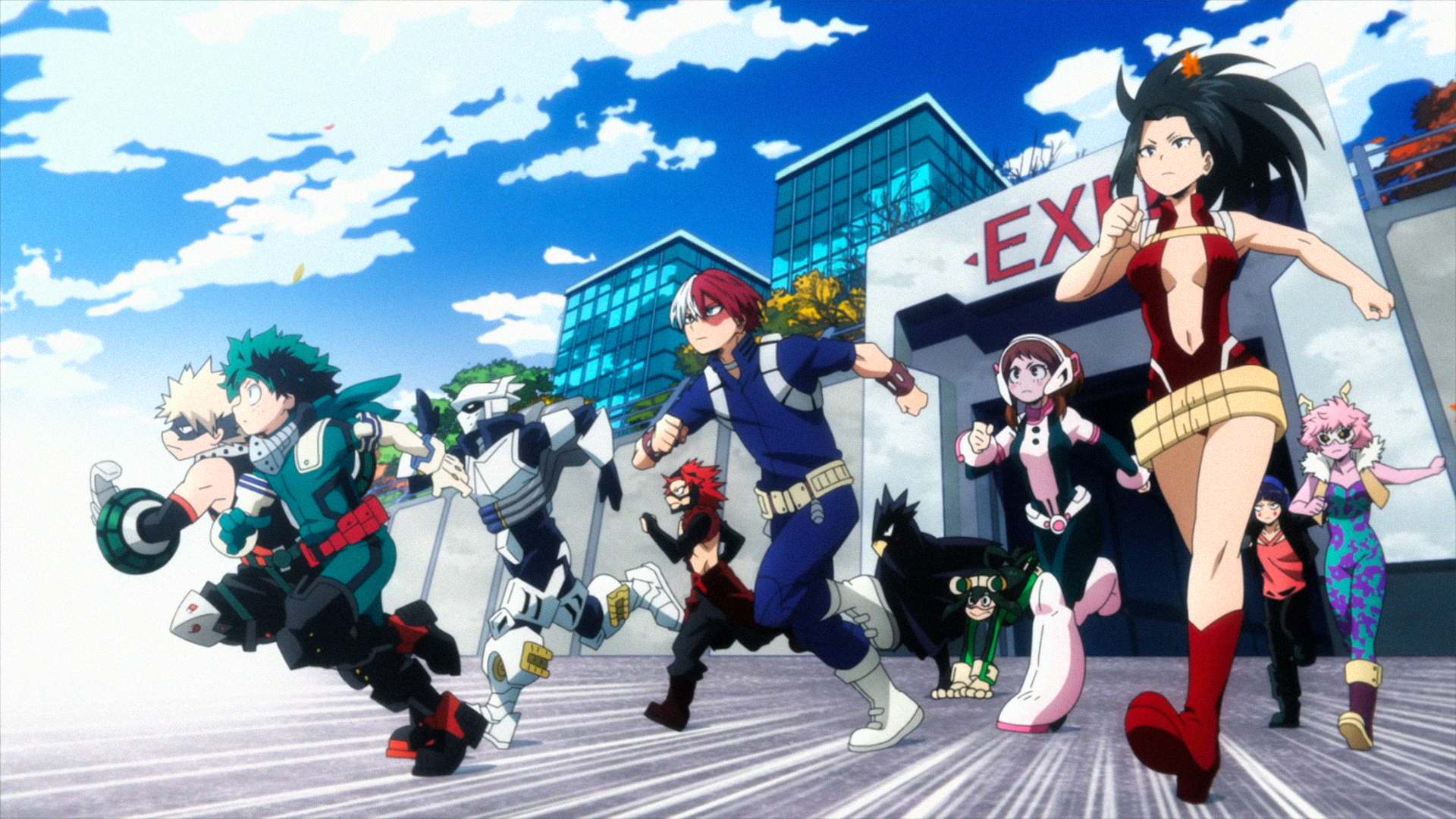
    The fifth season of My Hero Academia kicked off with its first anime-original episode. While it is considered a filler, it served the purpose of catching us up with our class of protagonists. The episode begins with Class 1A talking about the events of the last episode of the previous season. They were discussing the fight between a Nomu named High-End and Pro Heroes Endeavor and Hawks. They highlighted the most important moments of the match in the episode.


    As class starts, an emergency alarm blares throughout the classroom, alerting the class of an emergency drill and that Class 1A should report and assess the situation. When they appear at the scene of the incident, the episode showcases each student demonstrating their quirks. The class separates into teams based on their abilities. Koda, Jiro, and Shoji serve as reconnaissance and use their Quirks to assess the situation. They help the rest of their classmates work together and tackle the circumstances of the emergency. Ida, Shoto, Tokoyami, Sato, and Aoyama form a firefighting crew to extinguish the burning building. In the meantime, Asui and Mineta team up to rescue a civilian that had washed up in a nearby river. Katsuki, Kirishima, and Kaminari head off in search of villains. As for the rest of the class, they head towards the blaze.


    They realize that the “villains” in this match-up are none other than two of the Big 3 members, NejireHado and Tamaki Amajiki. Mirio Togata, the other member of the Big 3, is the civilian that needs “rescuing”. Izuku, Ashido, Momo, Hagakure, Ojiro, Sero, and Ochaco engage in combat with Nejire and Tamaki. They manage to take down Nejire, but Tamaki proves to be far more formidable against the first years. It isn’t until the trio of Bakugo, Kirishima, and Kaminari arrive on the scene that they can take down Tamaki. As the rest of the teams extinguish the fires using Shoto’s ice and rescue Mirio from the river, Class 1A is successful in their Emergency Drill (Well, almost).


    After the drill was over, Bakugo let his temper get the best of him, and he went overboard with Tamaki, unleashing a large explosion in the process and blowing everyone away. Yet, the episode did a brilliant job of showcasing Class 1A’s quirks and their ability to work together as teams. The episode ends with Endeavor lying in a hospital bed, dreaming about the events that occurred after his fight with the Nomu in Fukuoka and the aftermath, where the mysterious Dabi encounters the two Pro Heroes before cutting to another scene at night where the villain “discusses business” with Hawks in a warehouse.


    Now, of course, while this episode mainly serves as a filler, it’s a great way for the season to start. But its events certainly raise questions as to how the season will move forward. If you haven’t read the manga yet, there are some interesting flags raised with these events. Hopefully, we’ll get to see them work as a team even more as the show continues throughout this season.

  • Stop Hating On the New Captain America…At Least For Now

    Stop Hating On the New Captain America…At Least For Now

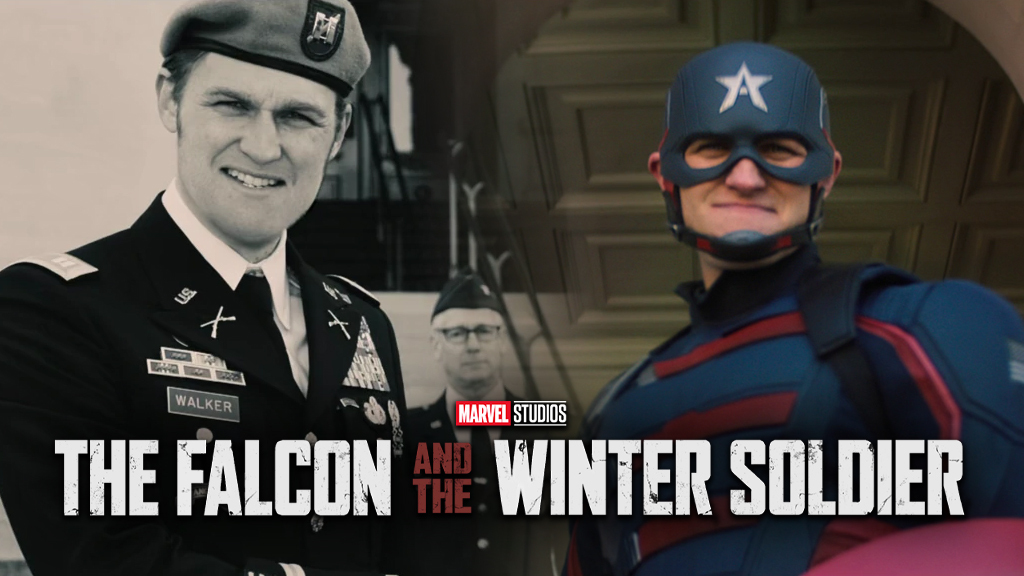
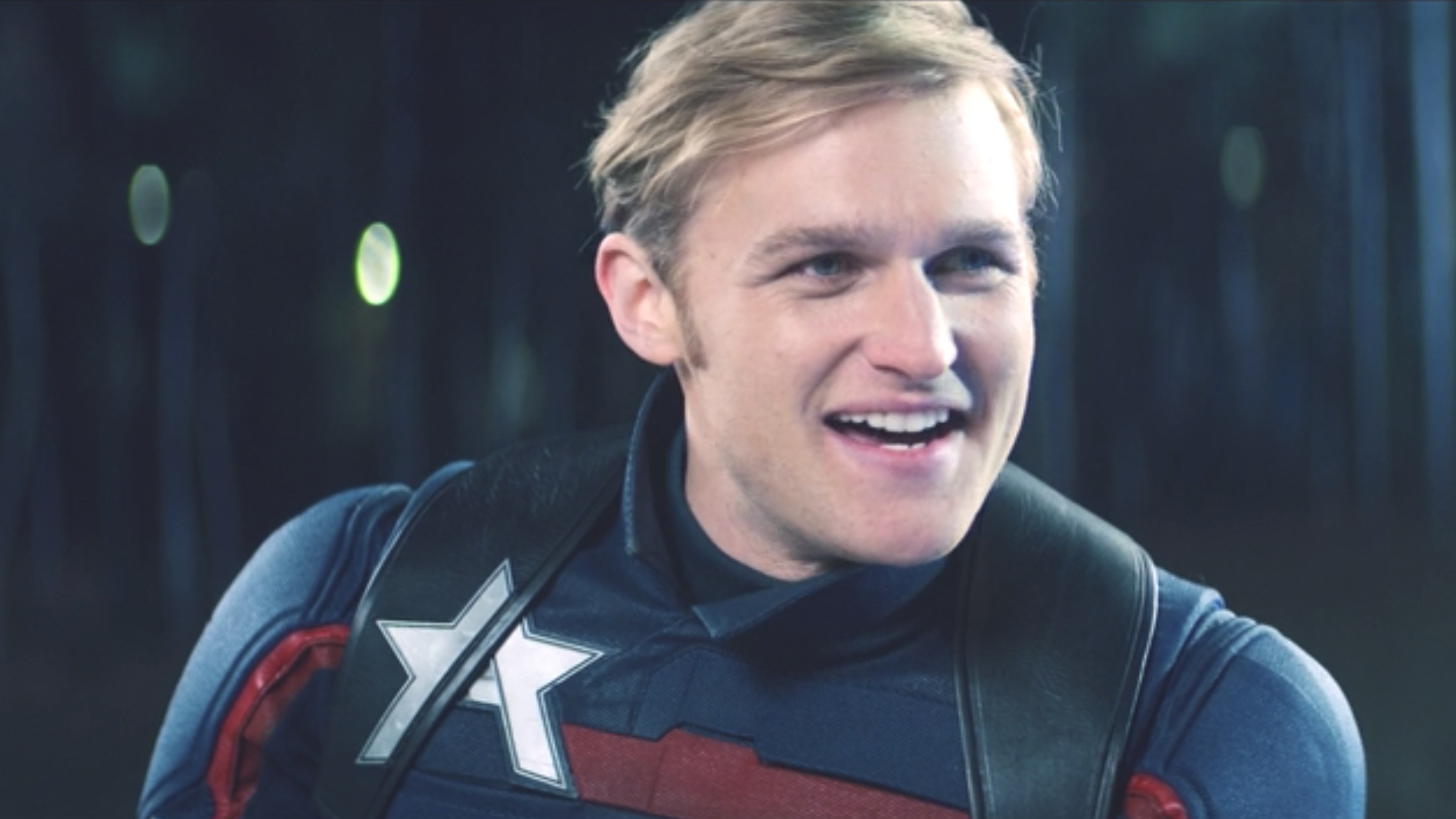
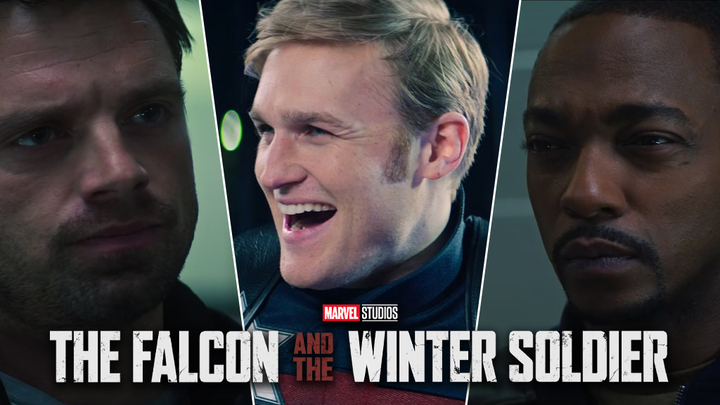
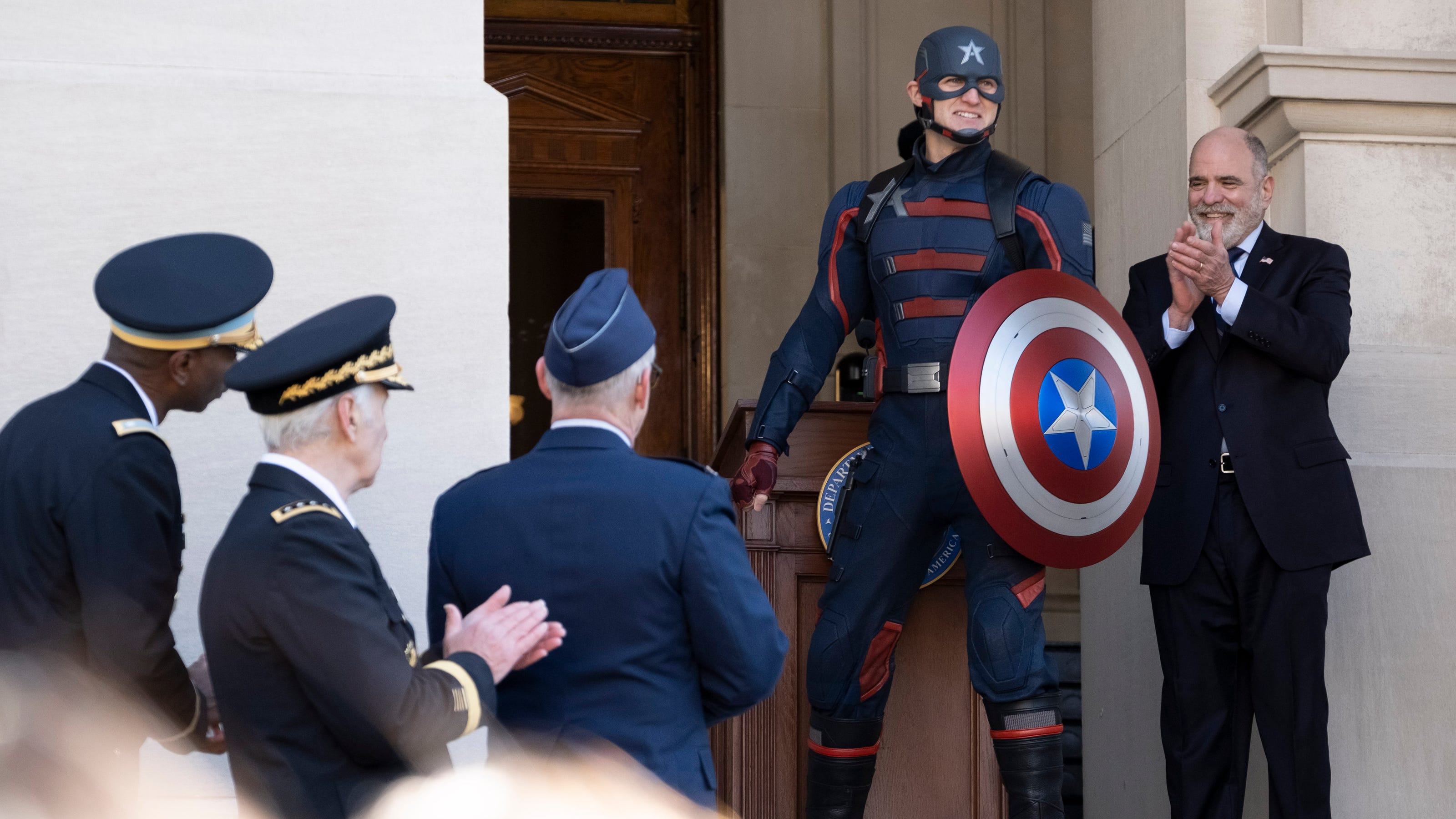
    If social media is to be believed, Wyatt Russell’s John Walker, the MCU’s new Captain America, might just be more hated than Thanos. Within minutes of his debut in episode 1, fans were already talking about his punchable face and following yesterday’s episode, “The Star-Spangled Man”, the hate reached epic proportions. But here’s the thing: no matter how badly you want John Walker to be a bad guy, he’s not…not so far at least. The writers and directors of The Falcon and The Winter Soldier are definitely leading fans down a very particular path and making fans feel a very certain way but as fans, can we take a step back and change the lens through which we’re viewing the character? Let’s give it a shot.

    John Walker Did More to Earn the Title of Captain America Than Steve Rogers

    Falcon and Winter Soldier episode 2: who is John Walker, the new Captain America? | Tom's Guide

    It might seem impudent to the legacy of Steve Rogers, the man who was willing to stand alone against Thanos and his army when all else had failed (and easily my favorite MCU hero) to suggest it, but Walker’s career as a military hero has earned him a shot at carrying on the legacy and it’s a much more accomplished career than the one the guy before him had.

    As we learned in Episode 2, Walker is a 3-time recipient of the Medal of Honor, the highest military decoration in the U.S., and led counter-terrorism and hostage rescue units during his distinguished career. Love him or hate him, the man was the very definition of an American hero before he was given the new job. Rogers, on the other hand, had no prior military career and though he displayed his bravery by falling on a grenade during basic training, his greatest accomplishment was being smart enough to pull the pin out of the flagpole. And keep in mind that Rogers only got the chance to go through basic training after falsifying documents and because Doctor Erskine happened to be in the right place at the right time to hear Steve’s explanation to Bucky about why he wanted to be in the war.

    It’s probably very intentional that longtime fans of the MCU think back to Gilmore Hodge while looking at John Walker, but despite the intent of the creative team, it’s important to remember that neither of them are bad men, just very good soldiers.

    John Walker Isn’t Responsible for the Racism Sam is Experiencing

    Battlestar: Falcon and Winter Soldier may be committing a cardinal MCU sin

    Early “leaks” (the bullshit kind) pegged Walker as a racist and all-around villain. It seems that despite the fact that those leaks were nothing more than poorly written fan-fiction, that the feelings they fueled have carried some momentum into the series. The Falcon and The Winter Soldier has deftly and subtly addressed racism in America in each of the first two episodes and hopefully continues to shine a light on it, but none of that is coming from Walker. In fact, it seems incredibly obvious that Walker is anything but racist. He’s married to a Woman of Color and his partner and good friend is an African-American man.

    As Dalbin Osorio wrote here, when Walker was announced as the new Captain America just days after Sam handed over the shield, the words spoken at the podium “real American values” were code for “somebody real white.” In both episodes, Sam has dealt with subtle micro-aggressions steeped in racism, but nothing hurt him more than understanding why he was passed over for Cap. And as much as we want to hate someone for that, it shouldn’t be Walker. Walker isn’t the guy making these decisions, he’s a hero and soldier trying, in his own words, “to be the best Captain America” he can be in what he sees describes as “the greatest honor of my life.” Someone is doing Sam wrong here (I’m even inclined to believe we might uncover a  government conspiracy as time goes on-Redwing does seem to get glitchy whenever government ops touches him and we just found out that they track Sam via the drone) and we’re bound to find out who. John Walker isn’t responsible for the racism Sam is experiencing but he is benefitting from it.


    John Walker is the Captain America Steve Rogers Used to Be

    The Falcon and the Winter Soldier episode 2 recap: New Captain America shows what he is made of in another action-packed entry | Entertainment News,The Indian Express

    Perhaps no character showed more growth during his time in the MCU than Steve Rogers. By the time we saw him put the shield down and walk away at the end of Captain America: Civil War, he was barely recognizable as the soldier who was shaking hands and “socking old Adolf in the jaw.” We see Walker complain about that same song and dance in this episode before seeing him get his ass kicked in a rescue mission and while we want to hate Walker and want to see it as a weakness, we have to remember that Steve was in this exact same place early on. If Steve hadn’t been there, he wouldn’t have had room to grow; we have to at least allow Walker the opportunity to grow along the same lines Steve did. We have to hope that Walker, like Steve, can see that blindly following orders might make him a good soldier, but it doesn’t make him the “best Captain America” he can be, especially when those orders should conflict with his conscience.

    From the goofy grin, to the cocky attitude to the threat to Sam and Bucky about staying out of his way, we’ve been given plenty of reasons to hate John Walker. It’s good writing, it’s what we’d expect from Marvel Studios, to make us feel angry at the guy who got the title our hero Sam deserves; however, for the time being Walker hasn’t done anything to deserve it. That’s not to say he won’t because it seems like there’s definitely another shoe waiting to drop. Until then, though, let’s work on a growth mindset; let’s not hate John Walker…yet.


  • Falcon And The Winter Soldier Episode 2 Recap

    Falcon And The Winter Soldier Episode 2 Recap

    The second episode of The Falcon and The Winter Soldier is a tale of regret and ignorance. On many levels, our characters are running from something. The reality is they all have to confront some harsh truths. So, let’s not waste any time and dive right in and look at the major player’s individual journeys throughout the episode:

    John Walker’s Close Up

    The Falcon and the Winter Soldier Episode 2 Recap: A New Captain America,  and Flag Smashers | NDTV Gadgets 360

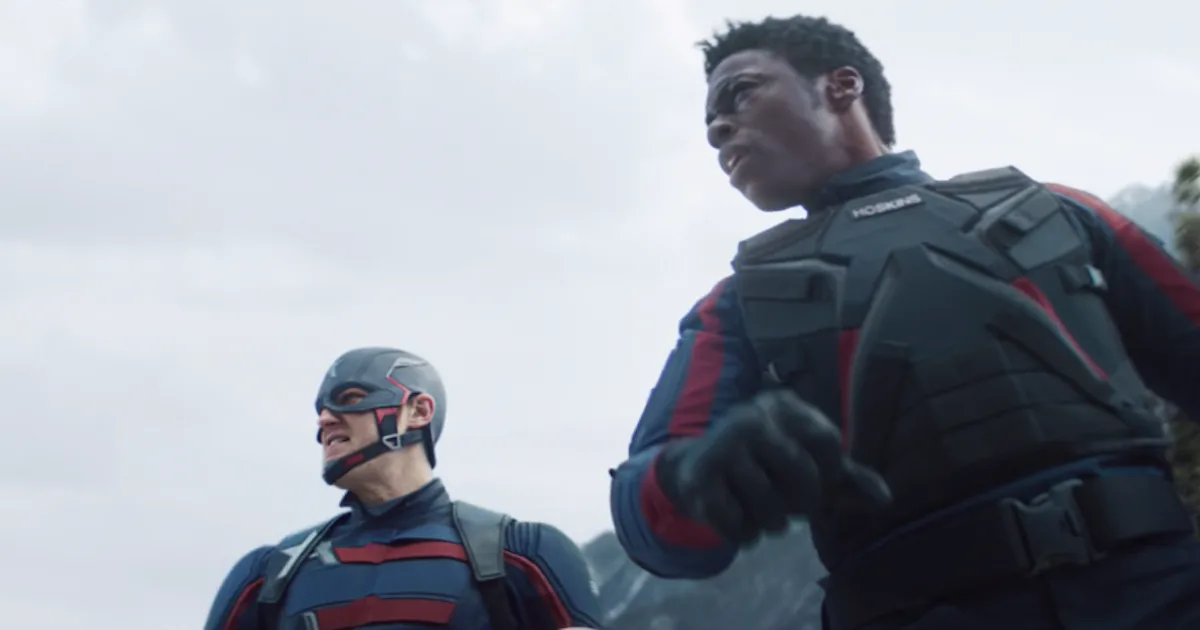
    With John Walker as the new Cap, he soaks it all in on the football field. He is visited by, who we must assume is his wife and his friend Lemar Hoskins. We later even get a callout to his comic book name, Battlestar. Walker gets introduced to the crowd and gets a Good Morning America interview. Later, John and Lemar hack Redwing to follow Sam and Bucky to fight the Flag Smashers. After losing the skirmish, John tries to appeal to the duo to work together.

    Bucky doesn’t take kindly to John at all. His efforts get rebuffed. When Bucky ends up arrested, John bails him out, as he considers him an asset. He once again appeals to Sam and Bucky about working together to no avail. This rejection angers Walker. He warns the two to “stay the hell out of his way.” John Walker seems like the guy who got one promotion and is now calling all the shots. He’s a good soldier, but is he a good man?


    Karli Morgenthau and The Flag Smashers

    The Falcon and the Winter Soldier Episode 2 Recap: A New Captain America,  and Flag Smashers | NDTV Gadgets 360

    The Flag Smashers are busy moving a bunch of crates around. We learn that they are moving chemicals around. It could connect to the Power Broker and their abilities. After their confrontation with our favorite duo and the new Captain America, they stop at a safe house. Karli gets a text implying that they stole something from the Power Broker, and he is deadset on retrieving it. This sequence makes it clear that she is their leader. As they get ready to fly off to their presumed next attack, they get unexpected visitors. It’s the Power Broker’s men. One of the Smashers sacrifices their life to let the rest escape. We still don’t know who the man in the shadows is, but whoever it is means business.

    Sam and Bucky Get Reacquainted

    The Falcon and the Winter Soldier Episode 2 – What Did You Think?!

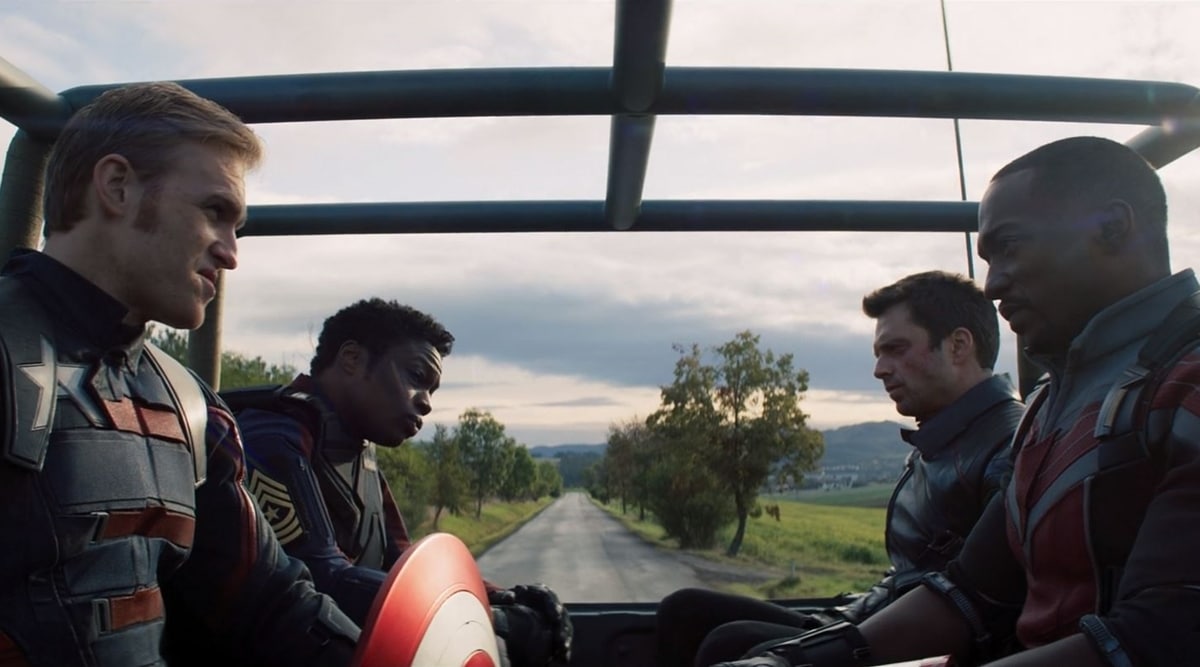
    After Walker’s announcement as Cap, Sam and Torres go off to confront the Flag Smashers. Bucky arrives and complains to Sam about giving up the shield. In Germany, they start learning to work together again. Their encounter with Karli and her team leads to Redwing getting destroyed and their egos hurt. While they’re flying back to the States, Bucky reveals that there’s another super-soldier.

    The duo arrives in Baltimore to talk to Isaiah Bradley, the Black Captain America. They’re greeted by what we assume is his grandson, Eli. Isaiah is irritated at Bucky’s appearance and is shaken by remembering what happened in his past. He was sent behind enemy lines to fight Bucky. 

    You know what they did to me for being a hero? They put my ass in jail for 30 years. People running tests, taking my blood, coming into my cell.

    Bradley painfully says as he angrily shows a bit of that super soldier strength. A powerful scene from Carl Lumbly. He chases both of them out shortly after. 

    Understandably Sam is angry upon learning this information now. Bucky reveals that Steve Rogers didn’t know about this either. As this is happening, the cops pull up. They first assume it’s an altercation and ask for Sam’s ID, cue racial profiling. They then both realize that Sam is the Falcon. Unfortunately, Bucky gets arrested as he missed his court-mandated therapy sessions.


    Unlikely Therapy Sessions

    The Falcon and the Winter Soldier' Episode 2 Instant Reactions - The Ringer

    At the jail, Dr. Raynor appears and holds an impromptu therapy session with the duo. Bucky reveals his aggravation with Sam stems from Sam giving up the shield willingly, claiming that “If he was wrong about you, then maybe he was wrong about me.” Bucky has a ton on his head and heart here. Unshaken, Sam says that he thought this was the right thing to do. The two agree to work together until the problem is solved.

    As the episode ends, they decide to visit Zemo in prison, as he may know more about the serum and HYDRA secrets. With this cliffhanger, let’s ask five questions for next week’s episode:

    1. Did the Flag Smashers steal the super soldier serum from the Power Broker, or is he trying to steal it from them? I think the former.
    2. Who’s the Power Broker? Whoever this person is they’re not playing games as they’re hot on the Flag Smashers tail.
    3. We got to know John Walker in a way that wasn’t overt but is there something darker about who he is? We will find out soon enough.
    4. Isaiah Bradley didn’t take too kindly to Bucky and Sam showing up. He figures to be a meaningful part of the series, will he be the motivation Sam needs to be the Captain America we know he can be?
    5. We will finally see Zemo next week. Do we think Sam and Bucky break him out of prison? If so that could cause problems for everybody.

    We’re through the first act, and we’ll see how the Falcon and The Winter Soldier continue to lay out their story next week.

  • ‘My Hero Academia’: The Story So Far

    ‘My Hero Academia’: The Story So Far

    There aren’t many manga series that have achieved the international acclaim and success that My Hero Academia has. It’s become one of the most popular manga franchises, and with the fifth season finally airing this week, we’re going to recap the events of the first four seasons to get you guys ready to continue Midoriya’s story in the U.A.


    Season 1

    The first season kicks off with the introduction of our protagonist, Izuku Midoriya. In a world where individuals are born with special abilities known as “quirks,” he was born without one. This revelation, however, did not stop him from trying to achieve his dream of becoming a hero like his inspiration, All Might. When fate has them cross paths, his icon acknowledges Izuku’s dream and takes him on as his successor. He’s eventually accepted into his dream school, U.A., and enters Class 1A. Izuku’s classmates are pictured below:


    The class starts hero training with their professor and hero, Shota Aizawa. The season ends with Class 1A facing off against the newly founded League of Villains. They can delay the villain’s plans until All Might comes in to save the day.


    Season 2


    The second season kicks off with the first-year students showcasing their quirks to the world in a massive scale tournament. When it’s all said and done, Katsuki Bakugo ends up winning. Shortly after, pro heroes offer the students at 1A temporary internships. Izuku undergoes tutelage under Gran Torino, All Might’s former master. With his help, he learns how to control his quirk. In the meantime, a city gets attacked by the League of Villains. Izuku, Todoroki, and Tenya team up to take down a villain named Stain.

    Following Stain’s defeat, more villains were motivated to rise against the heroes. The final arc of the season has class 1A taking on their teachers for their final exam. The season ends with Izuku and Shigaraki coming face-to-face once again. It ends setting up Shigaraki as one of the big villains of the My Hero story.


    Season 3

    The third season starts with the two hero classes traveling to a Summer Camp, where they learn to master their quirks. That all changed when the League of Villains attacked the campsite. Their goal was to distract the pro heroes so they could abduct Bakugo.

    Following those events, the heroes immediately go out in search of Bakugo and the villain’s hideout. Meanwhile, Izuku, Kirishima, Shoto, Momo, and Tenya decide to take matters into their own hands to rescue Bakugo. They succeed in doing so. Meanwhile, All Might takes on the League’s founder, All for One, in a massive battle. All Might ultimately win the battle but retires after the match.

    The final arc subjects class 1A to a rigorous exam to receive their Provisional Hero Licenses. Nearly all the students passed except for Bakugo and Todoroki. The season ends with Bakugo and Deku going head to head in a match. All Might intervene to explain everything to Bakugo regarding One for All.


    Season 4

    The most recent season picks up right where the third season ended. The students participate in different work studies under the tutelage of pro heroes. Izuku gets to work for All Might’s former sidekick, Sir Nighteye. He is investigating a Yakuza group led by the villainous Chisaki. He has been creating a drug that can steal quirks. It is based on the blood of a poor girl named Eri. These events lead to the Shie Hassaikai raid, where the heroes attempt to rescue Eri and stop the madman. They succeed, but at a cost. The young hero, Mirio, loses his powers, and Sir Nighteye dies in battle. Luckily, he gets a chance to reconcile with All Might.

    Following these events, U.A. held its annual school festival, which almost got disrupted by two villains. It ends up getting foiled by Izuku. After the School Festival, Endeavor officially becomes the world’s no. 1 hero. We also get introduced to the brand new No. 2, Hawks. They both travel to Fukuoka, where a genetically-altered person, also known as a Nomu, appears and fights the two heroes. The season ends with Izuku having a mysterious dream. In it, he sees all of the former users of the One For All quirk. He witnesses the exchange between All For One and the original One For All. He ends up waking up before he gets to see the rest of that story.


    And now you’re all caught up for Season 5 of My Hero Academia.

  • ‘ZACK SNYDER’S JUSTICE LEAGUE’: Schrödinger’s Cut

    ‘ZACK SNYDER’S JUSTICE LEAGUE’: Schrödinger’s Cut

    Schrödinger’s cat is a thought experiment where a hypothetical cat may be considered simultaneously both alive and dead as a result of being linked to a random event that may or may not occur. In simple terms, if you place a cat and something that could kill the cat (a radioactive atom) in a box and sealed it, you would not know if the cat was dead or alive until you opened the box, so that until the box was opened, the cat was (in a sense) both “dead and alive”.

    The road to Zack Snyder’s Justice League was a long and tumultuous one. No matter what people make of the finished product, it’s hard to dissociate it from not only everything that happened since Snyder left the project in May 2017 but also from everything that, for the time being, doesn’t seem to be happening in what concerns the so-called Snyderverse. So being, all events, from Snyder leaving the project to the movie Joss Whedon ended up releasing in theaters, from Snyder Cut‘s HBO Max release to the apparent lack of a final chapter to the story, helped to shape the, if not lasting, at least the immediate impression made by the four-hour epic.

    Due to all of this, and much like the thought experiment that serves as the title to this article, the Snyder Cut seems to be in a situation/state that allows for apparently opposing conclusions to be verified and, for the time being, to surface as legitimate and valid outcomes of the entire endeavor.

    Introducing Characters

    Unlike what Marvel has mostly been doing for over ten years, out of the six Justice League members only one had a solo movie as its introduction into the cinematic universe. Wonder Woman and Batman were introduced in Batman v Superman while Cyborg, The Flash, and Aquaman (even if briefly featured also in Dawn of Justice) got their first real chance to shine in Justice League. Considering what it takes to introduce a character in a meaningful way, it becomes apparent that (with 2017’s Justice League being “exhibit number one”) with a regular theatrical release’s runtime this strategy is a hard one to pull off, validating the MCU strategy over the one DC went for. Even when introducing T’Challa and Peter Parker in Captain America: Civil War, their presence wasn’t meant to be as prominent as some of the others in order not to do the characters any disservice.

    But Snyder’s Justice League, with the help of the extended runtime that streaming allows for, was able to do a great job introducing both Cyborg and The Flash (but mostly Cyborg) even in such a packed script, by making them the heart of the movie (mostly Cyborg). It showed how meshing the origin story of a character (often of the most intense parts of one’s journey) with the continuing growth of others allows for a big emotional payoff, by having different personalities in different stages of development. It’s likely due to the runtime, but Snyder’s cut showed how the Marvel model of introducing main characters both is and isn’t the only way to go.

    The Runtime

    A four-hour movie seems like a lot because of one simple thing: it is. But what has been noticeable by coming into contact with the way many have approached the viewing experience of Zack Snyder’s Justice League is that many ended up watching the entire thing in one go instead of the two or three sessions they were expecting to have to schedule. And that can only speak in favor of how, when faced with an engrossing activity, viewers will allow themselves to experience it fully no matter how daunting it may seem at the start.

    Even if theatrical runtimes are often arranged in a way that allows for the biggest number of sessions every day, to sell more tickets, the idea that audiences can only be expected to pay attention for a very limited amount of time has also played a part in determining how long must a movie be. What we’ve now seen is that if the story needs it, and if the experience from a story standpoint is indeed improved (by allowing the introduction of relevant characters, arcs, and plot-points), studios should stop placing so many limits on what some directors can bring to the table. So being, and without losing track of what might make the most sense from a purely business point of view, the Snyder Cut has also shown us how that the same financial aspect of moviemaking can be safeguarded in a not so linear way. By making better movies, no matter if a bit longer than what is the usual norm, you end up opening up the possibility of bigger critical acclaim that, in these sort of blockbusters, more often than not tend to lead to better-received sequels and spin-offs. And that’s probably a more respectable way for studios to reach a bigger payday.

    It’s likely due to how it ended up being released as it’s hard to believe that a 4-hour cut would make its way to theaters worldwide in a regular theatrical release, but Snyder’s cut showed how the regular runtime (even if extended that to Endgame’s 181min) both is and isn’t the only way to go. Even if the bottom line ends up being the money earned.

    The Experience

    The most obvious takeaway for almost everybody after having watched Zack Snyder’s Justice League is that it is a much better experience, a much better movie, than the 2017 version. Every single character introduced in the movie ends being given a lot more substance, both heroes and villains. The plot itself makes a whole more sense as the reasons for character actions are properly explained and given time to mature in order to make sense within the frame of the story being told. The soundtrack is also a huge improvement from the one we got four years ago, with fewer callbacks to old themes and a composer focused on taking these characters forward, instead of being too relying on the past to make the score and the experience relevant.

    All of this is fueled by what we all got from the 2017 cut. By what we didn’t get out of it. So being, the sheer existence of the original theatrical cut, by having so many issues, sort of makes the Snyder Cut look better than it has any right to. But at the same time, Zack Snyder’s Justice League is also made worse by Whedon’s version of the movie, in what is yet another opposing takeaway, but by no means no less valid than the one mentioned before.

    Even if bringing a lot more to the table than the theatrical release, Zack Snyder’s Justice League suffers from an overall lack of novelty because, as bad as 2017’s cut was, the main characters are the same, the villains are basically the same and the story follows the same lines. One can only imagine how it would have been to watch it all for the first time in Snyder’s cut, and at the same time how not having experienced this latest version would make Whedon’s cut…not as bad. So, in a weird way, both versions of the movie make the other one look both better and worse, at the same time.


    The Schrödinger’s cat thought experiment can be quickly resolved by simply opening the box and checking in on the cat. There is no box to open in the case of Zack Snyder’s Justice League to know if its “cat” lives or dies, so the next best thing to do is to give it time. Maybe in a few years, with the process it took to allow for the movie to finally be released left behind, audiences will finally be able to look at this cut as a more normal cinematic experience with less baggage, something that for the time being is a bit hard to do. But if I had to guess, the cat will not only be alive, it’ll be thriving.

  • ‘The Falcon and The Winter Soldier’ Episode 2 Primer

    ‘The Falcon and The Winter Soldier’ Episode 2 Primer

    The Falcon and The Winter Soldier is one of the most anticipated shows of 2021 and Episode 1, “New World Order”, didn’t dissapoint. Sam is now working for the Air Force, gave Steve’s shield away to the Smithsonian Institute, and is trying to help his sister with the family business. Bucky is trying to make up for all the wrong he did as The Winter Soldier and part of the terms of his pardon is that he has to go to therapy. We also see that Thanos’ snap changed the world a lot, because all of these people have been gone for five years and their return was another complication. For example, Sam wanted to get a bank loan but he couldn’t because he had no recent financial history. We also met some new villains in the MCU, the Flag Smashers. But what exactly are they? Some of them seem to have super powers, and they want one thing: a world without borders.

    Obviously, Sam is having some self- doubt, he doesn’t think he is good enough for the shield so he gave it up. But what was really painful was when they announced the new Captain America, John Walker. Steve thought that Sam deserved it but why did he give it up? Why doesn’t he think he deserves the shield? Why did Walker get the shield specifically? What makes him a better choice than the person Captain America hand-picked to have the shield?

    Falcon and the Winter Soldier': New Captain America interview

    Arlyn’s Assumptions

    Since John Walker was introduced in this last episode, that we will definitely get a good chunk of the episode devoted to him. You can’t introduce a new character and then just not talk about him at all and these exclusive set pics from Fall of 2019 seem like they could help tell his story. There are actually a couple of characters we know are in the show that haven’t been introduced yet in Zemo and Sharon Carter. We did see glimpses of them in the trailer but we have no idea at all how the Blip has affected them. Zemo said that he doesn’t want to leave his work unfinished, so that could mean he is going after Bucky and with his name on Bucky’s list as well, we’re set up for a lot of fun with these two. Director Kari Skogland said they shot this like a 6-hour movie, so we are definitely getting the rest of the first act in this episode before getting into some crazy action in Episodes 3 and 5 when the plot really starts to unfold.

    The next episode of The Falcon and The Winter Soldier streams tomorrow.

  • How ‘ECHO’ Can Bring Back Marvel’s Netflix Characters

    How ‘ECHO’ Can Bring Back Marvel’s Netflix Characters

    The future of the Marvel Cinematic Universe is ever-expanding, and Marvel Studios continues to keep fans on their toes when it comes to new projects. You would think we’d be ready for anything after announcements for movies like Eternals and Shang-Chi, but most of us were shocked once more when Variety broke the news of an unexpected Hawkeye spin-off earlier this week. The Disney+ series will center around the character Maya Lopez (a.k.a. Echo), who is set to be portrayed by newcomer Alaqua Cox in the Avenging Archer’s show. While the character’s name is probably unfamiliar to many, obsessive comic readers like myself will know it actually bares more in connection to the cult classic Marvel/Netflix shows than it does to the current MCU. In fact, it almost seems to me that a project focused on Echo’s story would be the perfect place for those two franchises, which may or may not be the same, to finally converge on a large scale. So, read on Macduff, and allow me to explain how Echo could bring back some of your favorite players from the era of Defenders.

    Connecting Echo to Netflix

    A deaf Native American woman, Echo is traditionally depicted in the comics as an assassin with strong ties to Marvel’s criminal underworld. Actually, she was essentially born into it, because her father was an active enforcer for the Kingpin while she was still a little girl. And uh, yes, it was that Kingpin. Wilson Fisk (who Daredevil fans will most definitely remember as the bane of Matt Murdock’s existence for two-out-of-three seasons) eventually put out a hit on Lopez’s dad, which led to him dying tragically in her arms and imprinting his bloody handprint on her face. The malicious Kingpin saw potential in a young Maya and took her in, using her photogenic reflexes and some valuable footage of Bullseye to turn her into one of his best weapons. Many years down the line, he would send her hurtling in the direction of one Matthew Murdock, with her brain having been twisted to believe Daredevil killed her pop. This, of course, backfires for Fisk when Maya falls in love with Matt and learns the truth about her origin. Her relationship with Murdock doesn’t work out, but she does find a sense of liberation by cutting off ties with Kingpin.

    Suffice to say, Lopez was already steeped heavily in the world of Daredevil before she was even able to make connections to Hawkeye or the bigger Marvel Universe. When she finally does start mingling with the Avengers, it still sends her straight back to Daredevil’s corner of the world. Upon leaving Hell’s Kitchen, Lopez travels to Japan and begins operating against mystical ninja clan The Hand and their leader, fellow former Fisk assassin and Murdock-lover Elektra Natchios. She does so under a new mantle, Ronin, which would eventually be used by Clint Barton as well, and was introduced to the MCU in Avengers: Endgame. That conflict would end with Maya’s death at the hands of Elektra (later revealed to be a Skrull), until her eventual revival by The Hand, something that group is kinda well known for. So, if you’re keeping track at home, that connects Echo to Kingpin, Daredevil, Bullseye, and Elektra before Hawkeye ever puts on her Ronin suit. The enormity of space that the previously-owned-by-Netflix characters take up in Lopez’s personal storylines almost makes one wonder how Echo could exist without using at least some of them. Obviously, Echo’s story will differ in live-action, but I do have some ideas as to how Marvel Studios might use her solo series to honor her comic roots and introduce Marvel’s street-level cast to the mainstream MCU.

    Wilson Fisk, Elektra Natchios, and Bullseye in Marvel Studios’ Echo

    What we know about the MCU’s take on Echo could be described as very minimal. We know that Maya Lopez will feature in Hawkeye, played by the previously mentioned Alaqua Cox. We also know her father will appear, with the role taken on by veteran actor Zahn McClarnon. This information, combined with exclusive footage from the set of Hawkeye, seems to indicate that Lopez’s father will live much longer into her life span than in the comics. That would make Lopez too old to be potentially manipulated by Kingpin in the same way she was on the page, but it doesn’t mean she can’t end up working for him in a similar manner. When Echo begins, Lopez will presumably already be an assassin or be on the verge of becoming one. Her father will most likely be freshly dead or about to die. With the rights to the Netflix characters back in their pocket, Marvel Studios could pull off a late-stage reveal that Wilson Fisk was behind some of the criminal activity in Hawkeye, including the death of William Lopez.

    Echo could then be a revenge story, where Maya goes after Fisk either through his bodyguards or by infiltrating his organization and becoming one of them. Now, if Fisk is going to have an assassin by his side, it might as well be Bullseye. Much like the comics, watching him during combat could lead to Maya becoming a better fighter. She could also slip into Elektra’s role for the classic story in which she is pitted against Bullseye for the position of Kingpin’s top assassin. Speaking of Elektra, she could appear working for Fisk as well. Or, Marvel Studios could use her to re-introduce The Hand properly, making her their leader (as teased in Defenders) and adapting her conflict with Maya from the comics. Whatever the case, it feels apparent that Echo has the potential to be the MCU Daredevil revival so many fans have been clamoring for since its cancellation, and who knows, maybe the Man Without Fear himself could show up at some point. After all, he’s scheduled to make his comeback sooner than later.

  • ‘Zack Snyder’s Justice League’ Review

    ‘Zack Snyder’s Justice League’ Review

    After years on end of a vociferous campaign for Zack Snyder’s Justice League, the movie has arrived. After Joss Whedon’s Justice League in 2017 missed the mark in so many ways we were given four hours of content to dine on. The verdict? It’s a mixed bag.

    On one hand, we got the backstories of the Flash and Cyborg, two of three characters hastily introduced in Batman vs Superman. Ray Fisher’s Victor Stone is a standout in the film, ironically being the moral center of the group. Ezra Miller still doesn’t hit as the Flash, as he comes off more annoying than funny. Also, there’s a legitimate question; why does the Flash run like he’s ice skating? It’s an eyesore throughout the film. The third of those characters is Aquaman, whose personality from his solo film is not present here at all. He’s very drab and dark just as the tone of the movie itself.

    The action in the movie certainly had its fun moments with said Flash running back in time. The visuals there were impressive. In addition, the Mother Box keep-away scene with the Amazons that shined in 2017 was added upon with fun detail. There were also some low points that cannot be ignored.

    For whatever reason, Zack Snyder relies on slow motion for a good portion of their action scenes. Sure it’s fine in doses, but when you’re over-saturating every single fight with slow-moving frames it defeats the purpose. The music in addition to all these scenes was unnecessary. You want to feel every punch and kick, but I just felt a random rock song or Wonder Woman’s score.

    From a positive standpoint, the movie did not feel long in the three installments I watched it. Of course, there’s exposition, but never to the point where the movie dragged. That was a pleasant surprise. Another pleasant surprise was the addition of the Martian Manhunter. Even in limited scenes those felt like the Justice League we know and love.

    Steppenwolf is still a weak villain with an overall empty story, but the inclusion of Darkseid and Desaad was a needed touch. There’s always a need to over-critique the villain but here it applies. They could’ve used someone or something else.

    Watching this movie immediately gives two thoughts. The first is it is unfortunate that the 2017 version was a thing that happened. To each their own but it’s an irritant that they allowed that movie to be released. With studio and life circumstances taken into account, this movie should’ve been in this form.

    The second thought is I don’t need to see more of this Justice League. Some liked the Knightmare timeline, I thought it didn’t fit. Sure a rogue Superman is quite a sight, but I was satisfied with what I had watched to that point. Yes, #RestoreTheSnyder verse is catching steam, and I’m glad Snyder got to let his work speak for itself. If it’s all the same to you, I think it’s time to move on.

    The transition from Man Of Steel to Batman vs. Superman turned this all into a plan that was destined to fail before it even got started. Just imagine a world where a solo Batman movie’s events led to the end of the Man Of Steel? It allows more wriggle room and more time to get to know and care about these characters.

    One thing that I hope Warner Bros. learns from this whole ordeal is that building characters and stories take time. Not everything needs to be connected and intricate. A good standalone story can carry weight and give memories for a lifetime. The fans will watch regardless, but they’ll appreciate a great story.

    Rating: 7/10

    MVP-Ray Fisher

    Best moment-Flash runs back in time

  • FANTASTIC 1234: Grant Morrison and Jae Lee’s Vision of the First Family is a Wild Fever Dream

    FANTASTIC 1234: Grant Morrison and Jae Lee’s Vision of the First Family is a Wild Fever Dream

    Grant Morrison and Jae Lee’s take on the Fantastic Four opens with First Family going through a routine that’s all too familiar for fans. Reed Richards is locked in his lab deep in thought while Sue rants about her husband’s unwillingness to make time for their relationship. Johnny runs off to get laid while Ben tells another sob story about how no one ever likes him. Meanwhile, Doom sets in motion his plan to destroy his enemies with the help of Namor and Mole Man while they get distracted by their squabbles. It’s business as usual for the first family, so how could this story be any different from the rest? In true Grant Morrison fashion, what seems to be like your run-of-the-mill story soon descends into a fever dream of Doom’s madness.


    In the late 90s, Marvel was in the shitter. They had no money. People were getting let go. Office furniture was literally being sold to keep the lights on. The glory days of the very lucrative early 90s had clearly ended. It was the lowest of the low so there was no place left to go but up. So up they went. 

    Editors Joe Quesada and Jimmy Palmiotti were given the keys to the kingdom and created the Marvel Knights brand, an imprint where creators were given as much freedom as they could have to create a Marvel comic. They brought in the industry’s most exciting writers to do their own take on Marvel’s most iconic characters. Established names like Kevin Smith, Peter Milligan, and Grant Morrison were brought in along with burgeoning names such as Brian Michael Bendis and David Mack.

    They probably were given too much freedom at first as Grant Morrison approached their own take of Marvel’s First Family in the most insane way possible. In an interview he did before the comic even came out, Morrison said: 

    I’ve worked out this whole Freudian shit. The incest thing in The Fantastic Four. What you’ve got is a family. There’s Reed and Sue, the Mom and Dad. Johnny’s the big brother and Ben’s the little crazy baby. But in that situation you’ve got Johnny and Sue — brother and sister! So there’s an incest thing that the Fantastic Four hides.I looked at it and said, okay, Sue actually wants to fuck Johnny and Johnny wants to fuck Sue. So how do you do that? They make Namor, the Sub-Mariner who is always a linked pair with Johnny. The Human Torch and the Sub Mariner have always been together since the ’40s. Namor is the dark, seedy, watery, wet, dirty side of it. And Johnny’s bright, mercurial. So he doesn’t fuck his sister — but Namor does.”

    Thankfully, that idea never came to fruition as Morrison insisted their intention was to simply create a story out of that idea and not have Johnny literally bang his sister. Still, it’s a fucked up notion to begin but one that’s in Morrison’s wheelhouse, for better or worse. All that said, Morrison’s idea of the First Family was never going to be one that we fully recognize despite the story delving into each of the characters’ archetypes. 

    Fantastic Four 1234 is a great read for a bunch of reasons, not the least of which is how Morrison and artist Jee Lee managed to concoct this unique tale of Doom attempting to destroy the First Family. Lee’s artwork is one of the most distinct in the business. His style, what I’d describe as gracefully grotesque, beautifully coalesces with Morrison’s bizarre sensibilities. The result is stunning; a vivid portrait of Marvel’s most iconic characters that cascades into nightmarish imagery with each turn of the page.


    Morrison explores each of the family members’ pathos and desires in different ways. By far their most interesting exploration is that of The Thing. The mopey Ben Grimm is thrust into an It’s a Wonderful Life scenario where he’s freed from his monstrous form. Unfortunately, this life is wildly unrecognizable to Ben Grimm, who’s a total normie now. Reed is a rockstar scientist while Ben is thrust into obscurity. Ben’s notion of what a good life for him means is put into question.

    As for Johnny, he does the only thing he knows how to do: have a good time. A chunk of the story has him driving with a girl who likes hanging out with him for his celebrity. However, the charade of being too cool for everything quickly wears off on Johnny, who soon decides to patch things up with Ben, who he fought with earlier. 

    Sue is visiting family friend Alicia Masters to vent about her marital woes when she is interrupted by the Sub-Mariner. Namor and Sue have always had a steamy dynamic, even more so than her and Reed. The sexual tension between the two is on full-display as Namor makes an argument to leave the life she complains about daily.  Sue has always been the family’s keeper so for her to be devilishly seduced by Namor, who is essentially the antithesis of Reed (handsome, attentive, and rich), is something to see. 

    And then you have Reed. The galaxy’s smartest being doesn’t do much until the very last issue when his master plan is revealed. I don’t wanna spoil it but his fight with Doom is one of the coolest showdowns I’ve seen with these two icons. It’s a highly cerebral battle of wits that spans the warping of reality and it brilliantly showcases what these two characters can really do when up against the wall. 


    Doom is absolutely stellar in this. His plan is over-the-top that it’s almost reminiscent of the silliness of the Silver Age days of Marvel.  Morrison writes Doom’s monologues as overindulgent poetry and it fits the madman perfectly. This version of Doom is grandiose and theatrical, something that tends to get lost in depictions of him throughout the decades I think. Jonathan Hickman does it the best but Morrison’s take on the character holds up. 

    With only four issues to it, some of the story beats don’t align as smoothly as Morrison’s deft take on thematics. I wonder if Morrison personally confined themself into doing 4-issues as a ludicrous easter egg of sorts. Moments feel rushed and don’t really get to simmer. I imagine that if this was a 5 or 6-issue arc, the story would be a lot more explorative. But even with all its flaws, Fantastic 1234 is a must-read for anyone interested in learning about Marvel’s First Family.