Category: Features

  • The Artist Who Inspired Denis Villeneuve’s ‘DUNE’

    The Artist Who Inspired Denis Villeneuve’s ‘DUNE’

    Dune is an incredibly diverse and culturally rich story. Frank Herbert introduced us to many interesting cultures, factions, and places, which influenced the entire broad thematic spectrum of Dune. Despite this, Herbert was not famous for his elaborate descriptions of places, landscapes, or costumes. Instead, he focused on a varied narrative that presented the viewer with different perspectives and heavily delves into characters’ psychology.

    The lack of a consistent stylistic vision of the world presented by Herbert made this subject open to several artists. When we take a look at the film adaptations of Herbert’s work, we can see that each of them approached the visual aspect of this world in a different way. You can see this most clearly in Alejandro Jodorowsky‘s unfinished version of Dune, and Villeneuve’s film. Jodorowsky intended to go for a visual extravaganza, collaborating with famed artist Mobius. Mobius’ concept art later inspired many artists with its creativity, psychedelic and fantasy.

    Villeneuve, on the other hand, focuses on the rawness and brutality of Herbert’s world. He doesn’t hide the inspiration he draws from the colors of John Schoenherr‘s works that appear on the illustrated edition of Dune. Even Herbert himself once pointed out that this vision is the closest to what he had imagined.

    However, there is another artist who has influenced Denis Villeneuve’s vision in a much greater way: Wojtek Siudmak.

    The Works of Wojtek Siudmak are beautiful and powerful hypnotism. Once encountered, they remain rooted in our memory like intimate revelations about ourselves. It seems as if the artist’s raw material originated from our own unconscious. His vision captivates the viewers with their profundity. Though nobody has yet managed to crack open the door to the future, Wojtek Siudmak already anticipates it and watches, with his curious eyes, eternal beings floating in a world where time and space are no longer constrained by the fundamental laws of nature. 

    Denis Villeneuve, The Worlds Of Wojtek Siudmak, Rebis, 2021

    Wojtek Siudmak has been creating interstellar hyper-realistic illustrations related to Dune for many years. The most famous works of his are from the Polish edition published by Rebis, which have become a unique project worldwide. His works have become an inspiration for many artists like Federico Fellini, Jean-Jacques Annaud and George Lucas, who mentioned that “there’s a powerful tranquility in Wojtek Siudmak’s creations, and endless to explore and invent”.

    artist: Wojciech Siudmak

    Exploring the world of Dune through the perspective of Siudmak’s images is an amazing experience on its own. The world he envisions is based on complex and multilayered storylines dealing with messianism, criticism of religion up to ecology, and even tribalism.

    In his images, people become victims of their arrogance and blindness in the desire for evolution, which turned out to be a cul-de-sac. In these illustrations, humanity is caught in a conflict between rationalism and the surreal creation of the world that is manifested in such magical and abstract imagery. These paintings exude sensuality, intimacy, and eroticism, which is the highlighting of the human soul as its bodily manifestation and power of consciousness.

    Siudmak portrays many iconic things from Dune in a way that intrigues and thrills with ingenuity and surreal empiricism. In addition to drawing from Siudmak’s sense of monumentalism, female persuasion, and oneiric atmosphere, Villeneuve also takes inspiration from his architecture. Many of Siudmak’s works show monumental, brutalist structures, which with their ancient appearance refer to (in this world) prehistoric cultures such as Greek, Egyptian or Gothic.

    In the world of Siudmak, a man is faced with a question of what reality is and whether a man can control and change it with his mind, adjusting time and matter to his perception. The works of the Polish artist will always stay with me. I am glad that they have become an integral part of the world of Dune. Today, Siudmak is one of the icons of this universe. 

  • From Ta Lo to Atlantis: How Marvel Studios Might Introduce Namor’s Home

    From Ta Lo to Atlantis: How Marvel Studios Might Introduce Namor’s Home

    Following the release of Shang-Chi and the Legend of The Ten Rings, the Marvel Cinematic Universe has become home to yet another fictitious location, Ta Lo. With Namor scheduled to make his MCU debut as early as next year in Black Panther: Wakanda Forever, it’s likely that audiences will get to see yet another mythical location, the undersea kingdom of Atlantis. While little is known regarding how the studio will introduce Atlantis on the big screen, it’s fair to assume that its upcoming introduction may take some hints from Shang-Chi. Like with Ta Lo, Atlantis will need to touch on how it’s imprinted with its cultures’ mythology, how it has managed to stay hidden up until now and even its access points.

    With over a decade of movies under its belt, Marvel Studios will need to take a new approach when introducing fantastical new locations in the Marvel Cinematic Universe. Part of Marvel’s problem is that, after twenty-five films, audiences may be confused as to why a location is only recently being referenced. And even though there are locations that could have only gained relevance due to The Blip, not all can fit those criteria. Due to this, many, especially ones that have been around for millennia, need a more careful approach regarding their MCU debut, and Ta Lo is a perfect example of that.

    What is Ta Lo?

    In the comics, Ta Lo was a small “pocket” dimension adjacent to Earth, and it appears to be something quite similar in the MCU. It is described as a mystical dimension, inhabited by Chinese mythological creatures, that have managed to stay hidden not only by being difficult to access but especially by making it unclear to the outside world if it’s even a real place or not.

    It can be accessed from Earth through a portal located in China, which is shielded by an enchanted bamboo forest, that only allows safe passage on the first day of the fifth solar term of the traditional Chinese lunisolar calendar, the first day of the traditional Qingming Festival. Besides The Great Protector, its giant guardian dragon, several other Chinese mythological creatures are shown to live inside Ta Lo. From Dijiangs (Morris’ kind) to several Phoenix and Nine-tailed Foxes, Guardian Lions and Qilins.

    The way Marvel Studios managed to enrich the movie by embedding it with the spirit of such a vivid concept of what Chinese mythology should be about, managed to take the project to a whole new level. By intertwining these ideas with a real-world setting, they became a more credible concept within the MCU, contributing to the world-building Phase 4 seems to be all about. And this is where one is left to wonder if, knowing what Marvel Studios might be hinting at by casting Tenoch Huerta as Namor, and Mabel Cadena as Namora, Kevin Feige and his team are preparing to do something similar in its approach towards Atlantis.

    How does it relate to Atlantis?

    Following Ta Lo’s example, Marvel could treat Atlantis as a place beyond earth’s dimension. Doing so would allow for an easy explanation as to why it hasn’t been addressed previously. The founders of Atlantis, as some write, were half-god and half-human, so it wouldn’t be unheard of to make it a mythological place of its own, almost inaccessible, rooted in the mythology of a civilization. With both Huerta and Cadena both having distinct central American heritage, that seems to be playing a part in the uniqueness Marvel should want for its take on Atlantis, something like the Aztec Empire serving as the grounded real-world connection to a fictional lost underwater city sounds like a possibility.

    Tlālōcān

    When diving into Aztec history, one learns of their ancestors’ (the Olmecs) presence in the Yucatan Peninsula. Lying between the Gulf of Mexico to the west and north and the Caribbean Sea to the east, it’s a place said to have a profound connection with the Aztec water Gods, who ruled over a paradise world called Tlālōcān. This world is said to be the home of those who died through drowning or lightning, ruled over by the rain deity Tlāloc. In the present day, it’s more of a concept embracing the subterranean world and its denizens. Aztec shamans were supposedly able to access this otherworldly realm through whirlpools, something very similar to the way Ta Lo was accessible to Shang-Chi.

    To understand how those whirlpools might come into play, we should remember that the Yucatan Peninsula is, amongst other things, famous for its cenotes, a.k.a. sinkholes. These were likely to have been formed several million years ago through the impact of an incredibly large meteor in the region. As a result, they are filled with shocked quartz, a byproduct of the extreme impact. One of the characteristics of this type of pressurized quartz is that it can convert Earth’s natural electrical vibrations into a form of energy, and it’s been theorized that it could be used in the creation of wormholes, through an electromagnetic reaction called the Casimir effect.

    A modern take on Atlantis

    Cenote Angelita

    We now have the idea of a mysterious location, deeply rooted in Aztec mythology, much like Ta Lo. We also have clearly defined access points. These access points prevent accidental outside access, defined by the geomorphology of the region. By taking a realistic approach to Atlantis, Marvel Studios can introduce its own fresh take on the world. More importantly, though, it also allows Marvel to preserve the verisimilitude of its universe by grounding it in real-world cultural concepts going back generations.

    Could we have found or Atlantis in Tlālōcān? Going back to Shang-Chi and the Legend of The Ten Rings, Michelle Yeoh’s character, Ying Nan, suggests that there might be other cities in pocket dimensions. Will this be how audiences come to meet the kingdom of Namor the Sub-Mariner?

    Shang-Chi and the Legend of The Ten Rings is in theaters now, while Black Panther: Wakanda Forever is in production and expected to hit theaters on July 8, 2022.

  • Pixar’s New Short ‘TWENTY SOMETHING’ Is Pure Brilliance

    Pixar’s New Short ‘TWENTY SOMETHING’ Is Pure Brilliance

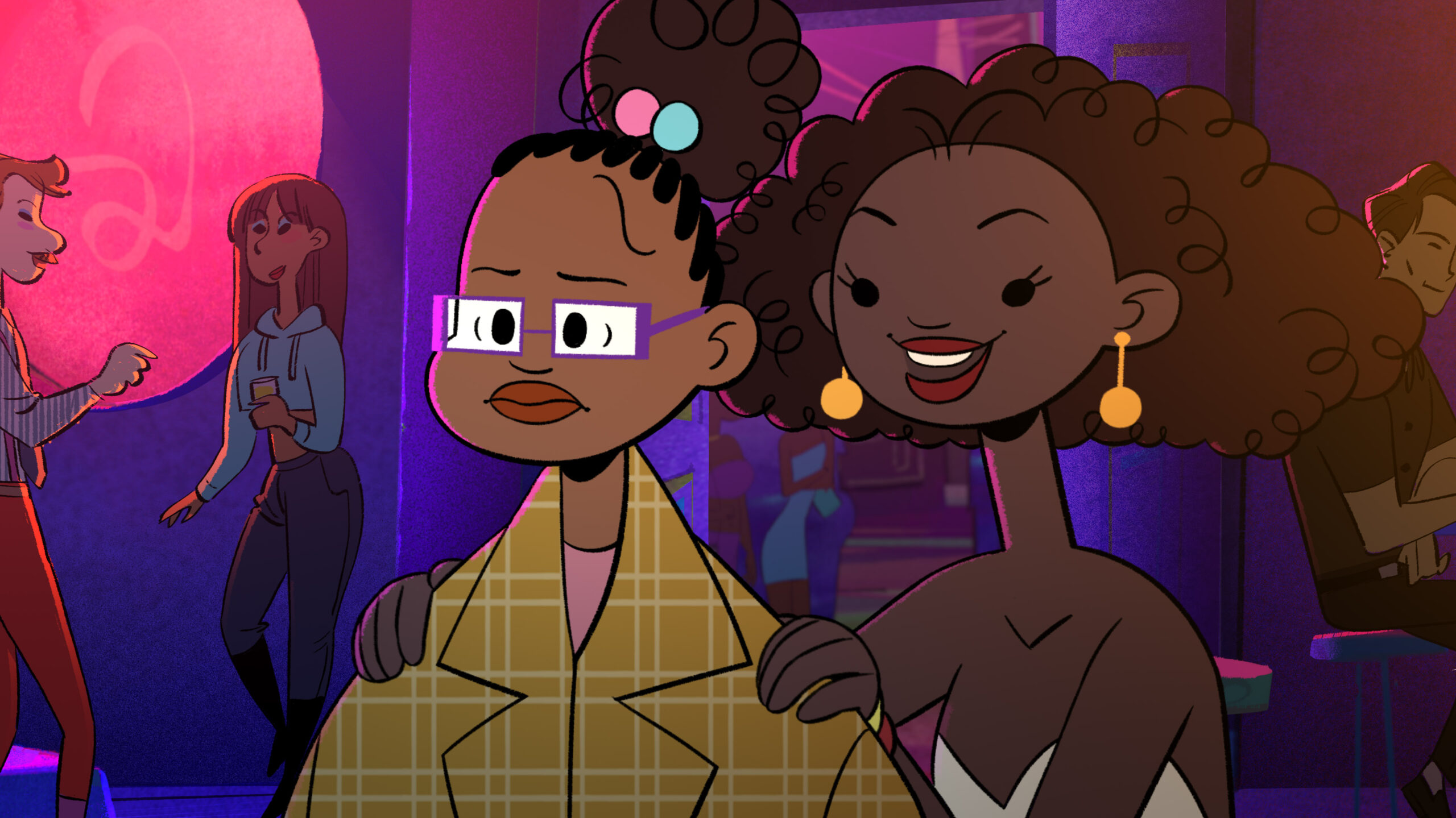
    Growing old gets old fast, as anyone past their mid-20s would know. The grass of adulthood isn’t as green as we all thought it would be as naive kids. There are lessons to learn, pressures to deal with, bills to pay, and norms to live up to. Growing old isn’t easy and Pixar’s latest short, Twenty Something, captures the pains of growing in the most meaningful way possible.

    Directed by Soul artist Aphton Corbin, the short follows Gia’s first night out as a 21-year old. In true Pixar fashion, the night doesn’t quite go well for her as the crippling anxiety adulthood brings soon takes over. And in truer Pixar fashion, there’s a conceit within the short that elevates it to a whole new level; Gia is made up of three kids walking under a trench coat – 1-year old Gia, 10-year old Gia, and 16-year old Gia. In the press junket, Corbin elaborates:

    I just love this idea of all these kids and what they’d look like stacked up in a trench coat.  Trying to navigate through life.  It felt like the perfect metaphor of trying to steer through life while hiding your insecurities.

    Through the eyes of Gia’s past selves, Corbin puts the perils of adulthood in focus; an insurmountable hurdle we must all jump over. Part of being an adult means being in control of yourself, both physically and emotionally, which 1-year old Gia is unable to do. For 16-year old Gia, it’s that yearning for social acceptance but being ill-equipped to handle socializing. All of this is beautifully realized by Corbin and her team and its powerful messaging cuts through the whimsy of it all.

    There’s even an added layer of complexity behind the cute representations of Gia as Corbin purposefully based them on psychoanalytic theory. In our interview with her, she said:

    I kind of based it on the subconscious. The id, ego, and super-ego. I tried to break the character down in that way. 1-year old Gia is the id; what does it want? Eat, sleep, and drink. 16-year old Gia is the super-ego who is super insecure all the time. 10-year old Gia is the level-headed one, the most confident of them all. Those three felt right.

    What makes Twenty Something stand out in an era of sleek, fancy, 3D Pixar shorts is that it’s in 2D. As I put it while speaking to Corbin, the short has a very nostalgic Saturday morning cartoon vibe to it, which only underlines the child-like yet complex messaging of it all. Corbin cited budget constraints as a driving reason but also referred to vintage cartoons as sources of inspiration.

    It was really inspired by older vintage cartoons specifically in the 60s and 70s.  We tried to get some of that charm and appeal into the design that we have there.

    With a short as evergreen as Twenty Something, it didn’t come as a surprise to hear that the story was somewhat autobiographical for Corbin, who took the plunge of directing something for Pixar for the first time with the short. Like a true artist, Corbin took all her fears and worries over something as monumental as directing and turned it into a beautiful piece of art.

    The whole thing is absolutely autobiographical. Gia was just me in my twenties, especially with the insecurity of directing for the first time. All those feelings came over me of like, “Oh my god. I can’t do this. This isn’t going to be a good movie.” And so it was fun to take those insecurities and put them into a film. It was very fun to put parts of me into that one character. I’ve never had anything quite as embarrassing as what Gia does in her first night out though [laughs].

    Twenty Something is out this Friday on Disney+ which I highly recommend you guys check out. It’s a beautiful short with a heartfelt message told in a really fun story.

  • ‘WHAT IF… ZOMBIES?’ Is the Closest To ‘MORTAL KOMBAT’  The MCU May Get

    ‘WHAT IF… ZOMBIES?’ Is the Closest To ‘MORTAL KOMBAT’ The MCU May Get

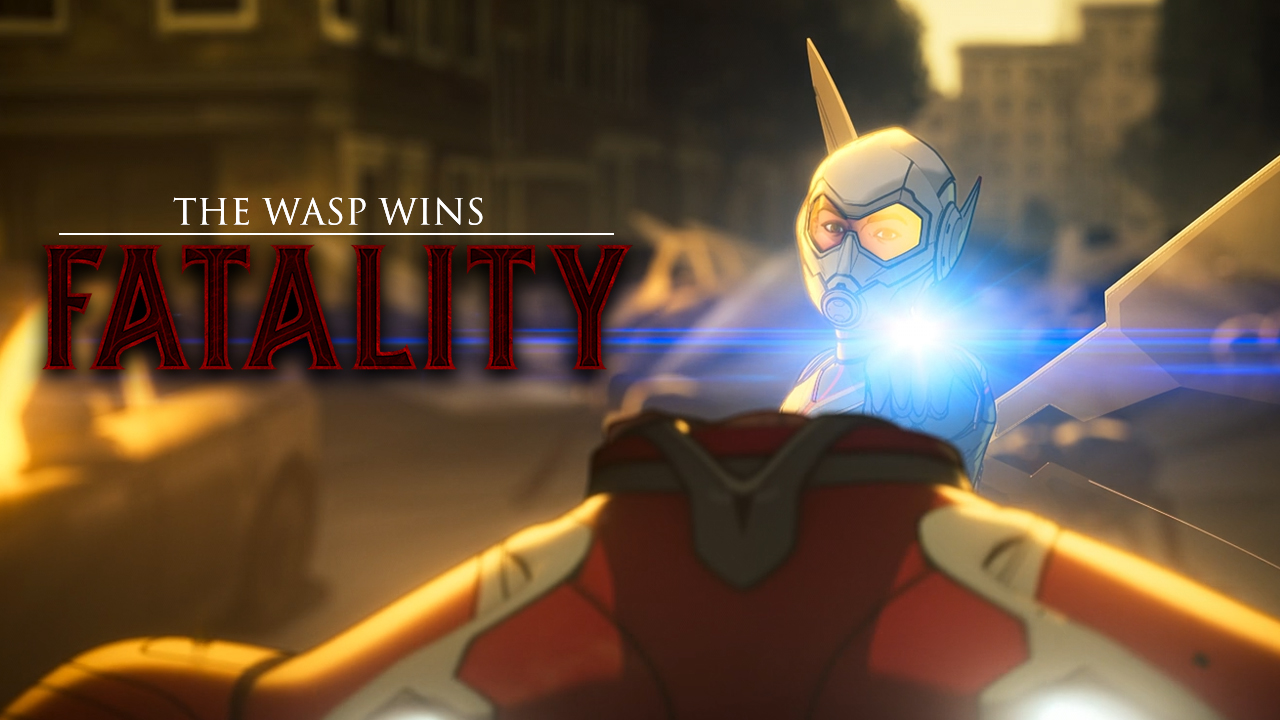
    Episode 5 of Marvel Studios’ first canonical animated streaming series What If…? featured one of the most widely marketed twists of the shows: zombies! Dating back to the earliest teasers for the series, the image of zombie Cap has haunted fans and been used to build hype for the series. While the episode wasn’t the strongest of the series thus far, it did include arguably the most intense and disgusting “deaths” to date in the MCU, showcasing another way that animation can change what the studio can offer.

    Put simply, animation+zombies = free reign to be about as gross as you want to be and the creative team behind What If…? ran with it like they were designing Mortal Kombat fatalities. The episode included two particularly bad cases of being cut in half (Sam Wilson and Steve Rogers were bisected longitudinally and transversely, respectively); Wong continued to trend of librarians from Kamar-Taj being relieved of their heads; and Hope van Dyne got especially nasty, using ants to strip the flesh from Ebony Maw, Cull Obsidian and Doctor Strange before decapitating Iron Man, repulsoring Happy in the face and then growing to full size inside a zombified Sharon Carter, resulting in a real gross mess. By the end of the episode, the body count was high and a couple of them might have made the final cut for Zombieland’s Kill of the Week.

    And this is all a part, albeit a gory one, of how animation can change the future of the MCU. Sure, zombies can be killed in live-action and still get a TV-14 rating, but can they be killed in such a spectacular array of ways in live-action? Maybe, but it would be much tougher to accomplish with practical effects or without bumping of the VFX budget. So, in this particular case, an animated zombie episode seemed to be THE best way to bring the Marvel Zombies to the MCU without blowing out the budget and allowing for the creatives behind the show to have some fun without a lot of restrictions. So while it may not have been the most complete episode of the streaming series, it certainly was fun and does showcase how animation can change the game for the studio going forward.

  • EXCLUSIVE: Fala Chen Talks Tony Leung and Being the Heart of ‘SHANG-CHI’

    EXCLUSIVE: Fala Chen Talks Tony Leung and Being the Heart of ‘SHANG-CHI’

    Shang-Chi and The Legend Of The Ten Rings features plenty of action. Each action set piece is bigger than the last until the film’s explosive third act. Now everything that leads into that action is surrounded by the heart of the movie: Jiang Li, mother of Shang-Chi, played by Fala Chen. Murphy’s Multiverse was fortunate enough to talk with Chen recently about her role, working with Tony Leung and more.

    Chen’s Jiang Li makes a big impact as the moral center of the film. Chen addressed how she stepped into that central role:

    I feel it was very natural for me to step into that role. I got to spend a lot of time with the cast prior to the beginning of filming. We trained together for so long that we hung out after our training sessions. We got to really know each other so well and we became best friends. So I think that really helped me to imagine some of the character I didn’t get to play with on screen but have a relationship with that was really helpful.

    Chen gave director Destin Daniel Cretton credit for not only helping her create what is an entirely original character but also creating an authentic vibe for Ta-Lo, they mystical realm from which Jiang Li hails.

    Then Destin (Director Destin Daniel Cretton), I have to give him so much credit for spending so much time with me to map out the journey of my character. He explained the backstories, and asked me what ideas I had for the character. There are imaginary backstories that we mapped out together. I feel like I was very lucky to not only play the character but have a lot of personal input as well. Here’s a small example particularly with the language. My character spoke Chinese in the film, and there are so many dialects in the Chinese language. Even with Jiang Li coming from Ta-Lo, which is a mystical village we wanted to be very specific about every word that she was using. It’s precise, it’s part of the spirit. The language we used is such an ancient, nuanced language we wanted to make sure it’s authentic. In order to do that we spent a lot of time with a translator. I had a lot of personal input in the translation of that. It was a lot of collaboration amongst us all.

    Chen absolutely stole the show in her role, a role, as it turns out, she never auditioned for as Marvel Studios was eager to work with her.

    I was offered the role and never had to audition for it, which was like, “What? “I was so honored and so happy. I almost didn’t even get the call that came through, because they’ve been tracking my availability. For a long time we didn’t know what the project was about. I had heard in the news that Shang-Chi was in the making, so I’ve been tracking it. We never know because they (Marvel) have been so secretive. I then went on a honeymoon with my husband. Then suddenly, my agent was trying to reach me and I didn’t hear from them for the longest time. Eventually we got a call from a satellite phone as we were literally out of this world, and they made an offer.

    Jiang Li’s tragic story was such a necessary part of this movie. It provides the context for Shang-Chi, Xialing, and specifically Wenwu’s journeys. The opening scene between Chen’s Jiang Li and Tony Leung’s Wenwu was a beautiful homage to Asian cinema. Chen talked about that scene and working with Hong Kong legend Leung:

    I have to say that was the most difficult scene to play but also the easiest thing to play. The difficult part obviously being the physical fighting. It was the intricate choreography and also being 50 feet in the air flipping around. Doing all that physically is really difficult as well as pretending to be such a master of a high power. At the same time the easiest part is looking into his eyes and just being a fan girl.

    Chen also echoed the sentiments of much of the film’s Asian and Asian-American cast when asked how she felt being a part of the production that brought Marvel Studios first Asian hero the big screen

    While I was a part of making this, I’m still kind of in disbelief that I’m lucky enough to be a part of this amazing story that’s going to be an historic film. Obviously not only for the Marvel Universe, but for especially the Asian-American community.

    Marvel Studios Shang-Chi and The Legend of the Ten Rings is in theaters now.

  • Shang-Chi: New Avenger

    Shang-Chi: New Avenger

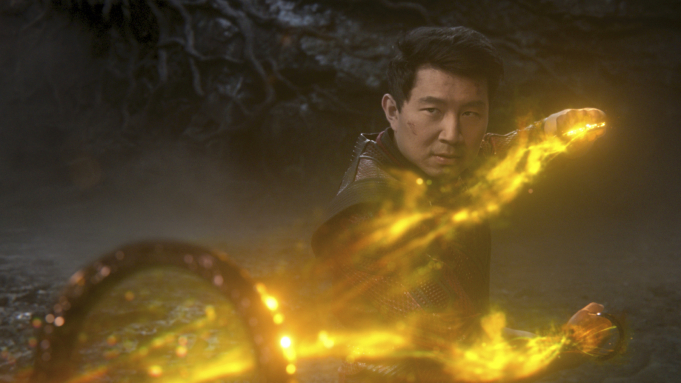
    As we find out in Shang-Chi and The Legend Of The Ten Rings, the titular hero is up to the task. With some help from his sister and the good people of Ta-Lo, a disaster of epic proportions is avoided. When the film wraps up we see Shang-Chi and Katy being picked up by Wong for a trip to the sanctum. What occurs next is a big step for not only the MCU, but Shang-Chi’s development as a new Avenger.

    As Wong is explaining to Shang-Chi and Katy the nature of the ten rings, we get a nice surprise. Captain Marvel and Bruce Banner are there via video screen a la Endgame. They’re also advising on the situation. The rings are described as very old and very powerful, as we saw Wenwu use to devastating results in the film. Something in those rings apparently acts as a beacon sending a signal. What that scenario means for the future of the MCU is a great question, but the immediate story here is fascinating: Shang-Chi is an asset to the team.

    The Avengers after the events of Endgame are all off dealing with smaller issues. We have plenty of individual stories that have begun to reconnect the larger group: the events happening on Earth, in the multiverse, and eventually space. How all of these things connect to an eventual bigger team up will be quite the undertaking. Seeing Shang-Chi after his first film essentially make his way to the team is our first hint at the future.

    Wong’s role in the film as a teacher is another story to watch. It’s clear that Wong in the fight with the Abomination is giving pointers to him like a trainer. Wong then advises Shang-Chi and Katy while also welcoming them to the team. It’s clear that Wong’s MCU role has also expanded. What that might mean for Dr. Strange is quite the topic down the line. Nonetheless, Shang-Chi and The Legend of The Ten Rings is more than just an introduction. It’s a sign that things in the MCU are evolving, with new faces and new Avengers.

  • ‘DUNE’ Is More Relevant Than Ever And Worth The Wait

    ‘DUNE’ Is More Relevant Than Ever And Worth The Wait

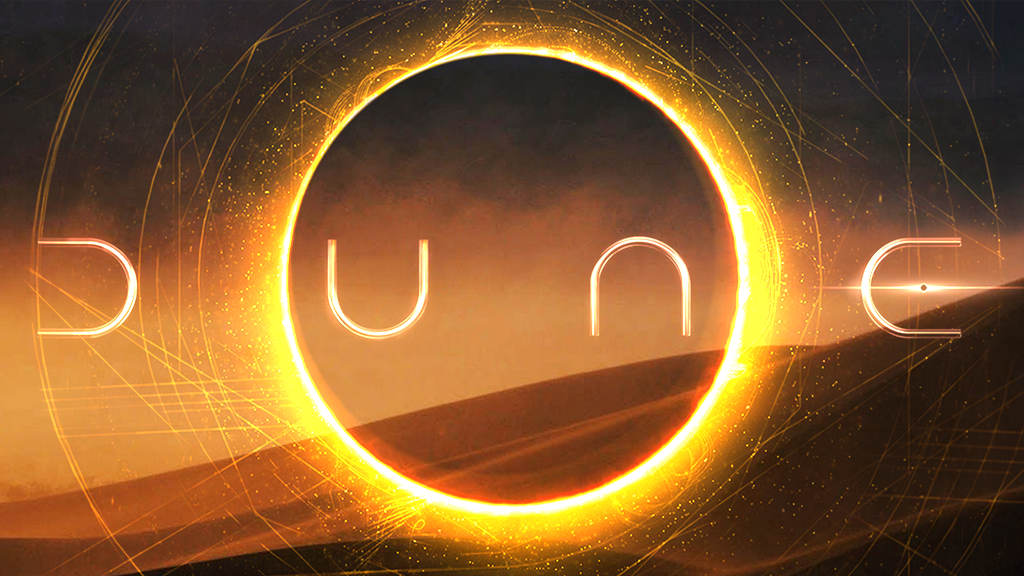
    Dune is a book legend. Next to Isaac Asimov‘s Foundation and Arthur C. Clarke’s 2001: A Space OdysseyDune is the most influential sci-fi book ever written. Social media discourse has repeatedly compared Dune to Star Wars or Game of Thrones, but the truth is that if it were not for the existence of Frank Herbert’s masterpiece, we never would have seen those films. The themes and issues handled by Frank Herbert in his books could be talked about at length, but for now, let’s focus on the debut of the 2021 film adaptation, which premiered at the Venice Film Festival. The buzz surrounding the movie provides a good opportunity to talk about Frank Herbert‘s Dune and why the upcoming Denis Villeneuve adaption is worth the wait.

    Dune is a coming-of-age story of a young man named Paul Atreides who is frightened of leaving Caladan – his home planet full of water and a variety of life. House Atreides is supposed to go Arrakis, also known as Dune, which is a desert planet with a rough ecosystem. However, Dune is full of spice called melange, a psychoactive chemical that is the main natural resource in the entire Empire. Melange enables interstellar travels and without it, the economy of the empire would collapse. As soon as Paul enters the Arrakis’ environment imbued with spice, his powers awaken.

    This contrast between Caladan and Dune is very relatable and easy for the audience to identify with. Most of us live in an inhabitable environment. We don’t have to wear special stillsuits to keep us moisturized, and gigantic sandworms aren’t our daily window view. The chaotic environment of Arrakis led Villeneuve to draw some parallels to Earth’s own changing climate:

    No matter what you believe, Earth is changing, and we will have to adapt,” he says. That’s why I think that Dune, this book, was written in the 20th century. It was a distant portrait of the reality of oil, capitalism, and exploitation, or even overexploitation, of Earth. Today, things are worse. It’s a coming-of-age story, but also a call for action for the youth.

    Behold Dune: An Exclusive Look at Timothée Chalamet, Zendaya, Oscar Isaac, and More, May 2020

    Dune is a story about self-adapting to the new environment with a metaphysical journey into deep human self-consciousness. It is also a story about teaching society to love the planet and that nature is true power and even a god to humans who must live in symbiosis with it. The next few years in Hollywood will see an increase of films tackling environmental issues and climate changes. Nowadays, we don’t see many tentpole movies addressing these issues and fears of our planet warning us.

    Frank Herbert predicted many modern problems such as overexploitation of Earth, the short-termism of capitalism, monopoly, religion interfering in politics, and of course —environmental threats. Dune teaches us how to love our planet and that even the roughest environment has some wonders. Shai-Hulud (the Fremen term for a Sandworm) is the synonym of God, showing that nature is a true god to people, and we can’t interfere with the ecosystem. Naturally, melange is a great analogy to oil, which is the most important resource in our world. Herbert doesn’t hide his anti-colonial statements in his book and shows House Harkonnens as brutal colonizers who murder indigenous peoples for power and resources.

    In Herbert’s books, we don’t also see computers or androids because of an event called Butlerian Jihad, a war between humans and thinking machines. Herbert’s main goal was to show how humans can develop their minds and consciousness over the next 20,000 years into the future. In the Dune universe, human computers named Mentants, serve as war strategists and the rulers’ left-hand. The right-hand is usually occupied by the Bene Gesserit Sisterhood which is the pseudo-religious organization of all-women. Even if Dune presents a patriarchal society, Bene Gesserit is a great example of a feminist view of Herbert. Despite the fact that their idea was always to serve, the truth is they controlled and manipulated the empire over the centuries.

    Their goal was to create Kwisatz Haderach – a male Bene Gesserit, who would be able to see the future. They also used religion as a form of defense, seeding their Missionaria Protectiva to a more primitive culture so that the Sisterhood could take advantage of them when those seeds grew to full-fledged legends.

    Although no aliens appeared in Dune (they were only hinted at in the encyclopedia), the books feature strange society groups. Such societies include the guild navigators, who resemble human beings in no way, as the large daily portion of melange has turned them into strange, “fish-like” creations. Another such group is, of course, the Bene Tleilaxians, who looked more like vampires than humans.

    Their society has isolated itself from the Landsraad and closed itself off from their culture, practicing genetic modifications, which are not necessarily ethical. Then, of course, we have Leto II, who at the end of his life also did not resemble a human being. That, however, is a story for another time. It’s both fascinating but also a little scary that for so many thousands of years humanity never encountered alien civilizations, though they had a plan for a potential form of defense against them). Humanity has evolved to the point where at some point there is no longer any definition of a human being besides passing the Gom Jabbar test.

    Moreover, Herbert tackles the problem a criticism of authority and blindly following messianic figures. For the most part, Paul’s journey is very Cambellian but as the storyline progresses, Herbert deconstructs that narrative at the end of the book. Dune is not a white savior story about the chosen one. Herbert’s criticism of messianic figures is addressed to people and society who create their religious myths and legends about their leader.

    In the 1960s, there was a group that practiced drug orgies (and more) to unite around the ideology of their “chosen one.” The group even killed in his name: the Manson family. Admittedly, Dune was written before the murder of Sharon Tate on Cielo Drive, but you can see how Herbert foresaw and the attitudes he criticized in his work – not to follow individuals, imposing their religion, ideology on you as the only right and unquestionable one. It just so happened that in 1969, which is when the tragic event in Polanski’s home occurred, Herbert releases Messiah of Dune, which takes on jihad (i.e. religious warfare) and the deaths of billions of people in the universe that resulted from Paul’s actions as the messiah of the Fremen.

    The QAnon phenomenon is also connected with the themes of Dune (there’s quite a good docuseries on HBO MAX about that which I recommend). Although QAnon and Paul Atreides don’t have much in common, the cult and religion that surround them do. It points out how dangerous a religious and almost sacred perspective on authorities can be, especially when it’s paired with politics. Even if the Dune: Part One isn’t adapting the whole book but two-thirds, we may see some seeds and of that theme.

    Dune is probably one of the last chances for a new and ambitious sci-fi series in Hollywood. Blade Runner 2049 was a box office fiasco and many people have already doomed Dune to the same kind of failure. The pandemic and simultaneous distribution don’t help the overall situation, but Dune being a financial disaster is the last thing I’d like to see. It’s an amazing universe with a great potential for sequels, spin-offs, and prequels. The entire franchise has the opportunity to become something fresh in the mainstream, knowing that Dune isn’t a typical sci-fi story. Seeing all the praise coming from Venice, the only thing I can do is encourage you to go to the cinema or legally stream Dune which will surely be the defining blockbuster of this decade.

    Dune will theaters and HBO Max on October 22nd.

  • ‘SHANG-CHI’ Sets Meng’er Zhang on the Path to Stardom

    ‘SHANG-CHI’ Sets Meng’er Zhang on the Path to Stardom

    As Shang-Chi and The Legend of the Ten Rings opens across the globe this weekend, Marvel Studios’ fans are being introduced to an incredible roster of characters. Star Simu Liu brings charisma and a likability to a character neatly modernized for the Marvel Cinematic Universe. While Awkwafina, who seems to be making an impression on every available medium, makes a splash and commands a return appearance as Shang’s BFF Katy. And Hong Kong legend Tony Leung, the film’s true protagonist, gives a rich and unforgettable performance. Standing out among them all, however, is newcomer Meng’er Zhang.

    WARNING: SPOILERS FOLLOW

    From Tweets, Tricks And Superhero Poses: Shang-Chi Cast On How They Nabbed  Their Marvel Roles | Geek Culture

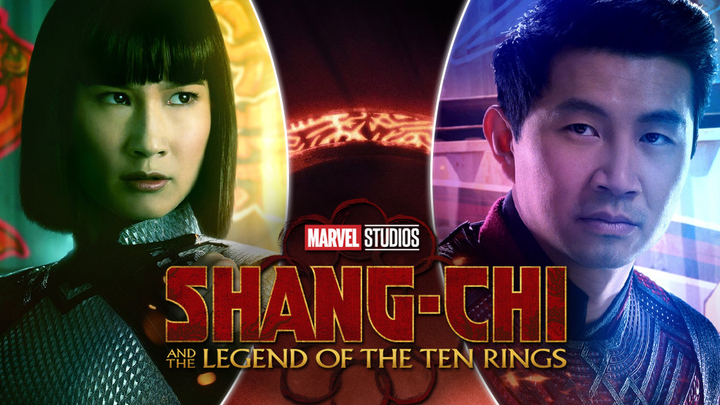
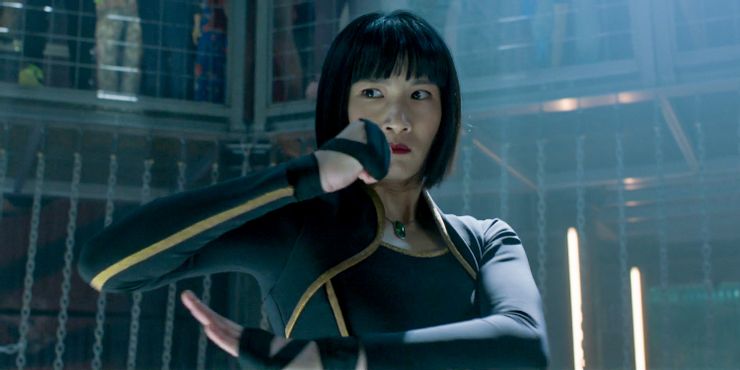
    Zhang plays Xialing, estranged sister and daughter to Shang-Chi and Wenwu, respectively, and a character every bit as formidable as her headlining brother despite her father’s efforts to relegate her to the background. Zhang’s performance as Xialing sets her on an ascending pathway that sort of resolves itself in the film’s post-credit stinger while also setting the stage for Zhang to reappear, potentially in the near future, as the lead in her own project.

    And the best part about Zhang’s potential next appearance is that, despite her willingness to cooperate with her brother in the film’s final act, it will probably put her at odds with Shang-Chi. As the film concludes, Shang-Chi is under the impression that Xialing has set about the business of dismantling their late father’s thousand-year-old organization, the legendary Ten Rings; however, as the film’s stinger reveals, Xialing has gone her own way, reimagining the organization rather than destroying it.

    Disney Plus has opened new storytelling avenues for Marvel Studios. WandaVisionThe Falcon and The Winter Soldier, and Loki have all proven to be successful efforts in continuing the stories of non-lead characters. In light of this, the next chapter in Xialing’s story feels like a perfect fit for Marvel Studios’ continued dive into the streaming world. A Xialing-centric series would be a perfect addition. It would offer an opportunity to establish not only Zhang’s breakout character’s place in the MCU, but also backfill the history of the organization she now finds herself heading up, all while advancing the story for her inevitable confrontation with her brother.

    All of this, of course, thrusts newcomer Zhang into the spotlight. And for that, she seems especially prepared. Zhang has remained cool and unphased during her ascendancy to stardom, handling her interviews with equal parts rookie enthusiasm and veteran smoothness. As has often been the case for the studio over the years, Marvel Studios seems to have struck gold with the casting of Zhang, allowing it to move confidently towards the future of her character in an interconnected universe that can only be made stronger. Zhang has blazed a bright trail into the future both for herself and for Xialing, and audiences should rightfully be looking forward to what’s next.

    Marvel Studios’ Shang-Chi and the Legend of the Ten Rings is in theaters now.

  • How ‘SHANG-CHI’ Reinvented the MCU Origin Story

    How ‘SHANG-CHI’ Reinvented the MCU Origin Story

    With the introduction of Shang-Chi and the Legend of the Ten Rings’ titular character, now is a good time to explore the way that the MCU has been gradually replacing the classic superhero origin story historically used for the film introduction of all-new superheroes. Shang-Chi was a triumphant departure from this device, but it is hardly the first time the MCU has experimented with it. With Phase 4 ramping up, it is becoming more and more clear that Marvel plans to update its creative vision to give us new characters that aren’t weighed down by what often felt like obligatory narratives all cut from the same cloth.

    Because scrapping traditional origin plot lines will give any film more room to run, what Marvel has in store for us and its characters in the future will surely be marked by even more innovative, vibrant, and accelerated storytelling that opens the door for stronger MCU-wide connections between properties.

    The proverbial hero’s journey has pervaded nearly every film in the superhero genre at large—no studio, no property, no character was immune from this model of storytelling. In the very simplest of terms, the common template of the hero’s journey sees the ordinary protagonist receive a call to adventure, experience fear or uncertainty, meet a mentor, cross the threshold to embrace this new adventure, go through trials or challenges and reach rock bottom before utilizing the lessons learned along the way to transform into a better version of themselves.

    Giving credit where credit is due, the hero’s journey template is a tried and true storytelling technique, which is obvious from the fact that superhero movies have been genuinely loved for decades. The problem rears its head when a large number of films of the superhero genre start to saturate the movie landscape and the origins start to feel like they simply repeat themselves over and over again.

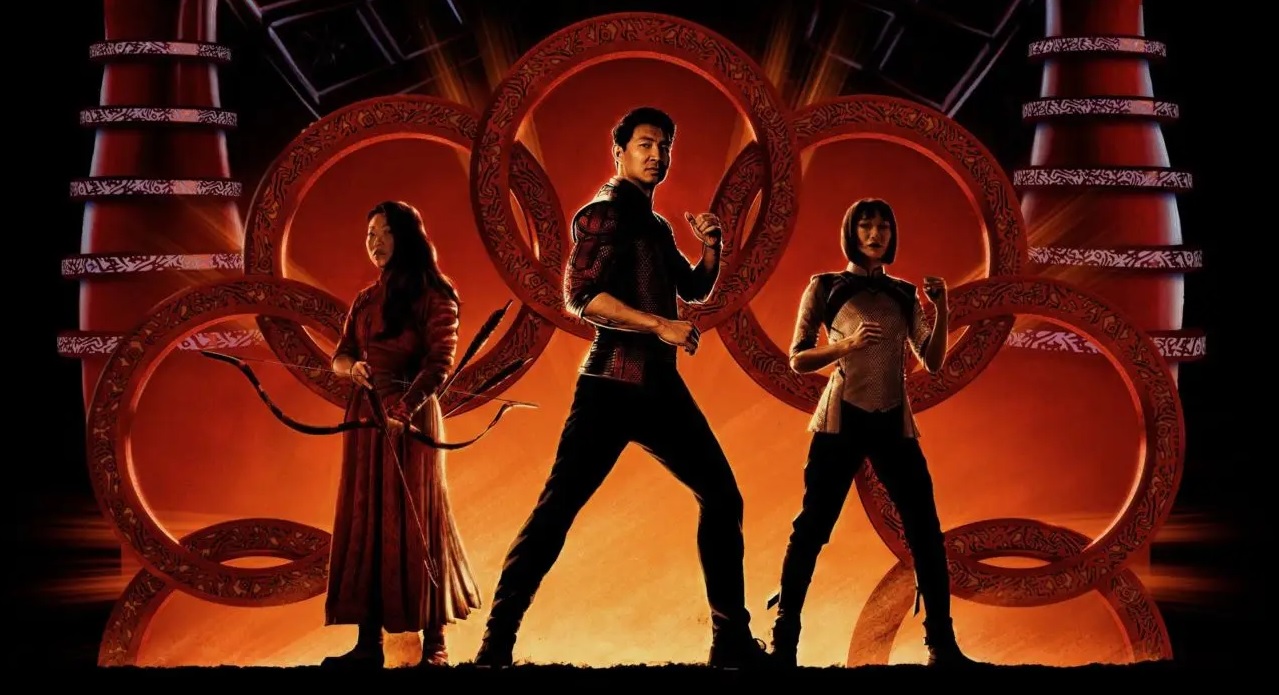
    Shang-Chi just represented a different way to approach a character’s introduction. Instead of being an ordinary guy who has to discover, learn, and conquer what it is that makes him “super”, Shang-Chi is already established. While he is brought back into Wenwu’s Ten Rings empire, his backstory is generally accepted to be just that—his backstory. While flashbacks were heavily influential as to weaving enough history in as to complement and supplement the ongoing surface story, the real narrative was of an already expertly trained martial artist drawn back into the family he escaped.

    The result is a film that doesn’t merely explore, “Who is Shang-Chi and why is he Shang-Chi?” but instead a story that was just as much an epic of the legacies of his parents as it was his journey to find himself within that stage. If anything, the film shifted its focus away from its titular character more than expected. So, overall, instead of another hero’s journey, we ended up with a multi-level mythical action flick that incidentally added another leading superhero to our repertoire.

    While it is a masterful example, Shang-Chi is by no means the first MCU film to experiment with how to introduce new characters without the classic narrative constraints. It arguably started with Spider-Man: Homecoming, and it has not let up much since. Homecoming, Black Panther, Captain Marveland of course, Shang-Chi have all had the privilege of telling their titular character’s story in a more inventive way. Homecoming itself is a useful illustration that highlights two major ways that the MCU is reconfiguring the origin story model.

    First, giving the character a soft introduction in Captain America: Civil War bypassed a lot of the forced introductory periods in origin movies. In Homecoming, it was pretty remarkable that we had a Spider-Man movie without the very well-known spider bite and Uncle Ben origin. At the time, it was a refreshing break from the seemingly constant resting and retelling of the character, and it gave Peter a leg up in terms of how expansive the solo story could be. The character of T’Challa and Black Panther also benefitted from the Civil War school of fun-size introductions of major, major players. Instead of Black Panther needing to use up time to explain Wakanda and the concept of the Black Panther, the film was eager to virtually start from any place it chose.

    Like Shang-ChiBlack Panther was able to weave a story far more complex and expansive, spiritual, familial, and cultural than one that would have only focused T’Challa and his beginnings. The new Disney+ series are clearly also using the platform to lay enough foundation for the characters before they introduce or re-introduce them into the film slate. Who could argue that the upcoming Captain America 4 won’t dramatically benefit from having already watched Sam’s journey to wearing the stars and stripe in The Falcon and the Winter Soldier? Or that Kang’s (re)introduction in Ant-Man and the Wasp: Quantumania won’t be so much more anticipated and meaningful?

    The second way that Marvel is reinvigorating the origin story is by taking advantage of the extensive universe of characters and concepts that it has now spent well over a decade building. Allowing new characters to immediately build off of existing characters or existing but unexplored story arcs is a gamechanger. That luxury is obvious in all of the big “team up” films including the entire Avengers collection and Civil War, but it also plays a subtler role in bolstering the backstory and available stories of new characters. Not only that—while not as flashy as the final “Avengers Assemble” moment in Endgame—this strategy applied to origin characters can strike efficiently and relatively unnoticed, so that a smooth “nontraditional” solo film can come to life.

    Though not without criticism, Spider-Man’s close relationship to Iron Man in Homecoming no doubt provided a more detailed and creative story for the young web-slinger that we haven’t quite seen over the course of the constant Spider-Man film release since 2002. Captain Marvel clearly benefitted from creating a lasting connection with the foundational MCU character, Nicky Fury. Shang-Chi placed itself within the pre-existing Ten Rings backdrop and also used Doctor Strange’s Wong to tie the film to the greater film universe. These movies were able to bypass the tempting template they had at thier disposal for a superhero origin film, and they were able to feel either somewhat like an origin’s sequel or an extended back-half of a “traditional” origin film, filled with more plot substance and action. 

    With the ability to create so many crossovers and connections throughout any movie, there also comes pressure to not fracture the well-woven existing MCU by producing classic origin films that feel isolated from everything else that MCU moviegoers are exited for. Some thought that Shang-Chi would be too unconnected from the MCU and wouldn’t be up to Phase 4 expectations. They were wrong on several levels. But, by soft introducing characters and utilizing the vast and vibrant connections already formed in the MCU, new characters can be more delicately and strategically placed within the existing universe and feel at home in it almost from the very beginnings of the character.

    The legacy of Shang-Chi and the Legend of the Ten MCU Origin Stories (this works, I counted) is the MCU’s evolution in terms of innovative and creative ways to approach superhero origin or introduction films. Overall, the result is a stronger and more cohesive universe, with new characters being delicately placed within it ready to go. The nature of superhero movies is evolving along with the MCU, and the MCU is never immune to the current and arguable over-saturation of superhero entertainment. The fact that Marvel Studios is choosing to be imaginative and explore new ways of telling stories that have long found success being told in the same way is a good sign of the new characters and their solo films to come. Right now, we can all enjoy the studio’s spectacular work on Shang-Chi and the Legend of the Ten Rings. 

  • Connecting Imaginary Dots: Marvel Studios and One-Off Specials

    Connecting Imaginary Dots: Marvel Studios and One-Off Specials

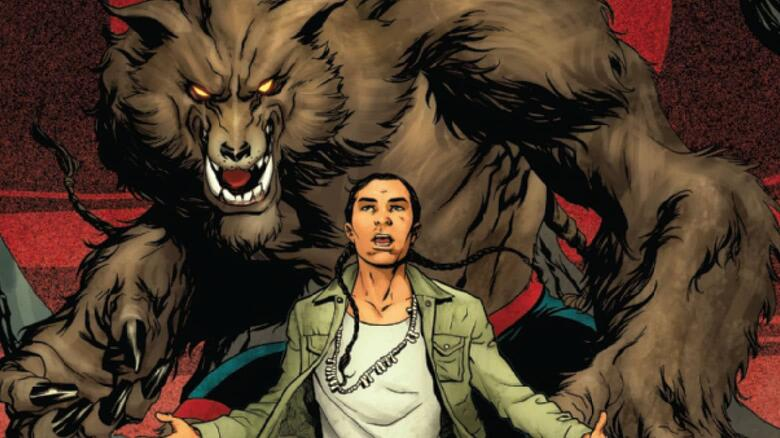
    Marvel Studios could be using one-off specials on Disney+ to introduce new characters before they appear fully-formed in theatrical releases. The multiple reports that Marvel Studios is working on a Werewolf by Night Halloween Special for Disney+ suggest the studio could be expanding beyond traditional streaming series to formats that will allow more inventiveness in their theatrical releases. The evidence isn’t definitive at this point in time, but let’s take a look at what there is and see how it might play out beyond the projects we know about. 

    The Cosmic Circus reported earlier in August that Werewolf by Night would be a Disney+ project using Natural History Productions LLC as its production company and a February 2022 filming start date. But then The Wrap reported last week that the Werewolf by Night Disney+ project would be a Halloween Special. This prompted a reevaluation of 10 possible Marvel Studios LLCs that have been incorporated since the beginning of April.  Natural History Productions is listed as a “DTC STREAMING PRODUCTION” while other Marvel Studios’ LLCs are listed as “DTC SERIES”, meaning this designation could indicate Disney+ specials have a particular registration. 

    With that in mind, it seems logical that there would be less than a year between a special airing and a theatrical appearance from the same character. So what could be filming in 2022 that could feature Werewolf by Night? Blade is currently scheduled for a July 2022 start, putting it on track for the October 2023 release date. The origins of both characters are connected to the Darkhold, as vampires and werewolves were created using the book of the damned in the comics. It is possible we might see similar traces of lore as the book travels from Wandavision to Doctor Strange in the Multiverse of Madness. Both Werewolf by Night and Blade have also been members of Midnight Sons in the comics. It remains to be seen whether the actor that is cast as Werewolf by Night will appear in Blade, but it’ll be exciting to look out for it! 

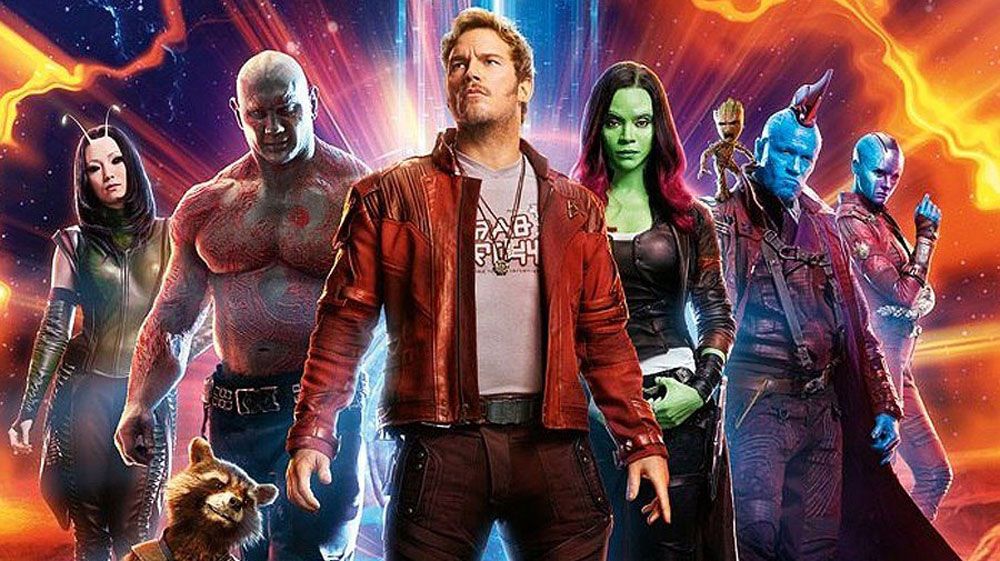
    What about the other special we know about? The Guardians of the Galaxy Holiday Special will release in December 2022 while Guardians of the Galaxy Vol. 3 is set for release May 5th 2023, continuing the speculated pattern of less than a year between special and film. James Gunn has said that it will contain “stuff you’ll need to know ahead of Guardians 3.” This perhaps emphasizes the point about specials introducing someone or something ahead of a theatrical release.

    So what stuff could we need to know before Vol. 3? Maybe we’ll spend some time with Adam of The Sovereign from the Vol. 2 post-credit scene, or perhaps we might be introduced to a villain, event, location or event that will be important for the film. As it is filming with Guardians Vol. 3 and using the same sets, it is likely the holiday special won’t have a separate LLC, as it won’t need separate accounting so will probably use Infinity Productions III LLC. 

    This doesn’t stop us from speculating on what the other LLCs not listed as DTC series could be. It’s by no means guaranteed they’ll be specials as Natural History Productions LLC is with Werewolf by Night. For the fun of speculation, let’s keep them as specials connected to a film or series starting to film within 12 months of the special itself filming. Taking on board the filming date of Werewolf by Night and that each of these LLCs were incorporated in April 2021, it’s likely both the specials and connected film/series will begin filming in 2022 or early 2023. So let’s speculate about what specials On Your Mark Productions LLC, Battle Anybody Productions LLC, and Acid Pop Productions LLC could be. 

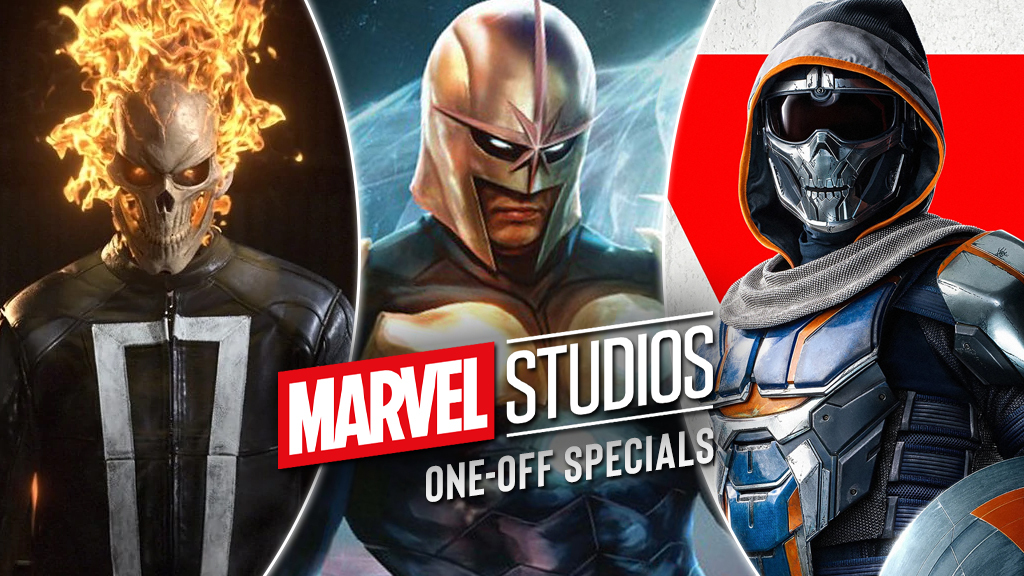
    Although it seems like On Your Mark Productions LLC might be related to Ghost Rider, there is a better LLC match. As previously explored, Richmond Street Productions LLC, which is registered as “DTC SERIES” could be referencing the first appearance of Danny Ketch, indicating a better connection. The Human Rocket known as Nova could be suited to On Your Mark Productions, but where could he appear soon? With The Marvels releasing in November, perhaps there might be enough time after that finishes filming to produce a special to give some background on Richard Rider before he appears fully formed.

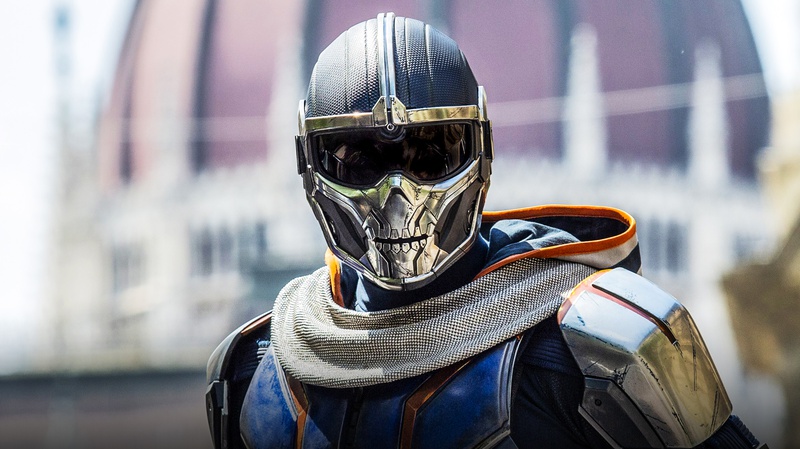
    Battle Anybody Productions LLC could seem to fit the former commander of the Red Room who has experience in mimicking fighting styles to fight anyone that comes at her. It might also fit Contessa Valentina Allegra de Fontaine who is seemingly building a team ready to take on any threat. Perhaps Toni Masters (formerly Dreykov) is using her skills learnt from muscle memory to instruct low-level associates of organized crime when Val recruits her. This could easily be some backstory that we see filled in before appearances of both in Captain America 4 perhaps. 

    Lastly, Acid Pop Productions LLC has a Harry Potter connection as The Cosmic Circus pointed out. The most immediate reference there could be to Young Avengers which we have speculated could be using Blueberry Waffles Productions LLC through young heroes connected to magic. Perhaps this special could be an introduction to Billy Kaplan and Tommy Shepherd as they exist in the MCU after Doctor Strange in the Multiverse of Madness and before the Young Avengers series itself. 

    None of this speculation is assured by any means. It might be that these specials introduce an event, concept, or location, as recent Legends episodes have focused on The Tesseract and The Avengers Initiative. Or perhaps if a special is successful enough it might spin off into a full series. Perhaps specials themselves might be strung together as an anthology like BBC’s Small Axe before a theatrical film introduces a team-up. This speculation does perhaps point to increasing ways Marvel Studios might be creatively using their platform on Disney+ which could, in turn, enable them to innovate around their films.