Category: Features

  • REVIEW: ‘TITANS’ Season 3 Episode 6 – Lady Vic

    REVIEW: ‘TITANS’ Season 3 Episode 6 – Lady Vic

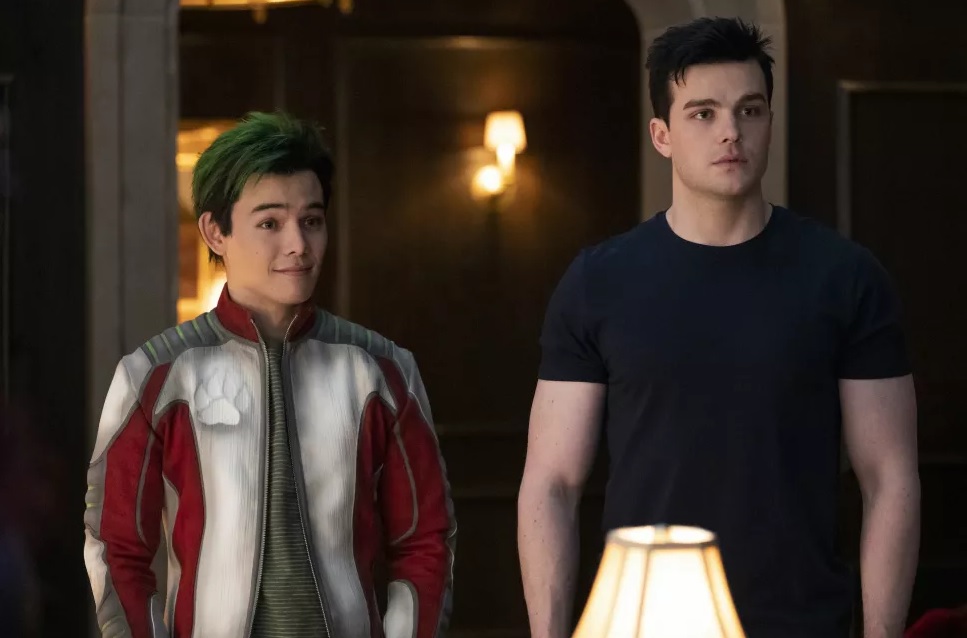
    Rounding out the first half of Season 3, Episode 6, “Lady Vic”, teaches us that the tragedy of Titans is that history seems doomed to repeat itself time and time again. With an entire season’s worth of story focused on the workings of Gotham City, nothing seems to move on—the villains and emotional anchors are old Gotham standards that are lingering around for Titans without effort or unique takes on familiar stories. The Titans themselves are falling into circular rhythms as well. Episode 6 has a few other notable features but it is undeniably and inescapably all about the Robin complex. The “be a better Batman” marquee slogan of this season is wildly ironic at this point. There is absolutely no problem with irony but Titans has to be somewhat intentional with it before it can land.

    First, Kory and Blackfire’s continuing arc is pretty frustrating. It is abundantly obvious that Blackfire’s presence will backfire sooner rather than later, yet Kory keeps her around in Wayne Manor with her new family and hopes for the best. It feels very forced, awkward, and lazy to have her evil sister simply start existing within the Titans framework with so little context for her being any kind of beneficial to the season’s overall plot.

    Unfortunately, the villain situation continues to devolve. While the duality of Jason and Scarecrow was already diluting the evildoing, now the two have split up and have vaguely different goals based on the same original plan. Yet, what exactly are their goals? To take over Gotham? To what extent? To what end? One of the last notes we get on this subject is Jason uncomfortably standing on the street and watching other people commit crime after using the anti-fear gas. The one villain-related device that the show did utilize well was emphasizing newcomer (to Titans) Lady Vic’s violence. In her scenes, the show uses a lot more blood and gore than it has been using this season. Because the style actually stands out, it made that aspect of Lady Vic more pronounced and maybe the character punchier, which is sorely needed considering that otherwise, the character is almost entirely blank.

    Make no mistake, Titans Season 3 has kept one major theme alive and (sometimes?) well—the Bat Family, specifically all Robins, are doomed to drown in the endless cycle of Bruce Wayne’s dark influence, self-doubt, angsty outbursts, returning to Bat origins, succumbing to Bruce Wayne’s dark influence, self-doubt, and on and on and on. The whole saga of it in Titans is such a fine example of rinse and repeat. While the tedious repetition of the plot that is history repeating itself without self-awareness could probably be saved, though, if the show leaned into it aggressively. 

    But before that, the rinse and repeat of even just Dick Grayson this episode is almost all-consuming. Much of the episode explores his past romantic relationship with Barbara Gordon while he was still Robin and before she was Batgirl. To be fair, there is a solid tension between the ease of their past relationship and their current one which is defined by the two having more responsibilities and the respective Bat-related paths they each took. This is truly just highlighting that Dick is taking the “bad Batman” approach because Barbara really did some soul-searching and ended up going the Commissioner route because she realized the Bat situation was toxic. The two still seem circularly doomed to fall back into their old romantic relationship, though, but optimistically maybe not. But they probably will.

    The next obvious “things will never change” item is Dick hunting down Jason and Scarecrow alone and getting shot—as mentioned for the previous episode, there is non-stop chatter amongst the Titans that no one can go out and do dangerous things on their own because they are all, you know, a team and a family. But Dick does not seem even slightly regretful about it, which basically screams, “Look it’s Batman” yet again for him this season. 

    The theme we are almost exclusively drowning in is, quite frankly, that the Bat people have a lot of problems with themselves and others. Specifically, the Robins each spiral and leave the life and thus open space for a new Robin to be indoctrinated. This is perfectly played out for huge Batman and Robin fan Tim Drake’s introduction as he is violently orphaned due to Jason really letting his personal spiral infect the entire city. Titans has called out this Robin theme for years but very zealously since Episode 1 of this season. But nothing yet has changed with that story. All the Batboys are looking to be better Batmen, but Titans this season has only wanted us to know that Batman is absolute garbage, so they clearly aren’t working with much.

    Listen, despite the fact that the story seems to be maybe unintentionally repeating itself with no sense of purpose, it does still have potential to be something quite good. If the show can explore the tragedy of the doomed Robins with much more grit and darkness—and come out of it with some sort of redeeming lesson or at least somewhat differently-ending arc—we could get a genuinely compelling “be a better Batman” situation. A very dark and violent depiction of the existential meltdown of the Bat-Family, referencing the unavoidable toxicity and self-torture that being a Bat person carries, could be great. 

    Right now, it seems like the show either is not or does not want to take full advantage of that potential arc—that would be fair if it was not completely overtaking the entire show anyway. Titans may likely be ignoring or neglecting the situation it has created, which would really cause the whole thing to flop. Being more self-aware and fully embracing the irony of Dick’s and Jason’s (among others’) stories—in other words, leaning very hard into it—could make it all worth it in the end. 
  • What If… It All Leads To Secret Wars?

    What If… It All Leads To Secret Wars?

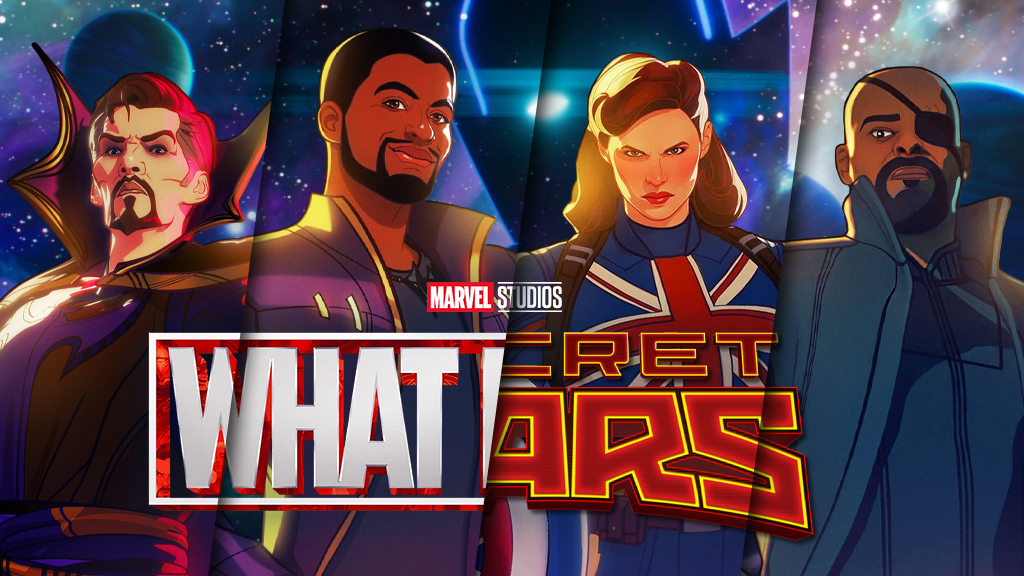
    With four episodes behind us, Marvel Studios’ What If…? is slowly but surely becoming a staple of Phase 4’s approach to the Multiverse. What, for some, was initially seen as a minor entry in the MCU, is not only allowing for the exploration of alternate realities in a way only animation allows to but also building some of the foundations of future live-action events. As the Marvel Cinematic Universe turned into the Marvel Cinematic Multiverse, branching out its storylines deviating from the Sacred Timeline, the path ahead of us could be one similar to our own Universe’s.

    Following The Big Bang, one of the theories regarding the ultimate fate of the universe is The Big Crunch, where the average density of the universe will be enough to stop its expansion and the universe will begin contracting. The storylines could then eventually begin to merge, bringing together characters that weren’t ever supposed to exist in the same timeline. But such an event, that could very well be an adaptation of Jonathan Hickman‘s Secret Wars (2015) comic book storyline that deals with a similar premise, in order to connect with audiences the way it should, people need to care about the characters, both new and old ones. The gimmick of introducing Captain America or Spider-Man variants could be a fun one to experience, but it’s only by devoting time to each of those characters beforehand that their appearance might mean something more.

    So being, the timelines explored so far in What If…? have eventually left us with a focus on a central character, that while maintaining a few of the traits already seen in the movies have gone through very distinct experiences that ultimately left them in a different place in their life. When and if they do manage to show up down the line on a live-action project, their motivations and impulses will have been properly explored allowing for more dynamic interactions and for the movie itself to hit the ground running as only minimal exposition will be required. 

    A project of this size and scope could still be years away, but with What If…? planned as an annual release on Disney+, it seems the waiting time will be well spent, with more characters added to the MCM roster every year, as we all await a possible Russo Brothers return for what might be the mother of all crossover events. A Marvel Studios led Secret Wars.

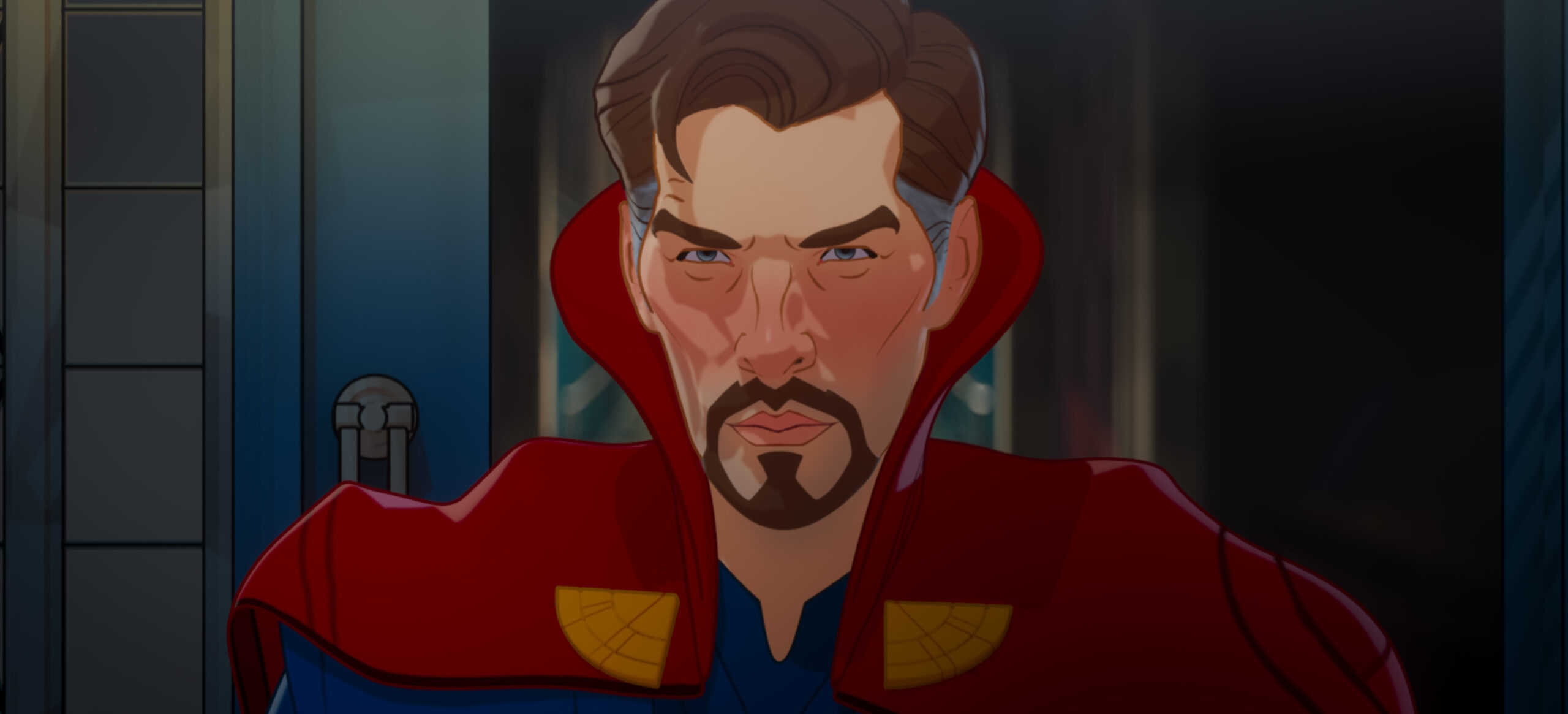
  • REVIEW: ‘What If… Doctor Strange Lost His Heart Instead of His Hands? -Episode 4

    REVIEW: ‘What If… Doctor Strange Lost His Heart Instead of His Hands? -Episode 4

    What If… Doctor Strange Lost His Heart Instead of His Hands? is easily the best episode yet of the series. If you are looking for your standard happy ending, look away. What If…? truly and boldly takes full advantage of its own premise to explore a story of absolute darkness and destruction instead of a standard plot with an upbeat ending. It’s also the first episode that clearly ties into others that we’ve seen, which is particularly interesting given its potential to resurge down the line in other properties or stories.

    Episode 4 is defined by gut-wrenching heartbreak and grief. Like the title suggests, in this timeline, Doctor Strange finds his path to Sorcerer Supreme through his search for answers and meaning after the death of the love of his life, Dr. Christine Palmer. Using Christine as the anchor actually places Strange in a lighter place at the beginning of the episode than that of Strange in the MCU’s main timeline. He’s kinder, he’s gentler, and though still incredibly arrogant, he actually seems like a nice guy. So, the countless repeats and variations of Christine’s death are absolutely brutal. The episode doesn’t particularly tone down the ruthless ways in which she is killed—the result is a very dark, aggressive, and hopeless backdrop for the rest of the episode. It also proves that the series can pull off a range of narrative styles and themes. While the previous episode had the “dark” premise of Avengers being assassinated, it never captured the level of tragedy and despair that this episode accomplishes. It’s phenomenal.

    The episode is also the first to meaningfully explore the alternate timeline story after the events of the original timeline take place. We learn fairly early on that Strange takes essentially the same journey as he did in Doctor Strange, including the Ancient One’s death and the defeat of Dormammu. In other episodes, this would have been the section of the story that variates from the one we already know. Here, the bulk of the episode explores Strange’s voyage after everything we think we know of his story instead. 

    Strange’s arrogant nature is still a major player in this story. Whereas the loss of his hands in the sacred timeline led him simply down a path of desperation and later redemption, his all-consuming grief from Christine’s death leads him down a path of desperation with only a fleeting moment of redemption before desperation once again takes over. It’s another side of Strange that is just similar enough to what we’ve already experienced with him to be extremely captivating. Instead of moving on from his superhero origin story, he reverts into the past and his arrogance takes over.

    Even with the Eye of Agamotto, all timelines in his universe result in Christine dying. He learns from the Ancient One that her death is an absolute point in time. If it doesn’t happen, Strange would not become a sorcerer and his reality would unravel and cease to exist. Not satisfied that he cannot overcome this, he studies for centuries how to absorb power from interdimensional mystic beings in order to gain enough power to break the absolute point. We see the same tentacle creature that Captain Carter fought in Episode 1, marking the first overlap in the series other than the Watcher. In the process, he becomes a literal monster. 

    Ironically, he doesn’t quite become a figurative monster until his path of darkness leads him to encounter an alternate version of himself—one that chose to move on—that exists in the same universe due to the Ancient One splitting the two in order to try and stop Dark Strange. Light Strange confronts Dark Strange in a worthy magical fight. It is so easy to assume that Light Strange will prevail that Dark Strange’s ultimate victory is even more poignant. Strange truly chose the path of darkness—one without redemption or light at the end of the tunnel. 

    Using the power he gained from the mystical beings and his other half, Strange goes about breaking the absolute point in time that is Christine’s death. When she is revived, she is horrified at the monstrous creature that Strange appears as. As the very fabric of the universe’s reality starts disintegrating around him, Strange realizes he very much botched…everything. He cries out in desperation to the Watcher, who he can sense. The Watcher declines to intervene despite clearly having the means to save this universe, but this episode makes it clear that Uatu is paying more attention than we might think. Strange’s absolute breakdown as his universe is destroyed is brutal and cruel and incredibly well-portrayed. The episode ends with the annihilation of this entire universe, save for a tiny pocket dimension that Strange remains in—a tiny dot in a vast sea of black nothingness. 

    What If…?’s venture into pure tragedy, darkness, and defeat is honestly beautiful. It stands in stark contrast to the generally lighter tones of previous episodes, even where previous episodes based their premises on darker themes. This episode left no room for interpretation of its essence. Benedict Cumberbatch absolutely shines with his work here and even manages to make you forget at times that this wasn’t live action. The episode’s exploration of the story past the general plot from the original film is remarkable both because it provides something new to the series and it showcases the infinite potential of what other universes can provide to the MCU. Going further than retelling Doctor Strange’s story, it imagines a greater universe of mysticism that sets the standard for multiversal creativity, weirdness, and possibilities until future episodes or films raise the bar. 

  • ‘HAWKEYE’ May Reboot a ‘DAREDEVIL’ Season 1 Premise

    ‘HAWKEYE’ May Reboot a ‘DAREDEVIL’ Season 1 Premise

    One big question fans have as they anticipate the return of familiar Marvel TV characters like Daredevil and Kingpin is: “Will they be soft rebooted for the proper MCU?” Both characters have an elaborate backstory inclusive and exclusive of each other in the three seasons of Daredevil we got and a good amount of fans want those stories intact when we see them butt heads with movie characters.

    While we won’t get a clear answer until we see these stories onscreen, Avengers producer Trinh Tran had some very interesting things to say about Hawkeye’s premise. In an excerpt from TV Guide, her quote reads:

    The six episodes take place after the events of 2019’s Avengers: Endgame, when the five-year disappearance of half the population – including Clint’s wife and kids – was reversed. “The city has, in many ways, recuperated and continued thriving. But the same can’t be said for all its citizens.

    Let’s put things into perspective. That premise sounds uncannily the same as the first season of Daredevil, where the destruction from the first Avengers film left New York and Hell’s Kitchen in an unfortunate spot. All that damage to the economy and infrastructure essentially allowed people like Fisk to take over people’s lives.

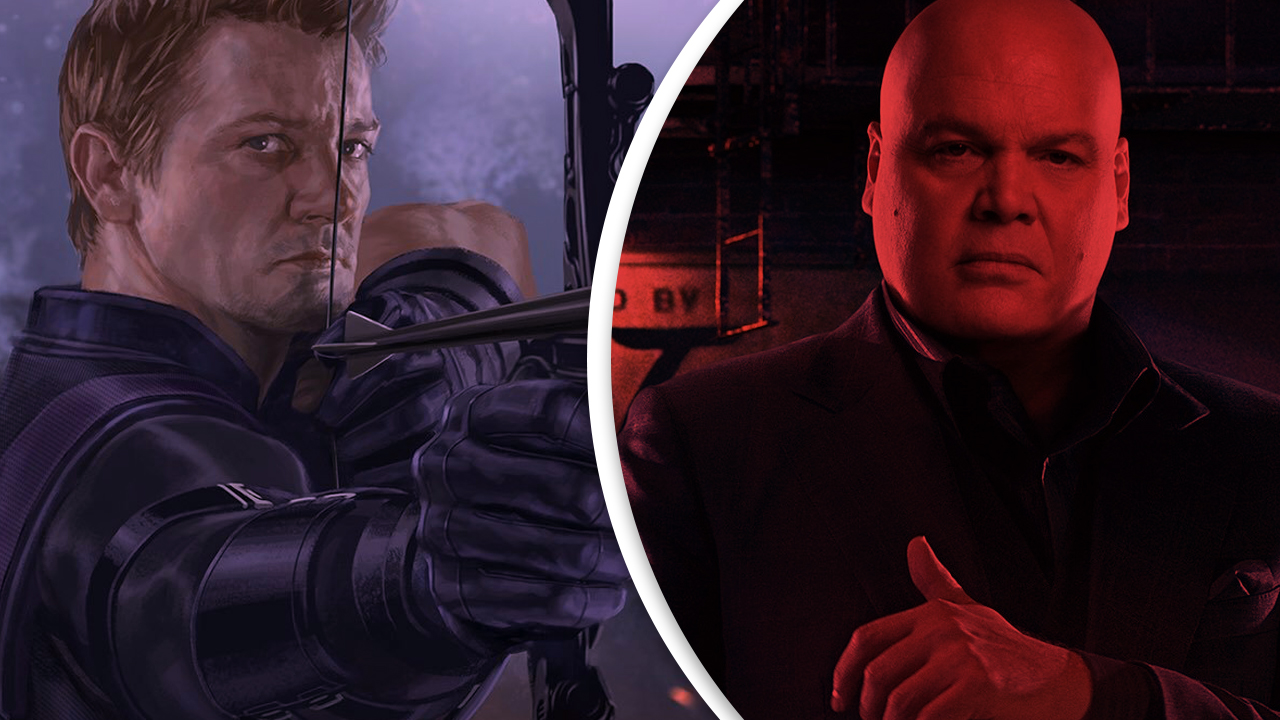
    Now, this isn’t a novel idea. Most transitional stories about a status quo change deal with some sort of fallout from that said change. Hawkeye dealing with the economic effects of the snap on a micro-level makes a ton of sense. But what makes this premise really fascinating is the reported involvement of Kingpin in the show. Vincent D’Onofrio is said to make his proper MCU debut at some point in the first season, presumably the big bad pulling the strings. With that and Tran‘s premise in mind, it seems like Marvel Studios is doing a full retread of what the first season of Daredevil did, with the OG villain behind the scheme.

    This feels like an indication of a soft reboot in some way in that it’s Marvel Studios cherry-picking the good ideas from the Netflix shows and spinning them in a new way that involves the larger universe. We know that Echo is going to be in Hawkeye and given her ties to Kingpin, the rumors regarding D’Onofrio’s inclusion in her upcoming Disney+ show make sense. It’s also sound to think that Daredevil may appear in that show as well, in addition to his rumored stint in She-Hulk. Looking at the big picture, there’s a through-line that links all these street-level stories that a soft reboot would serve perfectly.

    “Kingpin’s gonna kingpin,” you might say. Just because Marvel Studios is redoing the Daredevil Season 1 premise doesn’t mean it’s a reboot. For all we know, Kingpin could just be redoing what he did all those years ago after the Battle of New York. While that’s certainly a possibility, the premise of him getting out of jail after his definite imprisonment in Season 3 and reattempting the thing that jailed him in Season 1 in a show where there are Avengers around to stop him sounds too reckless for a twice-convicted felon.

    But who knows?

  • Connecting Imaginary Dots: The Contessa is Making More Moves in ‘BLACK PANTHER: WAKANDA FOREVER’

    Connecting Imaginary Dots: The Contessa is Making More Moves in ‘BLACK PANTHER: WAKANDA FOREVER’

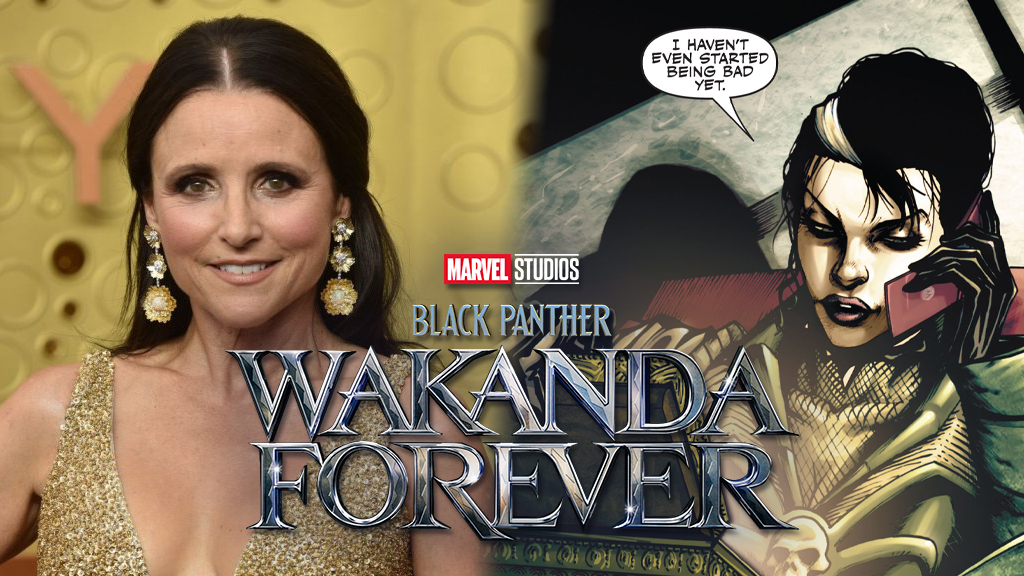
    Atlanta has served as one of the industry’s central filming hubs for some time. The area has several studios and a tax friendly approach to filming, making it a great place for Hollywood studios to get work done. For the past several years, Marvel Studio has used it as much as anyone, filming maybe a dozen or so projects in the area, including a major project now: Black Panther: Wakanda Forever. The sequel is set to introduce Namor, Riri Williams and a handful of other characters to the MCU but it also seems like it’ll mark another appearance for Julia Louis-Dreyfus‘ Valentina Allegra de Fontaine.

    Piecing together a couple of recent Instagram photos might give enough evidence to prove that JLD is now in Atlanta on the set of the sequel to the 2018 blockbuster.

    The first photo comes from JLD who tags her friend and (maybe) personal make-up artist, Karen Kawahara, who, as it turns out is in Atlanta. As it turns out, the set Kawahara included in her photograph is one that matches the description recently given to me of one being used for Black Panther: Wakanda Forever. Connecting imaginary dots here, it seems VERY likely that we will see JLD reprise her role as Val in this film.

    Val is already known to be working with John Walker and Yelena Belova, Captain America and Black Widow replacements respectively. Could she be trying to line up an Iron Man replacement here in Riri? Could she be recruiting or working with someone in Wakanda? Certainly Namor wouldn’t be interested in anything the human world has to offer. Kevin Feige recently indicated we’d see Val again soon and learn more about her past. Maybe Black Panther: Wakanda Forever is that place!

  • Netflix’s Biggest Challenge Adapting ‘ONE PIECE’

    Netflix’s Biggest Challenge Adapting ‘ONE PIECE’

    Ever since my deep dive into the upcoming Netflix adaptation of One Piece, I’ve been excited to see the iconic manga series be brought to life. As such, it also enticed me to revisit the series and explore the various arcs that the Strawhats fight through. Yet, as I started entering the halfway point on Thriller Bark, I’ve come to realize that Netflix has one major challenge ahead of them. The franchise doesn’t abide by any conventional rules and each story arc continues to build upon the previous one. If you compare the Alabasta arc with its smaller cast of characters against Dressrosa, you’ll notice a massive influx of new faces with new storylines, abilities, and much more. As such, Netflix may face the challenge of an ever escalating budget.

    Land of Wano | One Piece (Official Clip) - YouTube

    In the earlier chapters of the series, we slowly get introduced to the concept of Devil Fruits. As such, we see various unique abilities that force our heroes into finding creative ways of surviving. Yet, as the series continues to go on for 1000+ chapters, we see quite a variety of abilities especially once we enter the New World. The latest Wano arc alone includes various Zoan type fruit users that can transform into larger-than-life animals hybrids. Game of Thrones even had to pick their battles on how frequently they showcased the dragons. That doesn’t take into account the unique designs that make each island stand out.

    That’s not all, as One Piece’s world building introduces us to a very bizarre world filled with unpredictable oceans, otherworldly creatures, and so much more. Once the crew sets out on the Grand Line, the series will require a higher budget as they travel from island to island. Once they reach the New World, it’ll just continue to increase. As exciting as the prospect is to see this world explored in live-action, there’s some uncertainty if they’ll manage to keep it consistent. It would be a shame to adapt this series and not introduce the world to the Neptunian Sea Kings or even just Long Ring Long Land’s majestic Hoooooorse.

    Shirahoshi invoca a Reyes Marinos HD One Piece arma ancestral poseidon haki  - YouTube

    Of course, there is a way for the Netflix adaptation to keep it manageable. They may coordinate the budget and storylines in a way that they’re manageable throughout a season. So, while East Blue covers the entire first season, it’s uncertain if Alabasta might get split across multiple seasons. Later arcs in the series have also gotten quite extensive. So, the team behind the franchise might have no choice but to split it. If they stick to a ten episode order per season, it would restrict them quite a bit as the franchise continues. There are ways to avoid this issue, but as Netflix is infamous for it only ordering a specific set of seasons. Here’s hoping that the show’s success might give it many more seasons to expand and explore the many arcs.

    Source: Deadline

  • The Real Reason Spider-Man Won’t be Found Guilty of Murder

    The Real Reason Spider-Man Won’t be Found Guilty of Murder

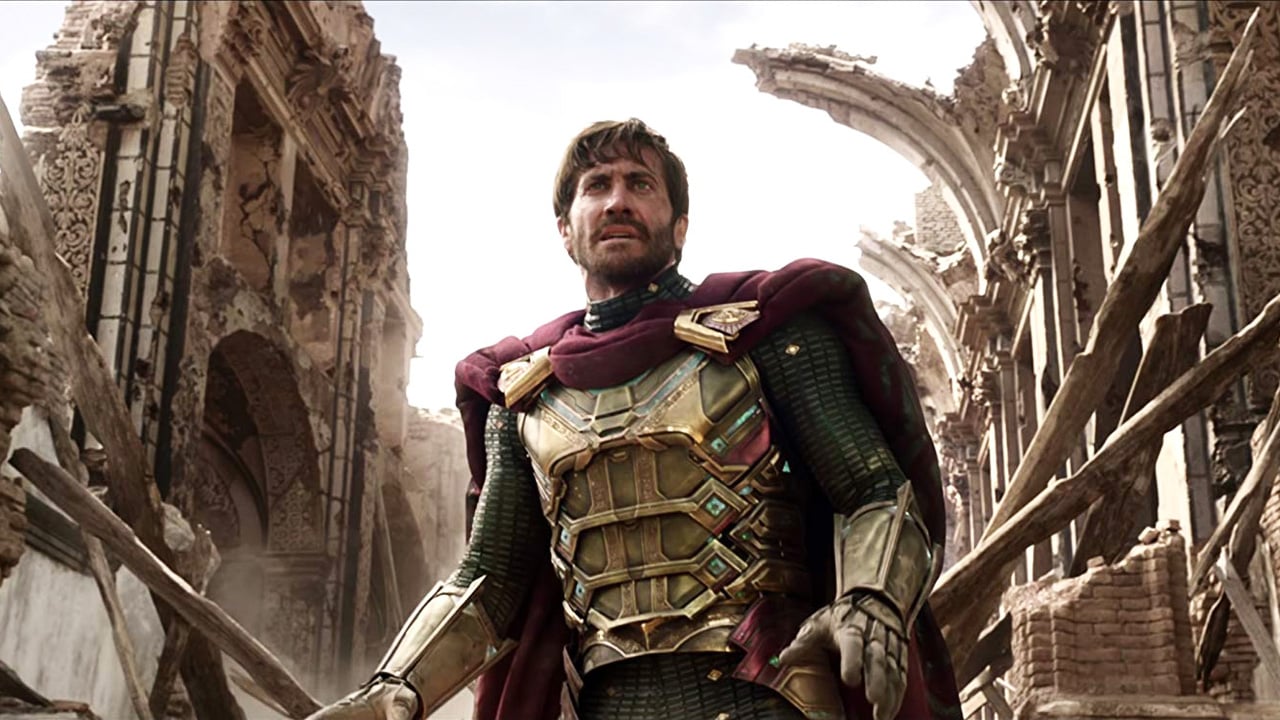
    The Spider-Man: No Way Home trailer that dropped earlier this week confirmed what the mid-credits scene of Far From Home teased—our friendly neighborhood Spider-Man is a murder suspect. Mysterio’s doctored video that makes it look like Peter used Stark drones to kill him in cold blood is no doubt the government’s favorite smoking gun. Not to worry, though, even if young Parker gets put on trial, he won’t be found guilty—but not for the reason that you think.

    Spider-Man: Far From Home": Ist Jake Gyllenhaals Mysterio doch nicht der  Hauptbösewicht? - Kino News - FILMSTARTS.de

    First of all, let’s just assume no one was able to prove that Mysterio’s video was fake or altered. If they had, I assume we wouldn’t see Peter and friends being interrogated by the police in the Now Way Home trailer. It would also be too easy and null the plot point Mysterio created in the first place. We should also ignore the fact that if the alleged crime happened in London, British law enforcement would be in charge, not New Yorkers. At the end of the day, what lets Peter walk free is probably even simpler than these two easy outs. 

    But first it’s worth noting that any self-defense theory will almost certainly not work here. The common assumption is that Spider-Man — or any superhero in general — couldn’t possibly be a “murderer” because if he happened to kill someone, it would be for a good or necessary reason, namely that the bad guy would kill him and/or others. In terms of self-defense, in New York, state criminal law provides that any person who is being attacked or otherwise threatened has a “duty to retreat” before they use lethal force. So, if someone has the ability to literally run away from their attacker, they cannot claim they acted in self-defense. Mysterio’s video clearly shows what looks like a wounded Mysterio and a Spider-Man not in any immediate danger. Even if Mysterio looked at all dangerous, no one could argue that Peter couldn’t have just run the other direction rather than commanding his drones to “execute them all.” So that won’t work.

    Amazon.de: Spider-Man: Far from Home [dt./OV] ansehen | Prime Video

    The real key for Mat Mur—sorry—Parker’s unknown lawyer lies in the legal rules of evidence. Considering that the Mysterio video is presumably the strongest piece of evidence the prosecutors have, keeping the video from being used at the trial would likely be certain victory for Peter. Specifically, if the video is found to be inadmissible evidence, it means that the jury wouldn’t be able to see it, know anything about it, or consider it at all in deciding whether or not Peter is guilty of murder. 

    A major buzzword in legal dramas is “hearsay.” In very simple terms, something is hearsay if it is said outside of the courtroom. So, if Ned got on the witness stand and testified that “Peter told me he didn’t do it,” Peter’s statement there would be hearsay and wouldn’t be evidence the jury could consider. But, for the video, if Peter’s lawyer stood up while it played and said, “Objection, your Honor—hearsay!”, would that be it? Unfortunately, no, but it’s interesting why not. Among the several exceptions to the hearsay rule, there is a specific rule that allows in statements made by someone who was dying when they said them. So, Mysterio wins again.

    Spider-Man: Far From Home is a perfectly balanced Spider-Movie — Cinema76

    Finally, to the best strategy and maybe the least interesting one: whoever Peter’s lawyer is should take advantage of one of the most practical and overlooked rules of evidence. To get the video into evidence, the government is required to “lay a foundation” for it. In other words, they have to prove that it is what it claims to be in a legal way. Even if they are completely convinced that the video is real and accurate, Parker’s lawyer wins this very tedious and technical legal chess match. Simply put, the government would be required to put a witness on the stand that could say, “Yes, this video is authentic—I know because I was there,” or “I know because I filmed it.” Since the only two involved in the video were Peter and Mysterio, and Mysterio is gone, Spidey’s prosecutors would come up ever so short in using the video against him.

    The moral of the story is that no matter how amazing or super someone or something is, soulless, unimaginative, and mundane laws still apply and can still make a difference. The Sokovia Accords certainly introduced us to the potential legal implications of superheroes in the MCU, but they seemed to have gone their own way since Captain America: Civil War. Perhaps in No Way Home and beyond we will explore more extensively how superheroes might be held accountable. With great power comes the need for great lawyers.  

  • Connecting Imaginary Dots: Mark Ruffalo May Appear in ‘MOON KNIGHT’

    Connecting Imaginary Dots: Mark Ruffalo May Appear in ‘MOON KNIGHT’

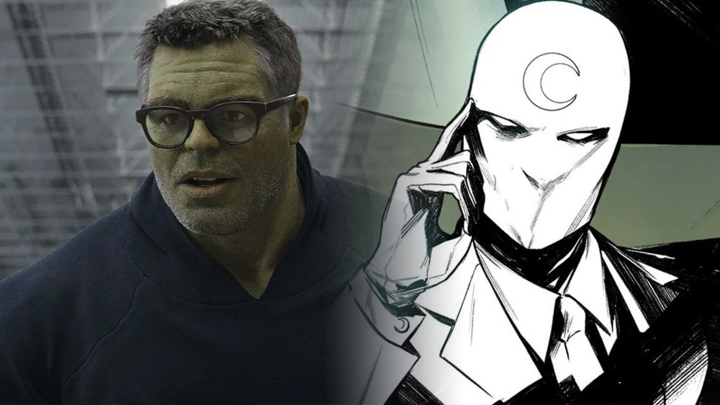
    Moon Knight has been busy filming in Budapest for some time now. Oscar Isaac will play the vigilante in what may be Marvel Studios’ darkest story. They’ve kept the plot tightly under wraps and we know very little outside of Ethan Hawke playing the Disney+ series’ main antagonist. Still, it’s fun to speculate on what may potentially happen in the film. Well, some photos from Instagram user dora_magyari features both Isaac and Mark Ruffalo in front of the same hotel in Budapest.

    Of course, Ruffalo‘s presence is a curious one and we’ve long wondered how Moon Knight might connect to the larger Marvel Cinematic Universe. There’s always the chance he’s just there to check on the set or on vacation, but it is quite a curious coincidence that he’d travel to the same shooting location right after finishing up She-Hulk. There’s also the fact that Moon Knight and Hulk have had some confrontations in the comics, especially when Banner turned into Joe Fixit. In 2008’s Hulk Vol. 2 #7, he returned to Las Vegas, where he famously ran a bar, and got into a fight with Wendigo’s before Moon Knight intervened. As you can guess, it didn’t go well for him.

    Joe Fixit (Dr. Bruce Banner) (Grey Hulk persona) vs. Moon Knight art by  Arthur Adams | Marvel comic book characters, Hulk marvel, Hulk art

    There actually was a reveal of a “Bruce’s Bar” from an Instagram post by one of the She-Hulk crew members. Included in their crew merch, you can see Jennifer Walters enjoying a drink at a bar run by Bruce in Professor Hulk form. While not confirmed, there’s a chance he might’ve taken a break from his heroic life. Plus, it seems his arm has recovered from taking the full force of the Infinity Stones in Avengers: Endgame. So, perhaps they are preparing a sequence where Moon Knight visits that very bar. Perhaps they’re shooting the post-credit sequence for the final episode that sets up his appearance in a future entry.

    Source: Instagram via Twitter, ScreenRant

  • ‘WHAT IF…?’ Episode 3’s True Villain in the Shadows

    ‘WHAT IF…?’ Episode 3’s True Villain in the Shadows

    The latest episode has finally dropped from Marvel Studios’ adventure into the multiverse, What If…?. We’ve witnessed a few new directions the original Sacred Timeline could’ve taken if only one specific event changed. In the first episode, we learn the point in time where the change occurred, but the third entry, which explores an Agatha Christie-inspired story, leaves that to the very end. It’s all to keep us guessing as the mystery unravels. Yet, we only vaguely get a hint at why the targets were so specific, but ScreenCrush noticed a few details that may give away that there’s a different villain at play altogether. It’s such a curious theory that the more I looked into it, the more it made sense. Uatu even hints at the bigger picture we might miss in our first viewings. 

    What If...? Season 1 Episode 3: Release Date, Spoilers & Preview - OtakuKart

    There will be spoilers on the latest episode in this article. If you haven’t watched it yet, please only continue at your own risk.

    At the end of the episode, Hank Pym reveals that he’s been taking out the Avengers one after another. Not only does it prove how dangerous his ability is in the wrong hands, but we also learn that Hope van Dyne had a very different destiny in this universe. She was an active SHIELD agent and died during a mission in Odessa, Ukraine. At first, it seems like a random location. Yet, looking back, it turns out we’ve heard of it before. It’s an important moment in MCU history, as it’s where Black Widow took a bullet from the Winter Soldier.

    Why is this relevant? If you think back to Captain America: The Winter Soldier, we learn that SHIELD head Alexander Pierce was a HYDRA agent. He was the one that gave the Winter Soldier his missions. As such, he would be the one that sent the assassin to Odessa and, as she replaced Natasha in this universe, took the bullet in her place. In a way, Hope becoming an agent made Hank nervous, which is a given by his disdain towards the organization. Yet, it wasn’t until Pierce commanded the mission that would push him over the edge.

    Keep in mind, Hank’s time as Ant-Man was working with the spy agency. He would be aware of his abilities. It wouldn’t be surprising if Pierce also convinced her to join their cause with Fury. We know that these two were close, and he might’ve known about his friend’s Avengers Initiative. It seems available in their database, which Natasha accesses through Coulson’s account through his very memorable password. Yet, it seems curious that Hope’s account was still active when the flowers at her grave hint at her being dead for some time. Wouldn’t a secret spy organization have better security than that? Hank was a SHIELD member. So, he technically could still have an accoutn but doesn’t. So, why would Hope still have active access long after her passing?

    Pierce doesn’t physically appear in this episode but is still somewhat present. The returning Frank Grillo mentions his name, as Black Widow is escorted to a meeting with him before she breaks out. Curiously, there’s no mention of the World Security Council. It makes him want a one-on-one meeting even more suspicious. He even has a brief appearance among the various files that she is looking into during the film. Odessa is the nail in the coffin for his connection to the overarching plot of this very episode. He has no direct role in this story but still gets highlighted throughout.

    Uatu’s words that humanity is “blind to the bigger picture” is such a curious detail. It’s an ominous sentence that makes you question how many other details there are in this episode to connect the dots. Hope joining SHIELD may be the moment this universe was born, but Pierce seeing an opportunity led to the Avengers’ demise. Hank’s anger towards Fury seems vague at first because he blames him for her death, but perhaps the strings were leading them to this very moment.

    Source: YouTube

  • 4 Comic Influences That The ‘NO WAY HOME’ Trailer Teased

    4 Comic Influences That The ‘NO WAY HOME’ Trailer Teased

    If you’ve been living above a rock for the past few months, you would know there are few things the internet wanted more than a teaser trailer for Sony and Marvel Studios’ Spider-Man: No Way Home. To the delight of the insatiable, the trailer finally made its grand debut earlier this week and was met with uproarious approval by fans. From a major identity crisis to multiversal shenanigans, the sneak peek was chock-full of things that even the most die-hard Spidey enthusiasts never thought would make it to the big screen. However, that doesn’t mean these events have no basis in the pages of Marvel’s vast comic universe.

    Most of what we were shown in the trailer’s nearly three-minute runtime can be traced back to a collection of moments from famous comic arcs. While not all of the source material is universally loved, it does make for a rather intriguing mass of inspiration. As such, I’ve taken the time to break it all down and present you with a guide to the origins of the trailer’s biggest moments, in case anyone should want to do a little reading before No Way Home drops in December.

    The War at Home

    That’s right, it looks like Marvel Studios isn’t done pulling from Mark Millar’s Civil War comic just yet. The big, unforgettable surprise at the end of Spider-Man: Far From Home was the worldwide revelation that Peter Parker is Spider-Man. While there had been concerns from fans that No Way Home might brush this plotline aside, the trailer made sure to highlight that it would actually be a major driving aspect of the third film’s story.

    Peter Parker has had his identity outed more than once in the comics, but the occasion with the most staying power was undoubtedly the one from 2006’s popular event series. The major difference between page and screen is that comic Peter took the mask off himself, while MCU Peter was mortified when Mysterio dropped his big secret from beyond the grave. A more comic-accurate depiction from the teaser was the shots of Peter being hounded by the media and law enforcement, which bring to mind the events of the Civil War tie-in arc, The War at Home.

    Taking place in The Amazing Spider-Man #532-538, written by J. Michael Straczynski, the arc deals with the fallout of Peter’s identity going public and the way it affects the life of those around him. The story also features Peter revolting against the Registration Act, which places him on the wrong side of the law and in the sights of multiple government-sponsored supervillains.

    One More Day & One Moment in Time

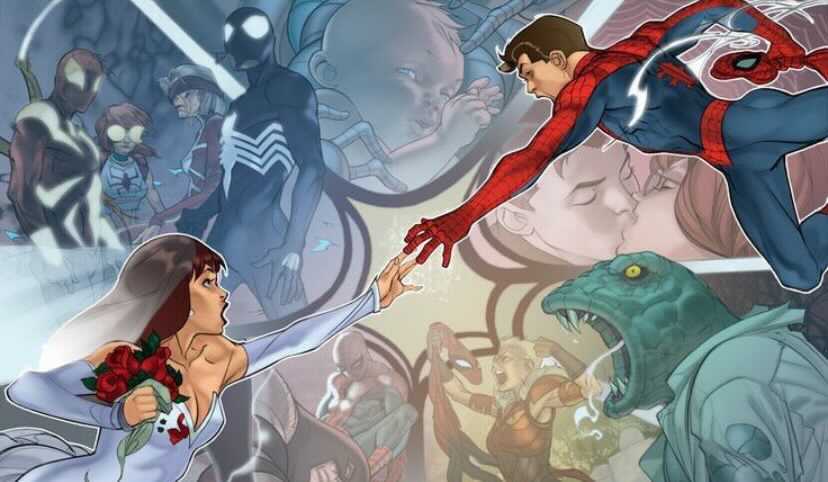
    Maybe the most controversial Spider-Man arc ever written, the influence of J. Michael Straczynski and Joe Quesada‘s One More Day is ever-present in the first half of No Way Home‘s trailer. It may need no introduction for most, but for the few who missed that particular boat, One More Day is the infamous story in which Peter Parker makes a deal with the devil. To save a dying Aunt May, Peter makes an agreement with Mephisto that trades away his entire history with Mary Jane Watson. It’s a bold, rash move, and its spirit can be felt in the trailer moment when Peter asks Doctor Strange to hide his identity from the world without realizing what that means for his time with Zendaya‘s MJ.

    Alongside One More Day came a companion piece from Quesada titled One Moment in Time. This short arc detailed the exact changes made by Mephisto in erasing Peter’s marriage to MJ. The most surprising retcon comes when it’s revealed that Mephisto did not restore Peter’s secret identity as previously believed. Instead, it’s shown that Parker had gone to Doctor Strange to fix his identity crisis, and even had a moment of weakness during the spell casting where he begged for Mary Jane to still remember his identity. This additional storytelling helped reset the Spider-Man status quo going forward in the comics, albeit with some forewarned dire consequences.

    Happy Birthday

    Of all the trailer inspiration, the one fans may have least expected to see was a loose adaptation of Straczynski‘s centennial Happy Birthday arc. Beginning in The Amazing Spider-Man #57 and concluding in the re-numbered #500 issue, the surprisingly emotional plot concerns Spider-Man teaming up with Doctor Strange, and a few other heroes, to stop Dormammu and the Mindless Ones from taking over the world. Unfortunately for Spidey and that ‘ole Parker luck, his attempts to aid Strange actually interfere with the complicated spell being cast.

    As a result, Peter is sent flying outside of time and reality, forced to confront a multitude of enemies from his past and witness a tragic potential future for himself. As previously mentioned, the No Way Home teaser makes a concerted effort to hint at Peter’s involvement with Strange’s spell bringing in more than a couple of villains from (a version of) his past. And who knows, the movie may even give him that glimpse at an older Parker by the time the credits roll.