Author: Charles Villanueva

  • REVIEW: ’22 vs. Earth’ is a Welcome Expansion of ‘Soul’

    REVIEW: ’22 vs. Earth’ is a Welcome Expansion of ‘Soul’

    One of the great things about this era of Pixar is that they’re no longer catering their content to just kids. Sure, all their films since Toy Story have been four-quadrant endeavors. If you remotely have an imagination and appreciation for good stories, all their offerings are bangs for your buck. In the past few years, something started to change with these films. They became deeper and deeper as they grew bolder with their storytelling choices. The themes became darker and the subject matter explored existential questions. Much of this is in due part to Pete Doctor, director of Inside Out, Up, and last year’s Soul.

    Soul was the encapsulation of all that. A wildly complex study on purpose, identity, and notions of what makes each of us whole. You know, all the kinds of ideas we’re terrified to examine as adults. But examine we did thanks to the mesmerizing pull of Soul. The movie was a hit critically, garnering numerous awards from multiple organizations, eventually winning the Academy Award for Best Animated Feature. The massive success amassed movie makes it all unsurprising that they decided further explore the Great Before in a brand new short titled 22 vs. Earth


    22 vs Earth': Pixar Follows up 'Soul' with a Prequel Short | IndieWire


    Directed by one of Pete Doctor‘s main collaborators, award-winning editor Kevin Nolting, 22 vs. Earth is a mini-examination of one of Soul’s main characters, 22, voiced by Tina Fey. We last saw 22 in the emotional ending of the film. She finds her elusive purpose after eons of waiting and makes her way to Earth, all thanks to her friendship with Joe Gardner. However, things are very different for 22 in this prequel. I’d argue even worse than when we meet her in Soul. She’s deeply bitter at all the souls finding their purpose like it’s no big deal. While that bitterness manifests in silly gags, her isolation is felt strongly here.

    The short film almost feels like a deleted scene in many ways, which is unsurprising given how they tried working in the short film’s premise in the development process of Soul. While the short film could have functionally existed in the final cut of the film, it being a short film makes it work regardless.


    22 vs Earth': Pixar Follows up 'Soul' with a Prequel Short | IndieWire


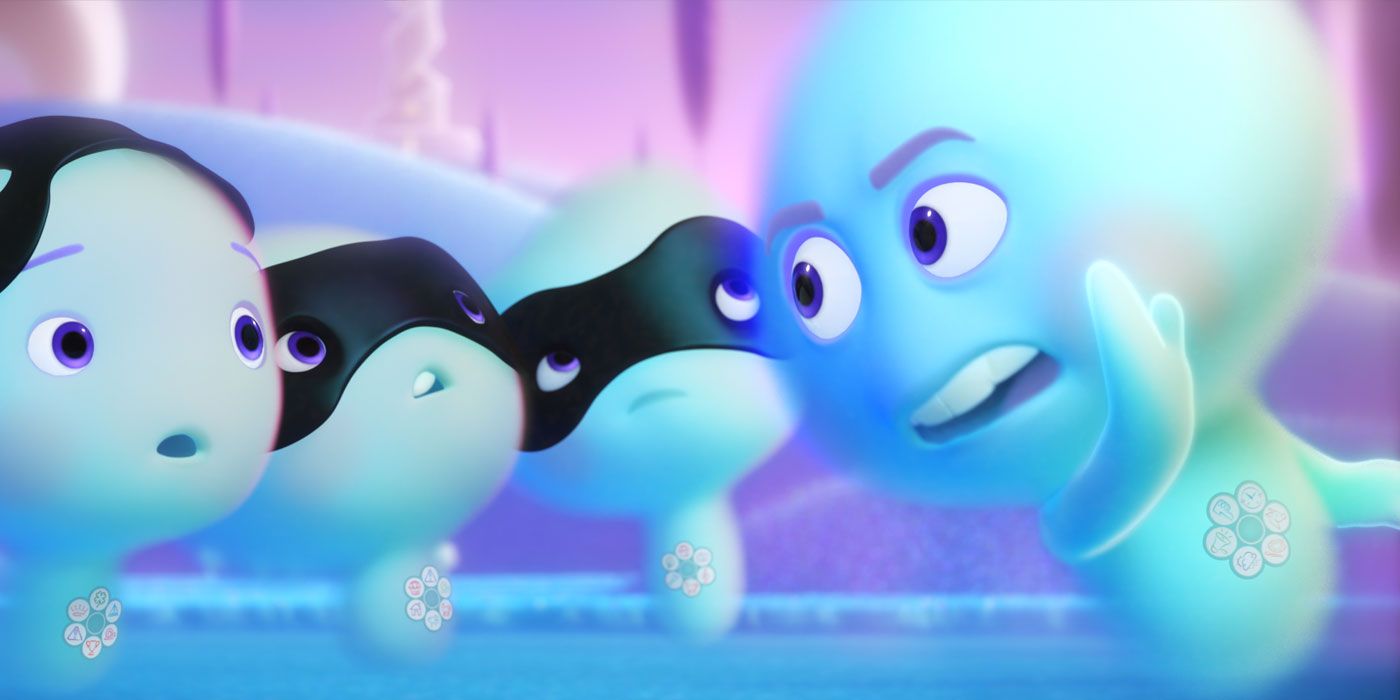
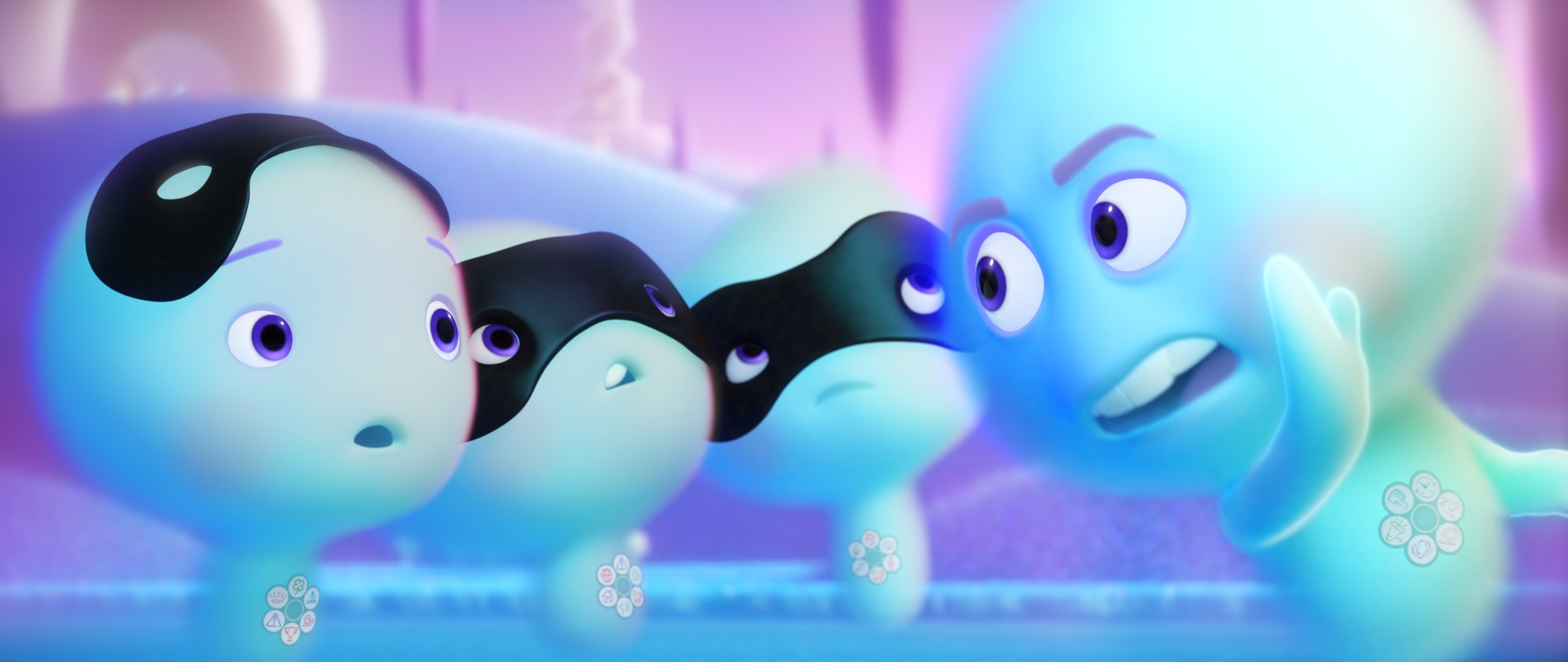
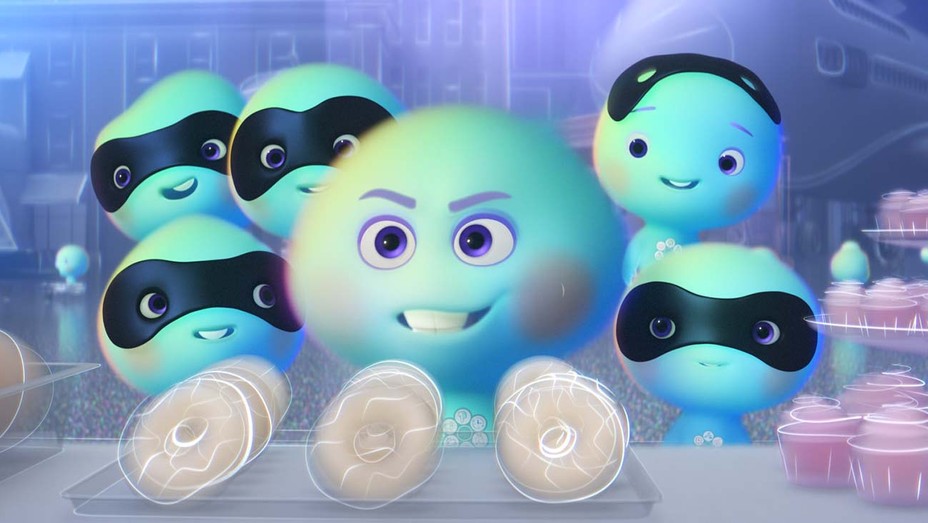
    But if there’s anything that 22 vs. Earth does better than Soul, it’s definitely the cute factor. I cannot stress how adorable the ensemble cast of souls they put together in this short. They all have adorable names (Macaroni is mine and will be everyone else’s favorite, no doubt) and wear domino masks to boot. 22 forms a coalition with them to stop souls from reaching Earth, dubbed as A.P.O.C.A.L.Y.P.S.E. which might give S.H.I.E.L.D. a run for its money as far as abbreviated organizations go. Their plan, of course, goes sideways in the most adorable ways possible. 

    22 vs. Earth doesn’t have the full emotional heft of Soul and I think that’s fine. This short film isn’t trying to replicate the tear-jerking moments of the film nor is it trying to explore the complexities and nuances of human identity. What it is: a charming vignette of what 22’s day-to-day life was like in the Great Before. We learn right away that she used to spend her days hatching adorable plans to stop fellow souls from finding their purpose. But despite the short film is a mostly cute affair, there is somewhat of an underlying emotion to the whole thing. A sadness that drives 22 to scheme as she does. She’s lonely and just wants to find someone lost like her. However, knowing 22’s eventual fate makes this period more striking.


    Pixar Debuts Clip from Its Soul Prequel Short, 22 vs Earth | CBR


    All in all, 22 vs. Earth does the job of telling the untold tale of 22’s origin. It’s concise, charming, and most importantly, fun. Seeing all these characters, new and old (the soul councilors are here!), makes me wish there was a sequel in the works. But even if there never will be, this short film fills that void nicely.

  • EXCLUSIVE: ’22 Vs. Earth’ Director Talks 22’s Origin Story and Why They Made a Prequel

    EXCLUSIVE: ’22 Vs. Earth’ Director Talks 22’s Origin Story and Why They Made a Prequel

    22 vs. Earth is Pixar’s latest offering in the mesmerizing world crafted by Pete Doctor in the critically acclaimed Soul. Set in the years before Joe Gardner’s fateful meeting with 22, the short film briefly tackles what life was for 22 in the Great Before. We got to interview the editor of Soul and director of the short, the award-winning Kevin Nolting, who gave us some fun tidbits about making the short.

    According to Nolting, the short film was conceptualized within the last 6 months, as a way to somewhat fill in the gaps the movie left with regards to 22’s origin story and why they opted for a prequel instead of a sequel.

    It could have been a sequel, I guess. But while we were making Soul, we talked about a lot what made 22 who she is. We never put it in the movie because it didn’t belong in the movie and so it never got fully developed. This was a perfect point to explore that question a little bit. 

    Nolting further elaborated on what the conversations were like leading up to the greenlighting of 22 vs. Earth and how he approached it.

    When you’re making a movie, you play around with how much pre-story you need. Since Joe was the main character, that got the focus of our attention; building his world, his family, and what brought him to that place. With 22, it just didn’t belong because she wasn’t the main focus. But it was such a big conversation because you do need that biography to character to know how to make them play. But I approached [the short] as: if we were telling 22’s story, it would overlap with Soul and the short would be the midpoint of the story. It would be the point in the story where she crystallizes her ideas and moves in a certain direction. 

    Soul marked Nolting’s third collaboration with acclaimed director Pete Doctor in 15 years. Nolting talked briefly spoke on how that collaboration began and whether Doctor gave him tips on how to execute this short film.

    He was in development of Up and he was putting some scenes together and writing the movie. I was free at the time and hanging around development to help in whatever way I could and I ended up cutting 3 or 4 scenes. He was going to do a mini-screening for Up just to see how the ideas were going. We had the scene introducing the bird, the dog, and the house flying up. And we just clicked working together so I ended up staying on. He didn’t have to give me specific advice because I’ve been working with him for 15 years. Just through osmosis, I learned everything about directing from him. Yes, he did give me advice but in a span of 15 years (laughs). 

    22 vs. Earth is coming to Disney+ on April 30, 2021.

  • MORTAL KOMBAT: A Painful Sheeva Stomp to the Franchise’s Mythology

    MORTAL KOMBAT: A Painful Sheeva Stomp to the Franchise’s Mythology

    Approaching this review has been a contemplative battle for me. Mortal Kombat 11, in the past year or so, has revitalized my long-lost love for video games. A chunk of my 2020 was spent online, at least 2 hours daily, losing my mind over getting teabagged and fatalitied by a scrubs on wifi playing Searing Rage Scorpion and crackhead Kung Lao players that do cross-up divekicks every 2 seconds. Over 800 hours was tallied for Mortal Kombat 11 alone in my 2020 Playstation Network wrap-up. When I was in high school, while all my classmates were into playing Tekken, I immersed myself in the lore-heavy era of MK games from Deadly Alliance to Armageddon. Needless to say, Mortal Kombat has been a huge part of my life in general. So do I approach this review first as a diehard fan? 

    The thing is, I’m also a fan of filmmaking. I love a well-written story: characters that have fleshed out motivations and a plot with some semblance of functionality. Video game movies are still as bad as they’ve always been and I think that’s in due part to everyone’s resignation that as long as a film replicates the dumb, mindless fun offered by a game, it gets a pass. While “It’s not that deep. It doesn’t need to be serious,” can be at times a valid argument, it’s oftentimes used to validate bad filmmaking. The bar will always be low if we think violent fight scenes solely make a Mortal Kombat movie great. So should I be uptight about how video game movies can’t seem to be ever good movies? 

    The lore of Mortal Kombat has always been difficult to fully comprehend. Even for myself, who partakes in an incomprehensible canon such as the Marvel Universe, still cannot process why things are a certain way in this world. I don’t understand how the modernity of Sonya Blade’s world manages to clash with the foregone feudal age of Scorpion’s on a daily basis and that’s okay. The Mortal Kombat lore is so overwhelming and rich that it’s bound to have some inaccessibility which leads to creative liberties in any attempted adaptation. This modern version is no exception.

    For starters, there is no tournament in the movie about the tournament. The movie establishes that Earthrealm is on a 9-tourney losing streak to the evil Outworld. Mortal Kombat stipulates that if a realm wins against another in a FT10 (first-to-10, a fighting game staple), said winner may invade the losing realm. So it’s match point for Outworld and one more win would doom Earthrealm for good. There’s one catch though: Shang Tsung doesn’t want Earthrealm to have a fighting chance against him so he hatches a plan to kill off all the good guys before the tournament begins, while they’re all training. Instead of giving us one final tournament to rule them all, the movie just gives us the pre-game locker room rumbles. That’s when the movie starts falling apart. 

    The problem isn’t that having no tournament is bad. The games have been far removed from the tournament concept for several years now. If anything, the current Mortal Kombat landscape is more Days of Future Past than Bloodsport, the movie the franchise built itself on. The problem is that the plot predicates itself on the tournament and spends time building on it, only for it to get ignored completely by the finale. The entire first 2 acts are already plodding to begin with, solely about exposition about Mortal Kombat and the heroes preparing themselves for the tournament. With the promise of a tournament, those 2 acts work in spite of the plodding but without it, they end up feeling not only pointless but also undermined. 

    And then there’s that thing about dragon marks and arcanas. In order to streamline some of the more fantastical concepts in the lore, they introduce these two things. Dragon marks are markings found on people who are worthy of joining Mortal Kombat. These markings are passed on by killing those who have the mark. It’s an absolutely ludicrous concept that barely makes any sense. Not to mention it kinda defeats the purpose of lineages and bloodlines. Also if anything, it adds more wrinkles to Shang Tsung’s master plan. What happens when a 60-year old housewife accidentally runs over Liu Kang with her car? Does she have to join Mortal Kombat? 

    Being a marked person also means you are eligible to acquire a random power called arcanas. The movie makes it clear that being a good fighter isn’t enough for Mortal Kombat and that arcanas are needed to level the playing field. Problem is, arcanas can’t seem to be acquired through training. When we see Cole Young and Kano get theirs, it’s during highly emotional situations. The movie treats the concept like it’s a latent mutant power that manifests when you need it the most. This lore change is easily my biggest nitpick in the film. I say nitpick because fundamentally I understand what they’re trying to do but just as a fan of the material, I don’t agree with the need to explain why everyone has powers. They just do. Liu Kang can throw fireballs. Kabal has super speed. Kung Lao can teleport and manipulate his hat. This isn’t the early-2000s anymore. Audiences can get by seeing powered people in a fantastical world without explanation. It’s even dumber seeing that applied to tech-based characters like Kano, Sonya, and Jax. 

    Cole Young is on the frontier of all these changes. This character raised a lot of eyebrows when it was revealed the filmmakers were introducing a brand new character in the film. In a mythology rich with diverse characters that could have functioned as a surrogate for audiences, creating a new one just seemed pointless. Having seen the movie now, he’s mostly fine albeit cookie-cutter. There’s not much to his character other than being a family man. There’s no intrigue to his lineage nor does there seem to be any pathos as to why he’s a has-been fighter. It doesn’t help that Lewis Tan isn’t that great of an actor. But despite all that, he certainly wasn’t a sore spot in the film like some people initially expected. The question still stands as to whether creating him was the way to go but his barebones character arc serves the story enough. 

    The filmmaking of this movie is interesting. It’s certainly a shinier, sleeker, more expensive, next-gen version of the 1995 classic but it also has a weird choppiness to the way the movie is edited that is at odds with the impactful energy the scenes desire to have. And it’s a problem that you can feel in a lot of scenes, from the fights to the transitions. There’s a moment where Raiden teleports himself in between the good guys and bad guys and it’s evident that it’s supposed to be this momentous badass arrival. Instead of showing the full scale of his electrifying entrance, they cut to him several frames after he arrives. There’s a Twitter thread out there that perfectly articulates why some of the fight scenes don’t feel as impactful as they should be and it’s down to the editing once more. The inconsistent editing becomes a disservice to the skilled real-life fighters they brought to star in the film. 

    All of this is not to say that Mortal Kombat is a movie you should write off. The movie gets a lot of the game’s spirit correct. Not the least of which is how it handles the core roster. I think more than anything, a lot of fans – casual and diehard – are coming out of the woodwork to express their happiness with how these iconic characters are portrayed. Kano for me and many others is probably the surprise MVP. They get the personality right; he’s an asshole you love to hate and hate to love. 

    The Shaolin Monks are done right. Ludi Lin and Max Huang as Liu Kang and Kung Lao, respectively, are pitch-perfect in the role. Lin plays the textbook teacher’s pet really nicely while Huang nails Kung Lao’s brash persona. Jessica McNamee’s take on Sonya feels familiar in a good way though I wish we got more of her military expertise in the movie. Like Sonya, Jax doesn’t really get to flex his military expertise but it’s hard to complain when he gets to fatality Reiko’s head. 

    Clearly, the true stars of this movie are Joe Taslim and Hiroyuki Sanada. Two legends playing two icons, what else can you ask for? Much of this movie is anchored around Scorpion and Sub-Zero and the pay-off we get in that 3rd fight almost makes all bad stuff in this movie forgivable. Granted, Taslim doesn’t get much to do but stare coldly at his fellow cast members but his version of Bi-Han absolutely works. If he doesn’t return as Noob Saibot in the sequel, what’s the point of this franchise? Sanada’s turn as the vengeful specter Scorpion is so good to see. He even manages to add a bit of pathos to the role in the film’s really strong opening sequence. It’s a shame it takes the movie 90-minutes to get to his showstopping appearance but it’s worth it in the end. 

    Because they’re such key players in the lore, there’s a lot to be desired from this film’s Raiden and Shang Tsung (two of my mains in the game!). Chin Han is unfortunately tasked to ape Cary Hiroyuki-Tagawa’s version of the sorcerer. In most scenes, it feels like a forced imitation of a role with such an iconic disposition. Should a sequel be in the books, I want this Shang Tsung to actually do some stuff for once. Give Chin Han more to do than just sit and watch and distinguish him better from the 1995 version. 

    Tadanobu Asano’s weary take on the character is a far cry from the broad version of the Thunder God voiced by Richard Epcar diehard fans like myself have gotten used to (I could care less about Christopher Lambert’s version, sorry). Like Shang Tsung, part of the problem is they don’t really give Asano’s Raiden anything to do other than to teleport people. Raiden in the lore functions a lot like Optimus Prime; he’s the guy who brings everyone together, holds the fort down, and gives inspirational speeches when the team hits their bottom. I would’ve loved to have seen Asano’s world-weary grumpy Raiden come into his own here.

    But really, the only two reasons people partake in anything Mortal Kombat related are violence and kombat. This movie offers a lot of that. The movie even goes so far as to replicate Kung Lao’s MK9 buzzsaw fatality, which to me is still the most disgusting fatality they’ve put out to date. And even though not all the fights are up to par, when they’re good, they’re pretty damn good. That Scorpion and Sub-Zero fights alone are worth the admission.

    Mortal Kombat does its due diligence as it will have fans recreate the OUATIH DiCaprio meme whenever a catchphrase or signature move plays on screen. It’s violent, indulgent, and nonsensical most of the time which in many ways lines up with the video game’s basic tenets.  But getting basic stuff right can only give a film so much mileage. Mortal Kombat’s lasting legacy to the public may be its gore but to diehards like me, it’s the widely imaginative mythology that keeps drawing us back. It’s why the 1995 film is still so beloved despite it being a bad film (and there’s barely even blood in it!). That awe is, unfortunately, missing in this brand new iteration. Like a scrubby Sheeva player with no other strings at their disposal, this film leans heavily on the unblockable stomp; the easy win by way of the franchise’s lucrative brand of violence. If anything, watch this for the gore but play the game instead for the full Mortal Kombat experience.
  • Brian Michael Bendis’ MOON KNIGHT Is Still Worth A Shot

    Brian Michael Bendis’ MOON KNIGHT Is Still Worth A Shot

    Brian Michael Bendis can be a tough pill to swallow for a lot of readers. For an entire decade, his name ruled the Marvel stratosphere which a lot of fans grew tired of. He wrote an unreal amount of comics, having practically written almost all the mainline Marvel titles over the course of his tenure with the company. His work arguably served as the lynchpin for the creative direction of the company in the years that followed. It was in the Bendis era that the modern Marvel crossover event was introduced which a lot of people perceive to be one of the worst aspects of the industry. His distinct style of decompressing storylines, making them more drawn out than most, and his quippy Sorkin dialogue makes his work all the more polarizing.

    As a storyteller, his strengths were always rooted in more grounded street stories. It’s no surprise that Bendis’ big picture stories such as Secret Invasion and Age of Ultron pale in comparison to his street-level stuff. The reason why Ultimate Spider-Man, Daredevil, and Jessica Jones were huge breakout successes is that Bendis has a full grasp of that seedy world. His impeccable skill in understanding the language of crime stories is due in part to his long stint writing film noir comics. So for him to take the reins of Moon Knight seemed like a no-brainer on paper. 


    Moon Knight has always been a tough cookie to crack. The logline for the character, in my head, has always been, “Fight Club but with Marvel’s Bruce Wayne.” As a character with a multiple personality disorder, a lot of his stories have leaned towards the unconventional. Writers and artists have taken numerous creative liberties in the ways they could tell a story of a superhero with a multiple personality disorder. Some of them are really introspective and almost surreal, like Jeff Lemire and Jordie Bellaire’s take a few years back. Some barely scratch the surface of the comic’s potential and are more action-oriented like Charlie Huston’s run. Bendis’ stuff falls somewhere in between.

    This version of Moon Knight was written at a time where Bendis was riding high on his long-tenure with the Avengers. He had just finished a long run with the New Avengers and was beginning a new run under Marvel’s Heroic Age event. In this new event, Steve Rogers was running his own covert ops Avengers team called the Secret Avengers which happened to have Moon Knight on the roster. The character stepping up to the big leagues may explain why Captain America, Spider-Man, and Wolverine are all crammed into a Moon Knight book. 

    But crammed as they are, there is a twist to them appearing. You see, Moon Knight has three distinct personalities within him: Marc Spector, the main guy and mercenary, Steven Grant, the playboy millionaire, and Jake Lockley, the Taxi Driver who patrols the grimy streets of the criminal underbelly. Bendis nixes Grant and Lockley from this story and instead has Spector interacting with apparitions of Cap, Spidey, and Logan in his head. It’s a wild departure from Spector’s status quo but has its own merits. 


    For one, I think the whole thing makes the book a fine entry point for the character. As I said, he is already a fringe character, to begin with. His mythology feels far removed from the standard mythos we usually see in marquee characters (a CIA officer getting killed in Egypt but is revived by an Egyptian moon god and develops multiple personalities along the way isn’t an origin story made for normies). His rogue’s gallery is practically unrecognizable even to well-versed fans. Yet, you see this figure cloaked in ivory white cloth hanging out with the most famous Marvel characters, suddenly he’s a guy that you yourself can hang with. 

    Part of why Moon Knight gets likened to Batman is the high-tech gadgetry at his disposal. He’s got his own moon-themed vehicles, such as the appropriately named Moon Copter. This aspect of the character is on full display in Bendis’ story, albeit in a fresh utilitarian way, as his version of Moon Knight has gadgets that directly correlate with Cap, Spidey, and Logan. He has a web shooter, an energy shield, and collapsible claws on his forearms. This jack-of-all-trades approach to being an Avenger makes for some really interesting fight sequences. They can go in a slew of ways, some good and bad, but overall just makes Bendis’ core premise work on a utilitarian level. Moon Knight having imaginary Avenger friends isn’t a bug, it’s a totally new feature. 


    Like most New York-based heroes in the Marvel Universe, they’re bound to migrate to a new location at some point for a change of scenery. California seems to be the go-to for these characters. Even Moon Knight joins the fray of West Coast transplants alongside Daredevil (who made the move to San Francisco a bunch of times) and plants himself into Hollywood, where he gets an opportunity to cash in on his mercenary history by creating a TV series around it. It’s wacky as shit and a drastic departure from the character’s more grounded and serious trappings, but an undeniably interesting one. Bendis really does the job of refreshing the character for new audiences. 

    One thing that he also does in strides, he puts otherwise B-list characters into the forefront of the more popular stories. Bendis did that when he turned Luke Cage and Jessica Drew into full-fledged Avengers. He’s somewhat doing it here by bringing back long-forgotten Avengers baddie, Count Nefaria, and Echo, Daredevil characters he used during his Avengers run. Anytime an under-utilized character gets pushed into the limelight is always something I appreciate. 

    The actual plot of this 12-issue comic is, sadly, half-baked. Unfortunately, Bendis doesn’t reach the highs of his other street-level fare with Moon Knight. I think there simply just wasn’t enough meat in the story. As the story goes: Moon Knight discovers that a new crime boss is slowly making their play for Los Angeles. His investigation leads him to the McGuffin of the story: a smuggled head of Ultron. You’d think that in a span of 12-issues, Bendis would delve deep into the complexities of the underbelly of LA and give us a neo-noir hardboiled thriller disguised as a Moon Knight story, but the whole thing ends up whiffing into a plodding story.


    Bendis‘s worst habits are on full display in Moon Knight. For one, this is a very slow-paced story. During his pitch-perfect Daredevil run, Matt Murdock would have already gone to hell and back in just a handful of issues. In twelve issues, Moon Knight just kinda lumbers to solve this one case. There’s barely any intrigue to what could otherwise be a really good hardboiled detective story. There’s a fish-out-of-the-water premise to the whole thing that is interesting but doesn’t get explored in any meaningful way. It’s not outright terrible but very little happens in a story with a lot of real estate spread out. I’ve seen writers do more with so much less. It certainly doesn’t help that the story’s ending is a hamfisted tie-in to Bendis’ then-upcoming Age of Ultron event (which ended up being a hot pile of a mess too).

    Despite all this, I still think this book is still worth looking at. It’s far from the best Moon Knight run on the market. Several writers have proven that there is more to the character than the generic Fight Club logline I mentioned. But as rough as it can get, a lot of Bendis’s ideas have a cinematic flair to them. It’s no surprise that next to Stan Lee and Jack Kirby, he has the most Marvel creations to ever make it into the live-action realm. His ideas, regardless of execution, resonate well in this modern franchise-driven world we live in. I think using Echo as a foil to Marc Spector is a great choice. I don’t necessarily agree with how Bendis writes Echo at a later point in the story but anytime Echo shows up, I love it. Count Nefaria is in the annals of Avengers history as one of the team’s most vicious villains. The fact that he’s a big bad, in a Moon Knight story no less, is pretty damn fun. I’d love to see Echo and Nefaria in the Moon Knight show. 

    Lastly, I wanna talk about Alex Maleev’s art. Even the story description didn’t quite work for you, the art of this book alone makes it worth looking at. I’ve long celebrated Maleev as the greatest artist to ever draw Daredevil (sorry, Frank). So, to see him do another street character like Moon Knight is unreal. He has a full grasp of this grimy world’s visual language. His panels always feel huge and grand despite it being set intimately on the ground level. Maleev’s vision is concretely bleak and rustic and brings to life a world in the Marvel Universe unlike any other. 

  • FANTASTIC 1234: Grant Morrison and Jae Lee’s Vision of the First Family is a Wild Fever Dream

    FANTASTIC 1234: Grant Morrison and Jae Lee’s Vision of the First Family is a Wild Fever Dream

    Grant Morrison and Jae Lee’s take on the Fantastic Four opens with First Family going through a routine that’s all too familiar for fans. Reed Richards is locked in his lab deep in thought while Sue rants about her husband’s unwillingness to make time for their relationship. Johnny runs off to get laid while Ben tells another sob story about how no one ever likes him. Meanwhile, Doom sets in motion his plan to destroy his enemies with the help of Namor and Mole Man while they get distracted by their squabbles. It’s business as usual for the first family, so how could this story be any different from the rest? In true Grant Morrison fashion, what seems to be like your run-of-the-mill story soon descends into a fever dream of Doom’s madness.


    In the late 90s, Marvel was in the shitter. They had no money. People were getting let go. Office furniture was literally being sold to keep the lights on. The glory days of the very lucrative early 90s had clearly ended. It was the lowest of the low so there was no place left to go but up. So up they went. 

    Editors Joe Quesada and Jimmy Palmiotti were given the keys to the kingdom and created the Marvel Knights brand, an imprint where creators were given as much freedom as they could have to create a Marvel comic. They brought in the industry’s most exciting writers to do their own take on Marvel’s most iconic characters. Established names like Kevin Smith, Peter Milligan, and Grant Morrison were brought in along with burgeoning names such as Brian Michael Bendis and David Mack.

    They probably were given too much freedom at first as Grant Morrison approached their own take of Marvel’s First Family in the most insane way possible. In an interview he did before the comic even came out, Morrison said: 

    I’ve worked out this whole Freudian shit. The incest thing in The Fantastic Four. What you’ve got is a family. There’s Reed and Sue, the Mom and Dad. Johnny’s the big brother and Ben’s the little crazy baby. But in that situation you’ve got Johnny and Sue — brother and sister! So there’s an incest thing that the Fantastic Four hides.I looked at it and said, okay, Sue actually wants to fuck Johnny and Johnny wants to fuck Sue. So how do you do that? They make Namor, the Sub-Mariner who is always a linked pair with Johnny. The Human Torch and the Sub Mariner have always been together since the ’40s. Namor is the dark, seedy, watery, wet, dirty side of it. And Johnny’s bright, mercurial. So he doesn’t fuck his sister — but Namor does.”

    Thankfully, that idea never came to fruition as Morrison insisted their intention was to simply create a story out of that idea and not have Johnny literally bang his sister. Still, it’s a fucked up notion to begin but one that’s in Morrison’s wheelhouse, for better or worse. All that said, Morrison’s idea of the First Family was never going to be one that we fully recognize despite the story delving into each of the characters’ archetypes. 

    Fantastic Four 1234 is a great read for a bunch of reasons, not the least of which is how Morrison and artist Jee Lee managed to concoct this unique tale of Doom attempting to destroy the First Family. Lee’s artwork is one of the most distinct in the business. His style, what I’d describe as gracefully grotesque, beautifully coalesces with Morrison’s bizarre sensibilities. The result is stunning; a vivid portrait of Marvel’s most iconic characters that cascades into nightmarish imagery with each turn of the page.


    Morrison explores each of the family members’ pathos and desires in different ways. By far their most interesting exploration is that of The Thing. The mopey Ben Grimm is thrust into an It’s a Wonderful Life scenario where he’s freed from his monstrous form. Unfortunately, this life is wildly unrecognizable to Ben Grimm, who’s a total normie now. Reed is a rockstar scientist while Ben is thrust into obscurity. Ben’s notion of what a good life for him means is put into question.

    As for Johnny, he does the only thing he knows how to do: have a good time. A chunk of the story has him driving with a girl who likes hanging out with him for his celebrity. However, the charade of being too cool for everything quickly wears off on Johnny, who soon decides to patch things up with Ben, who he fought with earlier. 

    Sue is visiting family friend Alicia Masters to vent about her marital woes when she is interrupted by the Sub-Mariner. Namor and Sue have always had a steamy dynamic, even more so than her and Reed. The sexual tension between the two is on full-display as Namor makes an argument to leave the life she complains about daily.  Sue has always been the family’s keeper so for her to be devilishly seduced by Namor, who is essentially the antithesis of Reed (handsome, attentive, and rich), is something to see. 

    And then you have Reed. The galaxy’s smartest being doesn’t do much until the very last issue when his master plan is revealed. I don’t wanna spoil it but his fight with Doom is one of the coolest showdowns I’ve seen with these two icons. It’s a highly cerebral battle of wits that spans the warping of reality and it brilliantly showcases what these two characters can really do when up against the wall. 


    Doom is absolutely stellar in this. His plan is over-the-top that it’s almost reminiscent of the silliness of the Silver Age days of Marvel.  Morrison writes Doom’s monologues as overindulgent poetry and it fits the madman perfectly. This version of Doom is grandiose and theatrical, something that tends to get lost in depictions of him throughout the decades I think. Jonathan Hickman does it the best but Morrison’s take on the character holds up. 

    With only four issues to it, some of the story beats don’t align as smoothly as Morrison’s deft take on thematics. I wonder if Morrison personally confined themself into doing 4-issues as a ludicrous easter egg of sorts. Moments feel rushed and don’t really get to simmer. I imagine that if this was a 5 or 6-issue arc, the story would be a lot more explorative. But even with all its flaws, Fantastic 1234 is a must-read for anyone interested in learning about Marvel’s First Family. 

  • REVIEW: ‘The Falcon and The Winter Soldier’ Is a Return to Form For Marvel Studios

    REVIEW: ‘The Falcon and The Winter Soldier’ Is a Return to Form For Marvel Studios

    Heavy is the hand that bears the shield. 

    The Falcon and The Winter Soldier wastes no time in centralizing the idea of legacy and the burden it brings; that Steve Rogers and his shield are impossible to live up to. Within the show’s first minute, we already know the burden Sam Wilson feels by simply holding the physical symbol of Cap’s legacy. Even for Bucky Barnes, it’s an issue of legacy. Compared to Steve’s, Bucky’s legacy on the world is as harrowing as it comes. His sins as the Winter Soldier continually creep up on Bucky in his nightmares and it’s up to him on how he makes up for his legacy. 

    The world hasn’t moved on from the Blip. In fact, the Blip has complicated things in unexpected ways. Instead of fixing the world back to what it was before the Snap, the Blip has only upended the status-quo of the last 5 years of the MCU. Perspectives have changed; an organization called the Flag Smashers wants a pre-Blip status quo for the world. One without borders or governments. Down to the minutiae, laws have changed: Sam Wilson can’t get a loan for his sister because everything went under for 5 years. Fans who’ve been yearning to see the true effects of the snap will be happy to watch this show. 

    This episode has yet to introduce the full ensemble. Zemo and Sharon Carter are nowhere to be found in this episode so it’s mostly relegated to just the titular duo. However, we do get to meet a new sidekick in the form of Joaquin Torres, played by Danny Ramirez. Comic fans will recognize Torres as Sam Wilson’s successor to the Falcon mantle in the comics . Torres, an intelligence officer in the MCU, is Falcon’s man-in-the-chair. Ramirez plays him with a Hardy Boys-charm that a lot of fans will like.

    The episode’s strengths are in these character-heavy moments and it’s up to Anthony Mackie and Sebastian Stan to bring life into these moments that could be otherwise dull if mishandled poorly but man, do these two bring it. The beauty of these long-form stories is that they allow so much room for depth for each character. In this first episode alone, we see sides of Sam and Bucky that we’ve never seen before. Whether it’s Sam going to Louisiana to reconnect with family or Bucky having lunch with a friend, it’s all character gold. Just like how Wandavision humanized Vision by having him go on social calls with the neighborhood watch, The Falcon and The Winter Soldier brilliantly gives us lovable human moments with these titular characters. Who knew superheroes in their downtime could be so great to watch? 

    I’ve always felt that Stan always had the short end of the string when it came to sharing the screen with Chris Evans and Anthony Mackie at the same time and understandably so. Evans’ presence alone lights up a scene with his stoic gravitas while Mackie oozes charisma and charm. It’s almost inevitable to get upstaged by those two. Stan, for the most part, never got to do much in the shadow of the larger stories of the MCU and the intrinsic likability of his scene partners. 

    So as far as first episode performances go, I think Sebastian Stan gives a more noteworthy performance here. He brings a freshened sense of excitement to the role, despite inhabiting it for a decade now. Stan finally gets to have fun with the character and gives him range. There are inevitable moments of darkness for Bucky but also surprising moments of happiness and Stan deftly shifts between the two. 

    And of course, you have the action. Raving about Marvel Studios’ action feels trite so I’ll keep it to a minimum. Right from the get-go, they serve up an action sequence that’s on par with the helicarrier third act of Captain America: The Winter Soldier. There’s an awe-inspiring cinematic precision as to how they’ve managed to pull this off on television. 

    Henry Jackman’s score here really stood out for me and can only expect to be blown away in upcoming episodes. As a huge fan of what Jackman did for Captain America: The Winter Soldier and Captain America: Civil War, hearing him revisit some of his motifs from those two films but in a new context is chilling. If he brings back more themes from the last two Cap films, I’ll be beyond happy. 

    Without going much into spoilers, there are parts of this episode that feel clunky. There are premises and beats that don’t feel as polished as the rest of the episode’s high-quality aspects. Some moments have a bit of tonal whiplash wherein the subtext is meant to be serious and somber but the execution makes it seem unintentionally comedic. I have a lot of questions about Bucky’s road to redemption, which in concept is super intriguing, but in execution feels safe at the moment. Granted, there are 5 episodes left that could change these nitpicks of mine but as it currently stands, the episode flaws made it feel like a mixed bag as soon as I finished watching. 

    Overall, this show is gonna be one hell of a ride and the first episode is clearly just a taste of it. In retrospect, WandaVision being the first out of the gate feels very beneficial for The Falcon and The Winter Soldier. After all the discussion WandaVision‘s mystery box generated, the outrage it garnered from its twists and turns, and heartwarming emotions that it elicited from fans, The Falcon and The Winter Soldier feels like the ideal follow-up. It’s a safe return to form in many ways but it’s also one that fans might need after all the Mephisto craziness. This is Marvel returning to what it does best: fist-pumping entertainment with a dose of depth. 

  • Bobby Lee Joins the Cast of ‘Borderlands’

    Bobby Lee Joins the Cast of ‘Borderlands’

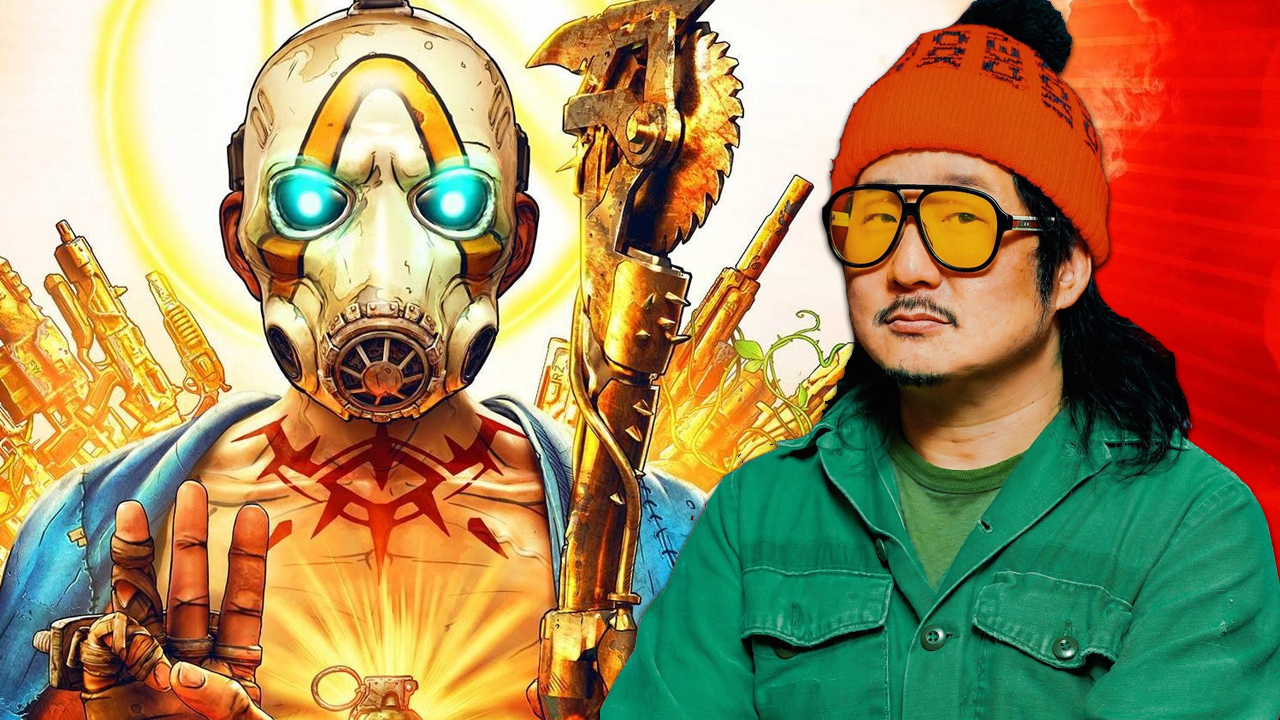
    The Borderlands cast is getting another big comedian to fill in the ranks of its ensemble. Bobby Lee revealed on comedian Erik Griffin‘s Twitch stream that he was indeed joining the cast of Eli Roth‘s adaptation of the hit video game. Joining the likes of Cate Blanchett, Jack Black, and Jamie Lee Curtis, Bobby shared that he would be sharing scenes with Kevin Hart‘s Roland. This news comes just a few days after it was announced that Ariana Greenblatt and Haley Bennett had joined the cast as well.

    They’re doing a movie called Borderlands. Cate Blanchett’s in it. Jack Black. Kevin Hart. All my scenes are with Kevin Hart. Eli Roth is directing it. I don’t how I got it. I auditioned but I don’t know how.

    I played the first game and its sequel so this movie was always going to be on my radar. But as someone who religiously follows Bobby’s work, this makes me beyond excited for the movie and Slept King. Bobby Lee stint as a diehard gamer has been chronicled all throughout his podcast career so him getting this job is pretty amazing. He previously hinted at working on a huge movie that required him to travel to Budapest, where Borderlands was announced to be filming. Some fans quickly put two and two together and guessed right. Hearing him just flat-out confirm it in a video game stream and share his bewilderment in getting cast in the first place is so on brand and hilarious. There’s no other info out there on who he could be playing but rest assured, him doing scenes with Kevin Hart is already guaranteed solid comedic moments.

    Source: Twitch

  • ‘WandaVision’ Was Originally 10-Episodes Long

    ‘WandaVision’ Was Originally 10-Episodes Long

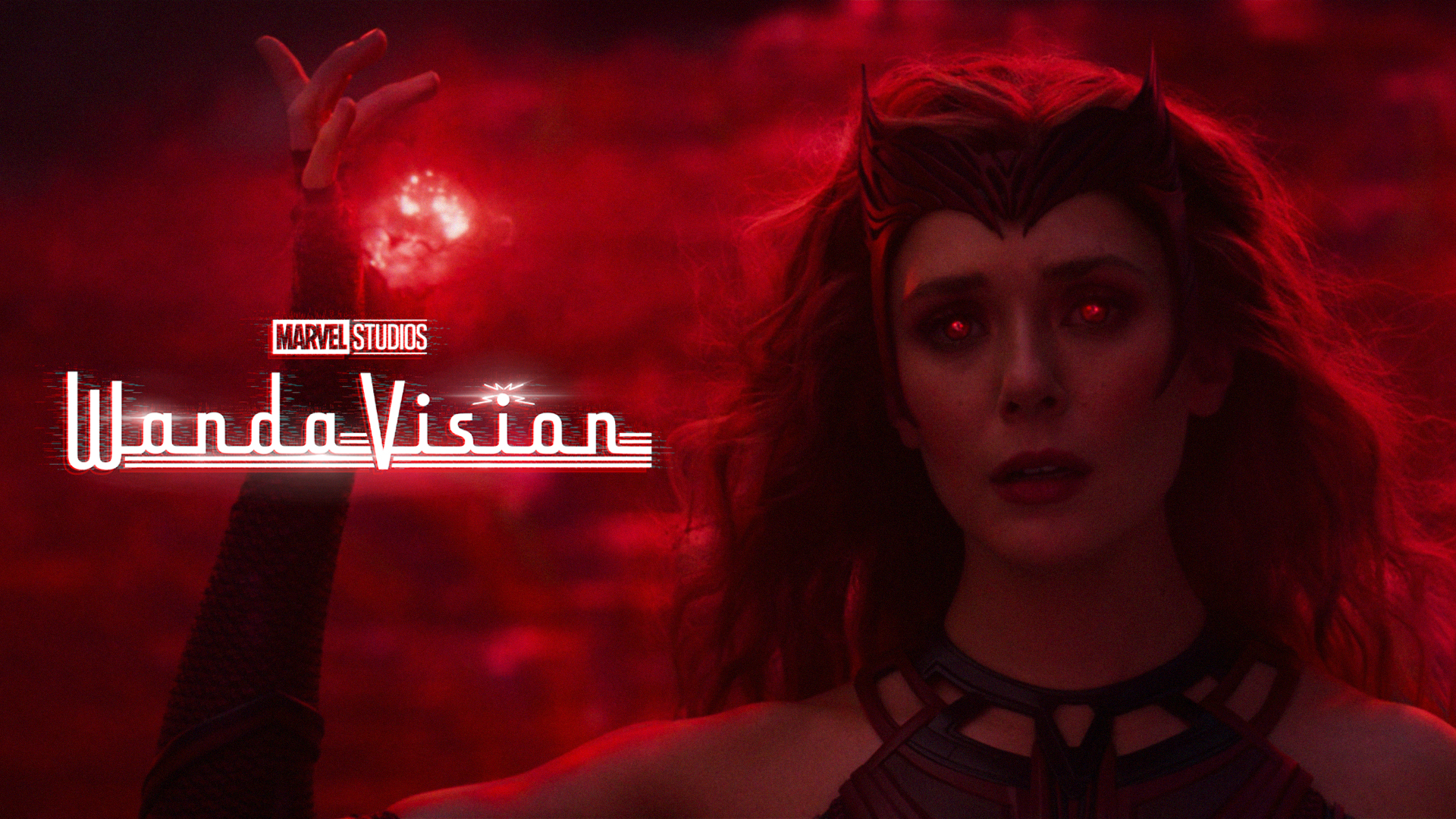
    A huge point of contention among fans prior to the release of WandaVision was the show’s episode count. Kevin Feige continually described Marvel Studios’ streaming output to be strictly in the 4-6 hour count so the possibility of having more just enticed the fans into speculation. Conflicting reports surfaced left and right, as behind-the-scenes evidence pointed towards having more than 6 episodes, with some of our insider sources corroborating it. All the speculation was put to rest when the 9-episode count was confirmed by a Disney+ press release two months ago, or so we all thought. Some fans persisted with the idea that there were more episodes, going so far as to think that Disney+ was putting out a secret unannounced episode for the finale. That didn’t happen as evidenced by this week’s finale but in a new interview with series director Matt Shakman, he confirmed that the show was originally supposed to be 10-episodes long.


    Well, yeah, things were constantly changing and getting rebroken. The story was changing, especially a lot of the real-world stuff and the finale. There was a lot of experimentation going on and sort of trying different things out. We also at one point had 10 episodes planned and we ended up collapsing a couple, you know just to make the rhythm feel a little bit better. But yeah, they constantly changed and then of course, once we wrapped in Atlanta the pandemic hit and we ended up having months off so then further changes during that we were doing post-production and then ideas would come up and little changes would happen as a result.

    There’s been a lot of debate on whether the show managed to efficiently wrap up all the crazy plot threads of the season. Some felt very satisfied with the ending as it delivered a very emotional send-off for all the characters while some felt it was lacking, as some loose ends weren’t properly tied up and that the season would have benefited with a bit more time. Clearly, the filmmakers had more time at one point but then the pandemic hit and changed it for everyone. Judging from the other stuff Shakman has said about the development process, they had to get rid of a lot of stuff they simply didn’t have time to work on. Maybe somewhere in the multiverse, we get a Shakman cut of WandaVision. 

    Source: Youtube

  • ‘Raya and The Last Dragon’: A Very Average Movie with Very Superficial Representation

    ‘Raya and The Last Dragon’: A Very Average Movie with Very Superficial Representation

    WARNING: MILD SPOILERS FOR THE MOVIE

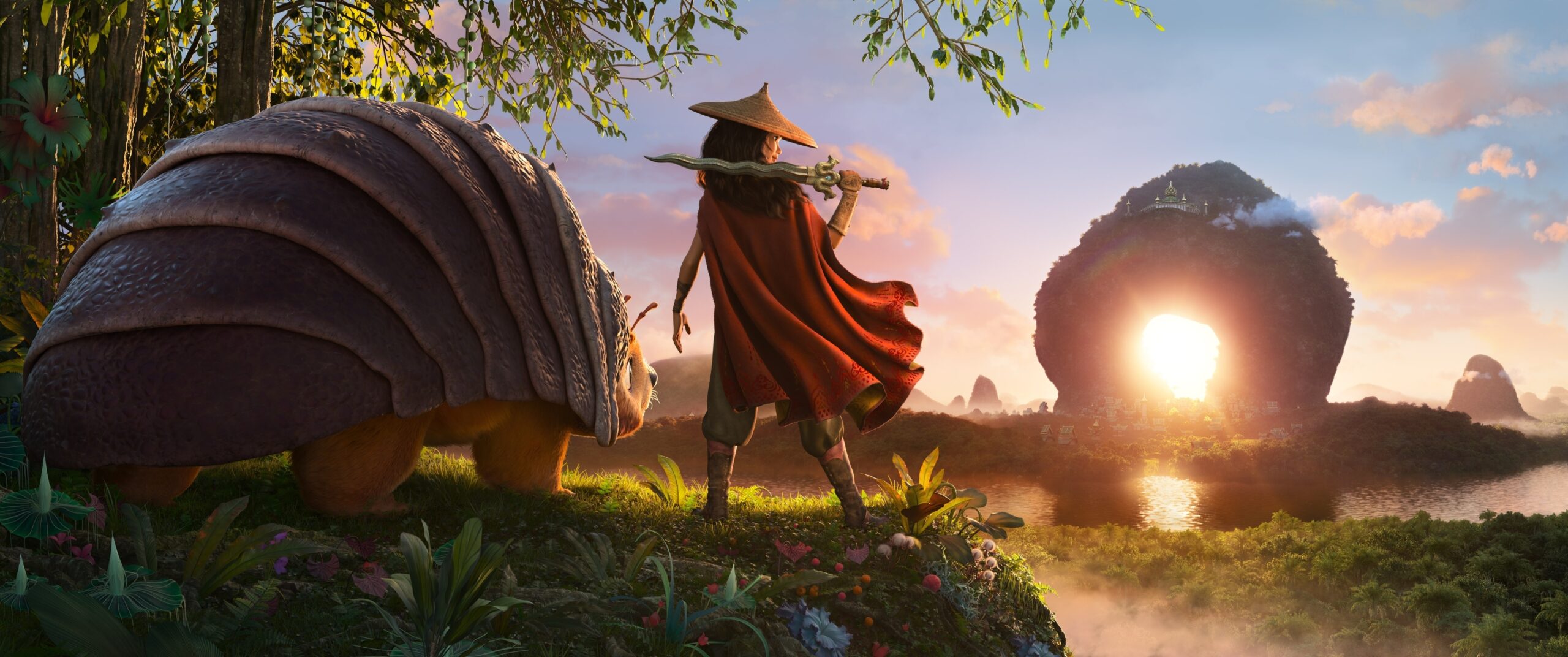
    Approaching Raya and the Last Dragon as a movie and not a benchmark for Asian representation in big media, it’s mostly just okay. It has all you need in a Disney movie; stellar animation, a color palette that’s bursting, cutesy characters, and moments of warmth to boot. And like a handful of these animated Disney movies, this one has tremendous action. Seriously. I haven’t been caught up with all the Disney animated films of the past decade but seeing how great the action was here left me impressed with the stuff they’ve been serving kids these past few years. The story falls short of having enough elements to make it a great movie on its own such as a complete arc for some of the characters but the film still manages to watchable. Kelly Marie Tran‘s voice acting breathes life into Raya fantastically. Awkwafina sounds adorable as the dragon Sisu. However, beyond the things that make a serviceable Disney animated film, it’s evident that Raya and the Last Dragon aspires to be something more. From the all-Asian cast to the Southeast Asian backdrop, the movie is meant to represent a culture that isn’t always seen by global audiences. 

    There’s a moment in the lengthy prologue where the estranged tribes of Kumandra convene in the prosperous land of the Heart tribe for a gathering. The Heart tribe at this point is established as the keeper of the divine dragon gem of Sisu, believed to be the source of the tribe’s prosperity. As they all gathered at the domain’s steps, I couldn’t help but feel anxious yet excited about how these tribes would be portrayed beyond the mishmash of Southeast Asian visuals and design. Being a Southeast Asian myself, there was already a bit of trepidation because of how the majority of the cast was made up of East Asian actors. Were they gonna screw up the other aspects of representation? 

    So there they were – the Fang, Talon, Spine, and Tail tribes – standing gloriously before the wide-eyed Raya. The Tail tribe in particular was the one I saw my Filipino culture in the most. Their complexion looked like mine. Their native attire looked inspired by our native attire. I was ready to be content in simply seeing the distilled image of the Filipino people in a movie as huge as this one. 

    But then they make you realize right away that all the other tribes, save for Raya’s, are totally unlikeable people. 


    Right from the get-go, we learn about the dynamics of a tribal Kumandra. All the tribes are jealous of Heart for keeping the gem to themselves and are desperate to betray each other no matter the cost. We see them do real despicable stuff as they ruin the gathering fast.  “Oh, I guess we’re the jerks in the story,” I thought to myself as these tribes were competing to see who the bigger jerk was.  Now, I understand that this is a story-driven choice but it’s not exactly mindful towards the goal of encouraging representation.  At least, it certainly wasn’t the way I was hoping my people would be represented in their first big Disney outing.

    Raya and the Last Dragon at its core is supposedly a story about unity and trust. About how wounds can be mended if everyone could just get along and trust one another. Raya’s dad Chief Benja repeatedly shares his sentiment in one day reuniting the kingdom of Kumandra as a whole before he gets turned into stone. Being disillusioned by the ugliness displayed by the other tribes that started this whole mess, Raya feels otherwise and doesn’t believe in uniting a kingdom that is so self-centered. But throughout her journey, this outlook changes when she gets to know the other tribes and understands their differences. 

    Or that’s how I wish it happened. 

    The problem is that the film squanders the opportunity to redeem the ugliness displayed by the tribes. This comes in the form of the other tribe members she meets during her journey. Normally, this would make for an ideal time, not only for Raya to mend wounds and sow trust in her heart in place of doubt but for the filmmakers to actually give these cultures they’re claiming to give representation to some depth. 

    Instead, the voices of the other tribes are relegated to literal children (one is an actual toddler). With the exception of Benedict Wong’s Tong, nearly most of Raya’s supporting ensemble are children. Even the titular last dragon, Sisu, is portrayed as a naive child-like deity who has difficulty understanding humanity. The kids and Tong want one thing which is to bring back their families who were touched by the Druun and nothing more. That’s not to say that isn’t valid motivation but it’s clearly one that doesn’t lend itself to the film’s key themes. There’s not one discussion in the movie where the tribes get to settle their differences and realize that despite it all, they’re all one and the same under Kumandra. The movie fails to reconcile all these thematic pieces meaningfully.

    The film also has a seemingly unintentional subtext about privilege and wealth as Raya continually laments how awful people are for fighting over a gem without realizing that her people benefitted the most from the gem out of all the tribes. How or why the Heart tribe came to be the keepers of the gem is never addressed too. She doesn’t take a moment to think what the other tribes’ notions were of being deprived of the gem in the first place. Raya just thinks everyone is totally jealous of them.


    And look, I’m fully aware that this is a kids’ movie. But in an era of Disney animation where films like Inside Out and Soul tackle real existential themes of humanity in the most poignant way possible, missing the mark on thematics is very careless. Seriously, there are some straight-up contemptible characters here whose errors are never pointed out. All the bad stuff they do is magically handwaved away when the credits roll. And I’m not also asking for a reckoning for these characters nor am I saying that my people can never ever be portrayed as people with questionable morals, but on a stage as huge as a Disney film that a lot of eyes will be glued to, at least give us the benefit of having depth and somewhat of a redemption.

    These issues only outline the bane of this movie: representation. More nuanced and educated people have said their piece about the glaring lack of Southeast Asian talent in a film that’s supposed to pay tribute to Southeast Asian culture but I’d be remiss as a Filipino if I didn’t say they could’ve done a better job in representing the world I grew up in. They absolutely could have done a better job. I don’t understand why they couldn’t find any other Southeast Asian voice talent to round off the cast when not one cast member wields a name brand that would instantly sell a movie. Box-office economics clearly isn’t a worthy argument. From a design standpoint, some creative choices are questionable. They even based one tribal location on the Wild West which is totally baffling. The dragon designs feel so far removed from how dragons and serpents have been culturally and historically depicted in select Southeast Asian countries. I understand that they wanted to make it the next furry stuff toy kids can buy but they end up being so unrecognizable. They almost look like My Little Pony characters, even. 

    Had they treated all these characters with more nuance, with some semblance of a meaningful payoff in the end, my tune would be different. Parts of this movie left me with a bad taste in my mouth. There’s a moment where a young Raya just totally bad-mouths each of the tribes in front of her father. She describes the tribe that resembles Filipinos as “mercenaries who fight dirty,” and makes more comments on how worrisome, weird and exotic the other tribes are from theirs. Those tiny digs may seem innocuous coming from cute characters but they end up sounding like microaggressions, intentional or not.

    To the outsider, these qualms may feel very nitpicky, almost to a fault, even. But in a global platform where Southeast Asian representation is few and far in between, wasted opportunities like this feel frustrating. I’m sure the filmmakers’ intentions and efforts to pay respects to Southeast Asian culture aren’t mired in malice but in light of its shortcomings, it definitely feels superficial.

  • What We Heard This Week: The Villain of ‘INTO THE SPIDER-VERSE 2’

    What We Heard This Week: The Villain of ‘INTO THE SPIDER-VERSE 2’

    The complicated notion of the Multiverse has long been a staple in high-concept fiction but in the world of comic book films, it was only until the last couple of years that the idea became a lucrative prospect, when it culminated in the box-office and critical success of Spider-Man: Into the Spider-Verse. The film was Sony’s rare diamond in a consistent streak of roughs so it came as no surprise that a sequel was put in the works shortly after. Since then, we haven’t heard much about the sequel until this week when a source tipped us off to the identity of one of the sequel’s key baddies: obscure Spider-Man and Daredevil villain, The Spot.


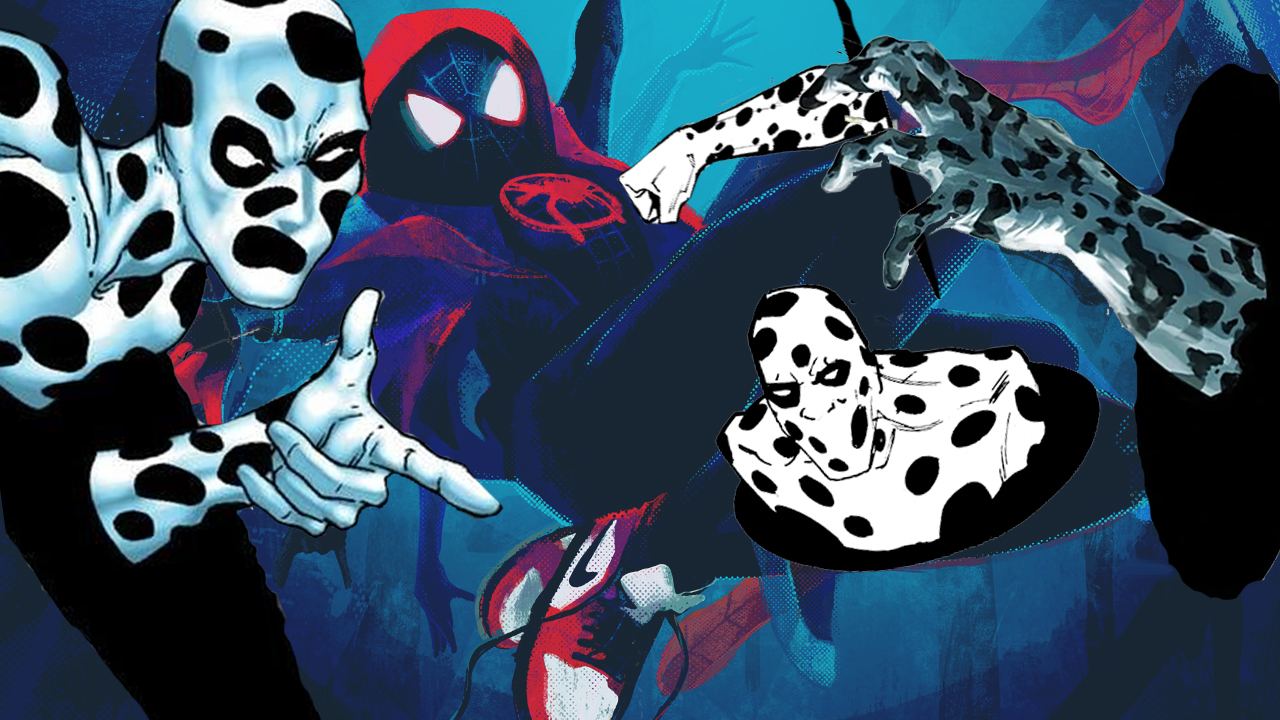
    For the uninitiated, The Spot is one of those obscure Spidey villains who occasionally showed up here and there to terrorize the likes of Spidey and DD with his goofy yet powerful abilities. The Spot has the ability to access and manipulate portals in any space (drawn as spots in the comics) which he uses to transport himself or any part of his body. He commonly uses it to have his foes punch their own faces or to assault them from all directions but it has oftentimes been used for more sinister purposes. In Mark Waid’s Daredevil run, the Spot appeared in a key role, wherein his power gets harnessed by another villain called Coyote, who then uses it to operate a global human trafficking empire by kidnapping victims remotely. The science behind his powers is never fully explained but they mimic some of Cloak’s ability to access a different dimension. The potential of his abilities is also beyond what’s been depicted so far, not to mention he has close ties with Kingpin so he’s absolutely a perfect fit should this be true.


    As always our What We Heard This Week reports, take this with a grain of salt. We’re working with a new source on this and have yet to confirm this with another source as of this writing but thought it was exciting enough to share with you guys. We certainly believe that a character with ties to Spider-Man who has powers like The Spot makes so much sense to incorporate in the Spider-Verse sequel. Production on the sequel began last summer and it is expected to hit theaters on October 7, 2022.