Tag: Movie Features

  • Warner Brothers Discovery Should Develop a Parliament for DC Films

    Warner Brothers Discovery Should Develop a Parliament for DC Films

    There’s yet another period of change happening over at Warner Brothers as the company recently completed its merger with Discovery leading to David Zaslav taking over control. With this merger came the report that the new leadership was unsatisfied with the current state of DC projects, believing that certain pillars of the brand have been cast aside and forgotten about. In fact, it was recently revealed that Zaslav and company are looking to find a Kevin Feige-like figure to lead the DC film franchise into a more cohesive direction and build something similar to what Marvel Studios has with the Marvel Cinematic Universe. The only issue here is that they don’t just need a Feige, Warner Bros. Discovery needs a parliament, too. 

    The Parliament is a group of executives that actively work alongside Feige, helping to determine what projects should get made at Marvel Studios. The idea here is that Warner Brothers Discovery should continue its search to find a business-experienced individual to lead its DC films, but surround that leader with a creatively experienced council of producers that can help build the film franchise.

    This idea sprouted from many folks online who’ve pitched a lot of really talented folks for the position, but the names being tossed around don’t appear to be what Warner Brothers Discovery is looking for.

    Draft Pick #1: Greg Berlanti

    Whether or not you like the Arrowverse or not, you cannot deny that it is not something super impressive based on how far it has grown and developed. Since the premiere of ArrowGreg Berlanti has been the man behind it all, shaping a shared universe of DC characters onto the small-screen. Along with Arrow, shows like FlashSupergirlBlack Lightning and Batwoman have built a rich universe of characters that have come to be beloved by fans. The way they put together massive, multi-show crossover events year after year is impressive, and his input on shaping the cinematic universe could be quite useful. 

    Draft Pick #2: Jim Lee
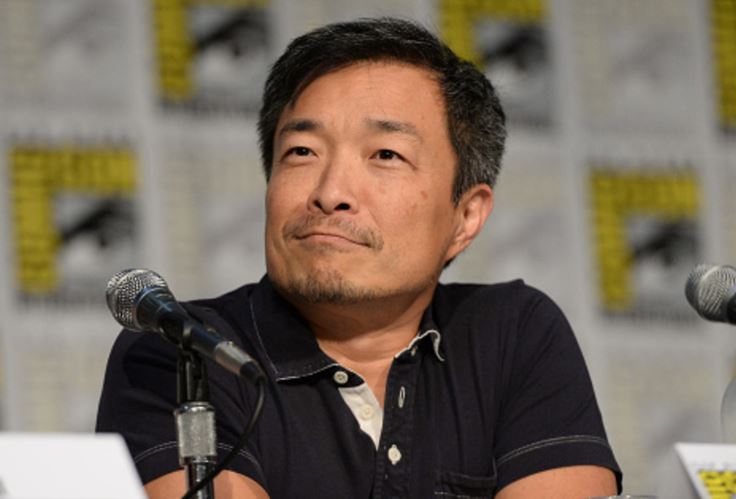
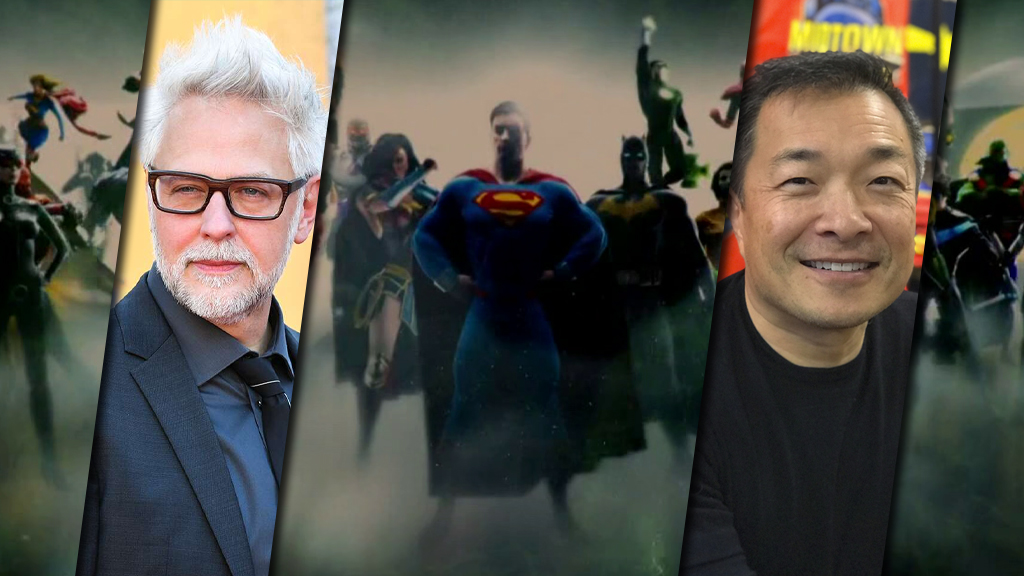
    When the news initially broke that Warner Brothers Discovery was looking for a Feige-type, many folks immediately suggested that Jim Lee be the man for the job. The last time we had someone like Lee in that position it did not work out too well, with Geoff Johns being placed elsewhere. Lee, however, is still a vital asset to DC and continues to serve as Chief Creative Officer and publisher for the company. Lee has been a major part of DC since 1998 following the acquisition of Wildstorm comics. Jim Lee’s passion and knowledge for the DC mythos is something that could be super valuable creatively as part of the DC Parliament. 

    Draft Pick #3 and #4: Bruce Timm and Paul Dini

    These are names that just about anyone that’s ever dipped a toe into the comic book world would know, while some might even call them legends for the work they’ve done with the DC Universe. Dini and Timm, of course, are best known for their work in the animated space of DC, building a shared animated universe with series like Batman: The Animated SeriesThe New Batman AdventuresJustice LeagueJustice League: Unlimited, as well as quite a few animated DC films. The work the two have done should not go unnoticed, and their experience would be incredibly beneficial to building a cinematic DC universe. Justice League: Unlimited is quite the prime example, with the series juggling a wide library of characters, giving many lesser-known characters their time in the limelight, and getting young fans associated with the universe and all it has to offer. 

    Draft Pick #5: James Gunn

    People have suggested Gunn before, believing that he could be a great pick to lead the DC Extended Universe and act as their Feige figure, and creatively, yes, Gunn could put together some really great stuff but he isn’t what WBD is looking for and Gunn has said he doesn’t want the job. So don’t give him that job, give him this one. This creative advisor position could be perfect for Gunn, having seen how things run over in the MCU and his vast knowledge of comic book films could be very beneficial to the DCEU as it goes through a growth period. Gunn’s past adaptations in both the MCU and DCEU have been praised by fans and critics alike, his input should be recognized by the folks looking to change things behind the scenes.

    Draft Pick #6: Gail Simone

    Simone is probably one of my favorite writers at DC, she’s done incredible work with plenty of iconic characters in the DC library. Some of her most notable works include BatgirlBirds of PreySecret Six, and Wonder Woman. She could be yet another creative asset for those at Warner Brothers Discovery, as some of her work has been incredible face-lifts for pre-existing material. I think it’s best to get a council of folks from all different occupational walks of life and Simone would be their best bet in reworking some aspects of the DC universe. Simone has experience in these fields as well, having written for shows like Justice League: Unlimited, Batman: The Brave and The Bold, and is even working on the upcoming Red Sonja film. 

    This is merely a hypothetical that Warner Brothers Discovery could benefit from if they’re looking to move more into the way Marvel Studios does things. These positions, though, would merely be advisory to help build a cohesive universe and storyline that each project would help progress. Here’s to a better and brighter live-action DC Universe, one that all fans can enjoy together.
  • THEORY TIME: Illuminati’s Dark Secret in ‘Doctor Strange in the Multiverse of Madness’

    THEORY TIME: Illuminati’s Dark Secret in ‘Doctor Strange in the Multiverse of Madness’

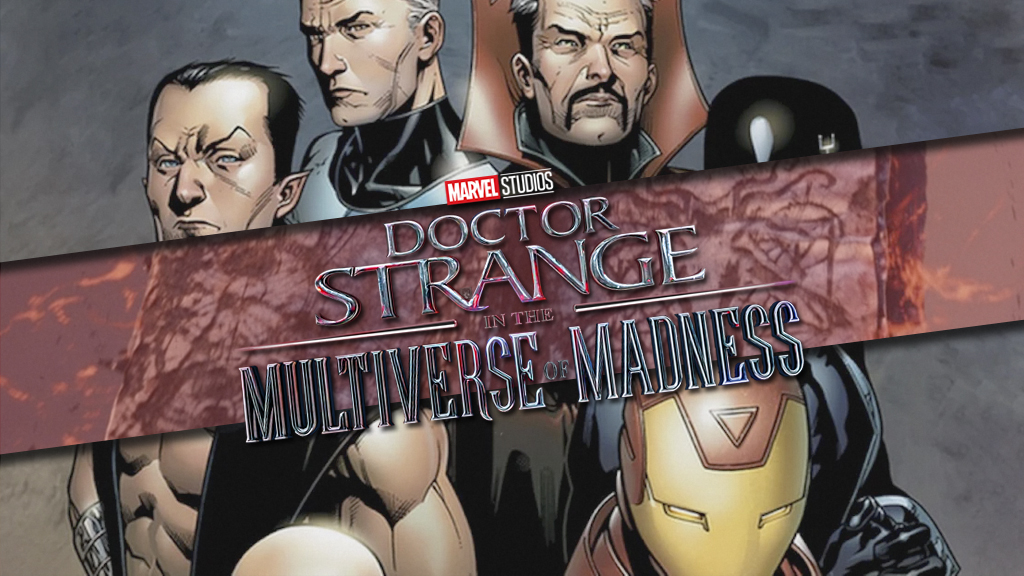
    We are only a week away from Marvel Studios’ next film, Doctor Strange in the Multiverse of Madness. With a title like that, there’s a lot that they can do and with the horror elements teased, it does seem like Doctor Strange is in for quite the ride. We know he’ll meet America Chavez, Wanda may fully embrace the Scarlet Witch, and he’ll meet a mysterious organization, which recently finally was confirmed as the Illuminati. Yet, there’s still one major question that’s on everyone’s mind: What exactly is going on?

    What stood out to everyone in the second trailer released for Multiverse of Madness may be the confirmation of Patrick Stewart returning to the Marvel universe. Yet, they are still keeping his appearance a mystery with the bizarre words “We should tell him the truth.” We hear Mordo accuse him early on that he is on trial due to something that he’s done to reality, which many believed could be a connection to Spider-Man: No Way Home. As is Marvel’s usual process, they could’ve easily cut a few scenes together to make that sequence come together with the way it does. Who knows if Mordo is actually referring to the Strange we know at this very moment.

    So, it could be that the crimes he’s standing trial for are not his own, but rather the result of a Variant–especially with the different incarnations of Strange teased throughout the various trailers. Or, there’s always the chance that he does something alongside Chavez that ends up dragging him across the multiverse and in front of the Illuminati. Still, it doesn’t explain exactly the “truth” that is implied in the trailer. It’s almost as if they are hiding something from the world or even the multiverse.

    While in the comics, they have done some shady things as a group, especially when they were the cause for Hulk’s invasion of Earth after shooting him into space. Yet, as that storyline has been explored without their inclusion in Avengers: Age of Ultron and Thor: Ragnarok, it opens up other opportunities. The most prominent one might be that they have some kind of connection to what may lead Wanda Maximoff down a darker path within the MCU.

    What Is The Darkhold In The Marvel Universe?

    We’ve seen glimpses of her at the facility that matches the one where the Illuminati reside. While Doctor Strange may have gotten their attention with his activities across the multiverse, they aren’t that innocent either. The biggest threat to their reality was already hinted at in WandaVision when Agatha Harkness revealed the power that Scarlet Witch holds and what it may unleash upon reality.

    If the Illuminati feared what she may unleash upon all realities due to the same prophecy, it wouldn’t be too surprising that they had a hand in keeping her from potentially reaching her true potential. Perhaps, it’s connected to her children Billy and Tommy that technically exist within the multiverse but have become a constant that they always keep away from her. It’s a dream that is never meant to come true and they are the reason for exactly that.

    Tom Cruise als Iron Man & mehr: Dr. Strange 2 wird wild! - Analyse

    Ironically, it might be the exact reason that her fury is unleashed upon the multiverse. We’ve seen it teased in the trailers, as a blood-drenched Wanda is seemingly unleashing chaos magic. If their comic history is anything to go by, the Illuminati tends to screw up the life of others for the “greater good” and it tends to backfire on them. So, with Wanda’s prominence in Doctor Strange in the Multiverse of Madness, it seems likely they will once again be their own worst enemy.

  • REVIEW: Sam Raimi Did It Again With ‘Doctor Strange in the Multiverse of Madness’

    REVIEW: Sam Raimi Did It Again With ‘Doctor Strange in the Multiverse of Madness’

    Sequels aren’t always a sure thing. For every The Empire Strikes Back, there’s a Speed 2. Sequels to superhero films have the benefit of a little more freedom in telling a good story as they are no longer shackled by the weight of the “origin”, but they don’t always hit the mark either. In 2004, Sam Raimi delivered what many consider to be the best superhero sequel of all time in Spider-Man 2. It featured a flawed protagonist and a sympathetic villain; it featured what were, at the time, some of the most well-shot action scenes of any film in the genre. Not just that, but it also featured a story that stirred emotions across the spectrum. In 2022, Raimi has done it again.

    The path to Doctor Strange in the Multiverse of Madness was about as chaotic as Stephen Strange’s trip through the multiverse in the first act of the film. Scott Derrickson, who helmed 2016’s Doctor Strange was set to be back in the director’s chair, but in January of 2020, Derrickson dropped out of the film when it became clear he and Marvel Studios had two entirely different films in mind. A month or so later, Marvel Studios began putting together a new creative team made up of Michael Waldron, whose work on Loki thrilled the folks at Marvel, and Raimi, who had been out of the superhero game since 2007’s Spider-Man 3. COVID delayed the start of filming and then the film underwent significant additional photography. Perhaps no Marvel Studios film caused more preemptive hand-wringing than this film did, but the end product makes it clear that Waldron, Raimi, and the rest of the team were truly taking their time to deliver the best possible version of this film and that’s exactly what they did.

    Marvel Studios’ Doctor Strange in the Multiverse of Madness (2022)

    The film opens up in media res and introduces the audience to a Variant Doctor Strange who is protecting Marvel’s newest young hero, America Chavez, from a pretty terrifying demon. Amid a brutal assault on Defender Strange, we learn that this demon is in pursuit of Chavez because it wants her powers, which allow her to travel the multiverse. Chavez and Defender Strange are not only trying to evade the demon but also get their hands on the film’s big MacGuffin, the Book of the Vishanti. When things get ugly, so does Defender Strange, setting the stage for one of the film’s running themes: that no matter what universe we’re in, Stephen Strange is a danger and can’t be trusted. Using a star-shaped multiversal portal, Chavez escapes and finds her way to the MCU’s Prime universe and is under attack once more. After battling the beast, Strange and Wong realize that the source of its power is different from theirs and decided to seek out a magic-user with a similar set of powers: Wanda Maximoff.

    Doctor Strange in the Multiverse of Madness is the first MCU film that has the Disney Plus series as “required viewing”, especially when it comes to Wanda. While fans could have skipped WandaVision and figured things out as they go along, having been along for the ride is helpful. It’s here, with Wanda, that Marvel makes one of their boldest choices to date: having one of their core Avengers turn heel, just as she did in the comics. Following a brief conversation with Strange, Wanda reveals that she is after Chavez’s powers in order to find a way to reunite with her sons. A conversation between Strange and Wanda leads to a confrontation in which the Scarlet Witch unleashes a shockingly brutal attack on Kamar-Taj, which rounds out the first act of the film, sending Strange and Chavez on their trip through the multiverse.

    Marvel Studios’ Doctor Strange in the Multiverse of Madness (2022)

    Fans may never know what Derrickson‘s film would turn out to be, but Marvel Studios should be damn glad that Raimi wanted to make this version. From beginning to end, this is a Sam Raimi film. Sure, he’s telling a story within the confines of Marvel Studios’ shared universe, but he’s telling it in classic Raimi fashion and appearing to have a whole lot of fun in doing so. Multiverse of Madness looks like a Raimi film; it delivers his signature (and surprisingly violent) horror; it delivers, most importantly, the most complete and emotionally stirring story of Phase 4. After a decade-plus away, Raimi showed that he understands now, maybe more than ever, that a good superhero story has to have a heart, especially when someone is trying to rip it out.

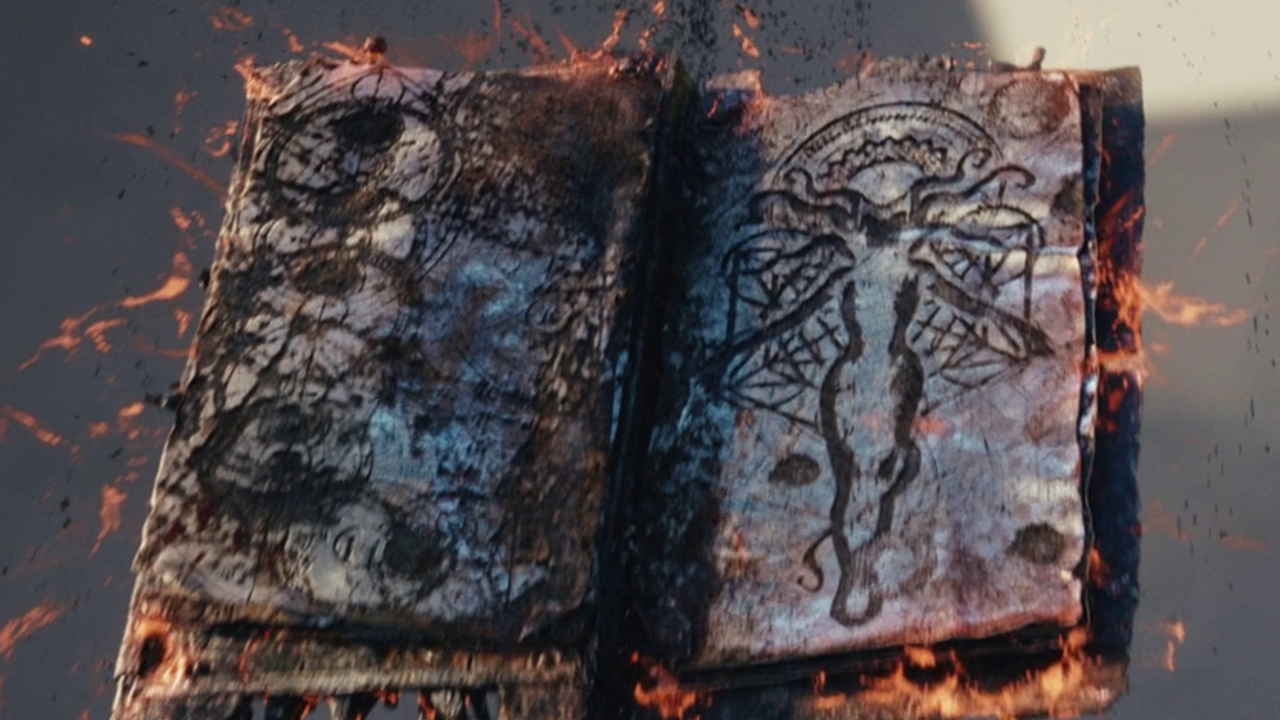
    Lizzie Olsen’s Scarlet Witch holds nothing back as she attempts to do just that. Much as with Doc Ock in Spider-Man 2, Wanda’s turn as a villain works so well because the audience wants what she wants: for her to have her kids back. Corrupted by the Darkhold, however, the lengths to which Wanda is willing to go to get them back allowed for some of Marvel Studios’ most innovative and interesting action scenes to date where Raimi and crew got to have a whole lot of fun devising fascinating ways to show magic being used on screen. Olsen’s performance continues to demonstrate her total command of the character. It’s the subtle head tilt here, the smirk there, and the changing tones of her voice that come across as truly terrifying.

    Marvel Studios’ Doctor Strange in the Multiverse of Madness (2022)

    Opposite Olsen and in her way is Benedict Cumberbatch’s Stephen Strange. Cumberbatch is given much to do here, playing multiple versions of his character, and puts together easily his best turn as the character so far. Following the 2016 origin film, the character hasn’t had much room to grow. Here, Strange’s path through the multiverse, where he learns the stories of other Stranges, forces the hero to look inward, providing the growth necessary to propel the character forward into whatever story he’s placed into on Marvel Studios’ shared tapestry.

    As strong as its lead performances are, the film is enhanced by the knockout performances of Rachel McAdams, Benedict Wong, and Xochitl Gomez. McAdams is particularly surprising in her return as Christine Palmer, who has much more to do here than one might have expected, including some of the film’s strongest statements about Stephen Strange. It’s the moments like these that Palmer, Wong, and Chavez spend with Strange that build an emotional currency within the audience and a master like Raimi knows just how to spend it. This is a huge film that makes big moves within the MCU, but Raimi manages to balance that with a series of small exchanges between characters that resonate because both the audience and Strange know he is flawed.

    Marvel Studios’ Doctor Strange in the Multiverse of Madness (2022)

    For the MCU to continue to thrive, the aforementioned big moves need to continue to be made. In that sense, Doctor Strange in the Multiverse of Madness seems to be to the MCU what Captain America: The Winter Soldier was in 2014. Not only does this film feel as different from its predecessor as Winter Soldier did from First Avenger, but it also comes out swinging with an almost merciless 20-minute deluge of information that’ll be sure to have fans wanting to head right back in for a second showing and heading to Wikipedia after that. If you thought Marvel Studios gave it all away when they teased the Illuminati in a TV spot, you’re sorely mistaken. This film is a game-changer and the most direct setup for the MCU’s next big event film.

    In the end, it all comes back to the magic touch of Waldron and Raimi. They delivered on characters, story, and action to make the most complete film of Phase 4 and maybe one of Marvel Studios’ most complete films to date. Fans of Raimi‘s work will have plenty to smile about as well, with a few references sprinkled in and the obvious influence of Raimi on some of the creature and character designs. Against all odds, he came into a project that seemed to be held together by a thread and by capturing that old magic formula, made one of the best superhero sequels of all time.

  • New ‘Doctor Strange in the Multiverse of Madness’ Clip May Hint at a Curious ‘Moon Knight’ Connection

    New ‘Doctor Strange in the Multiverse of Madness’ Clip May Hint at a Curious ‘Moon Knight’ Connection

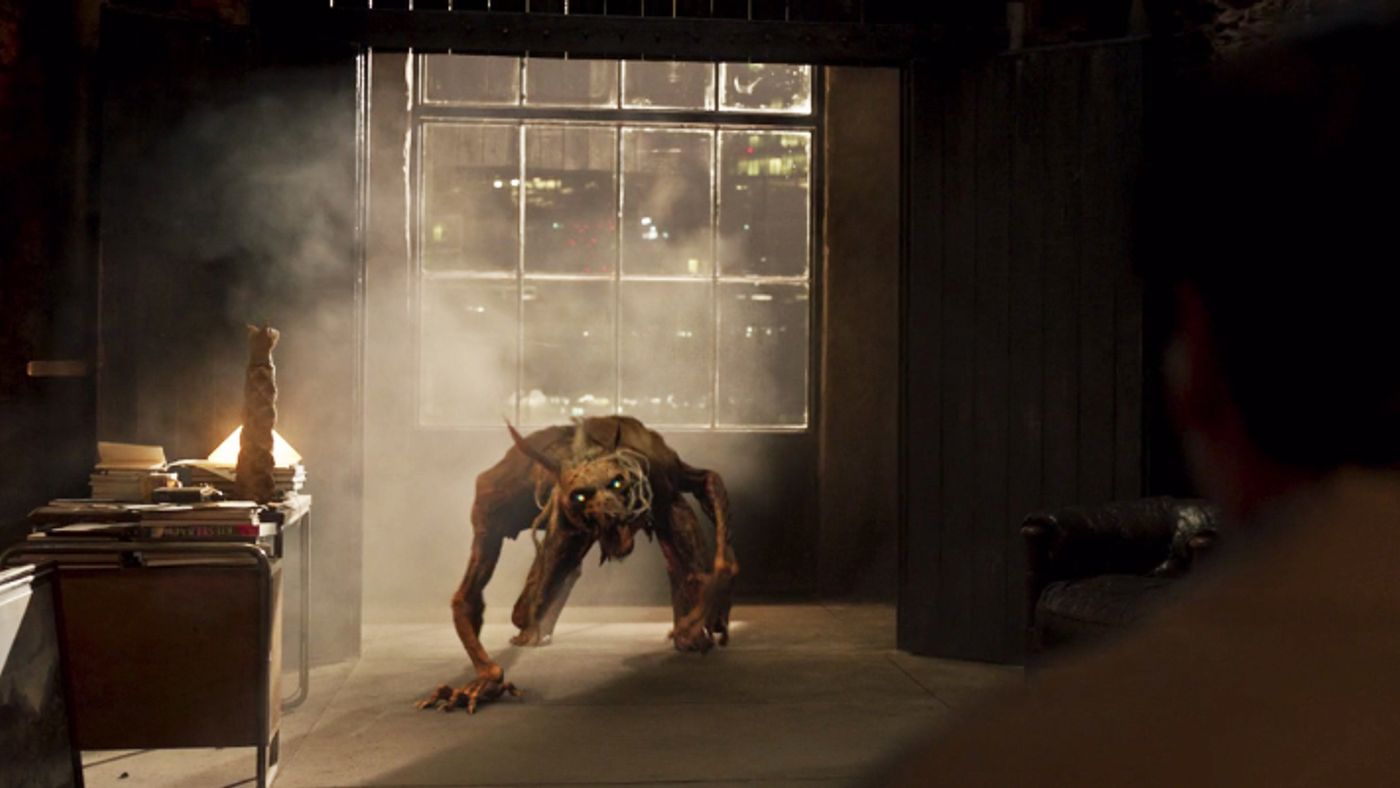
    A clip for Doctor Strange in the Multiverse of Madness shows off Doctor Strange’s abilities while he is protecting America Chavez. At first, she is seemingly being attacked by an invisible enemy that Strange unveils to actually be Gargantos, the MCU’s version of Shuma Gorath. While he was heavily promoted with promotional artwork, it seems like we’ll see the character quite early in the film. Yet, the moment we saw the bus being picked up by something invisible, it was quite reminiscent of another recent Marvel Studios project that included otherworldly monsters. It reminded me of when Steven Grant was being chased by invisible jackals in Moon Knight.

    It almost seems like there’s a chance that creatures from another world are invisible when they enter our reality. Arthur Harrow uses his staff provided by Ammet to open a portal through which these mysterious jackals come crawling out. While Grant was able to see them, probably due to his connection to Khonshu, Layla had no idea what exactly he was talking about. We would then see the strange creature leave an impact on the world with a car getting crushed and more. So, while it seems like he might be in Grant’s head, he actually has a tangible effect on the world around him. The same rule applies to his God Khonshu, who seemingly can only be seen by him and no one else.

    Moon Knight Episode 2: Why Only Steven/ Marc Can See the Monsters?

    The clip that was shared seems to have a similar effect, where he is invisible to those standing around and it takes Strange’s magic to give us an actual first look at the creature. So, it does open up the possibility that the many mystical creatures in this world actually can’t be seen by normal people. Shang-Chi and the Legend of the Ten Rings also hinted that many mystical creatures stem from alternative realities. Perhaps traveling into another reality somehow makes them invisible and allows them to stay hidden from the public. That might explain why the MCU rarely mentions any supernatural creatures and they still remain legends or stories.

    With the Halloween special on the horizon, we might get to explore that aspect even more. Elsa Bloodstone is rumored to appear in the Werewolf by Night project, and someone who specializes in monster hunting seems like the perfect person to finally explain why these creatures are seemingly invisible. The consistency between Multiverse of Madness and Moon Knight adds a little speculation to how these creatures work within our world. Plus, it’s a great consistency if this is, in fact, how they’ll tackle these supernatural creatures moving forward.

    Source: Twitter

  • Muerto Menos: Why Sony’s Bad Bunny Superhero Project Is Far From A Lifeless Proposition

    Muerto Menos: Why Sony’s Bad Bunny Superhero Project Is Far From A Lifeless Proposition

    Earlier this week, fans received the news that Latin hip-hop multi-hyphenate Bad Bunny (or if you prefer, Benito Antonio Martínez Ocasio) would be playing a superhero. This announcement came by way of Sony Pictures, who saw the potential in him due to his upcoming appearance in Bullet Train. Sony, on the heels of the tepid reception of Morbius at the box office, was understandably in no position to receive goodwill from comic book movie fandom. Yet, for the general audience, the news was even more perplexing when it became apparent exactly which member of the Sony Universe of Marvel Characters Bad Bunny would be playing: the Lucha pro-wrestling-themed antihero El Muerto.

    It’s obvious that the initial response to the news prompted a million Google searches. I’m sure the Marvel site appreciated the spike in traffic, but in El Muerto, aka, Juan-Carlos Estrada, Sony has gone deeper than the deepest of comic character cuts, and across the social media world, that confusion quickly gave way to negativity as it was perceived as yet another example of Sony misusing the Spider-Man IP. But is it?

    Obviously, one of the reasons to adapt a comic’s character is to capitalize on the existing fanbase of that character as they move to a new medium. And El Muerto has none to speak of, his two appearances in Spidey comics notwithstanding. However, in Bad Bunny, Sony has an international superstar with a global following in music, as he is Spotify’s most-streamed artist for two years running. The 28-year-old is currently well-positioned to leverage his substantial stardom into a Hollywood vehicle, and a superhero movie, like other action films, will afford him the opportunity to show charm, charisma, and likeability to a broad audience.

    And when you consider the fact that the El Muerto character he is portraying has no profile in the source material to speak of, there will be no constituency of fans decrying the manner in which Bad Bunny imbues the character with Bad Bunny qualities. If Juan Carlos Estrada becomes synonymous with Bad Bunny in the minds of the moviegoing audience, that’s no slight to the comic-reading audience, who probably never thought about Juan Carlos Estrada at all before this week. The bar is low for his performance, even if ultimately he just ends up playing a version of himself.

    Furthermore, there’s a pro wrestling aspect to this character. Bad Bunny, a huge wrestling fan, competed in a celebrity wrestling match in 2021’s Wrestlemania that many observers rank among the best celebrity performances of all time. And we’ve seen the pro wrestling audience activated before when it comes to supporting movie projects based around wrestlers. According to Deadline, Bad Bunny himself chose the character as the ideal fit after meeting with Sony executives, no doubt because of the opportunity to bring together heroics, pro wrestling, and perhaps the most important selling point of the movie: Latin culture.

    Yes, right off the bat, we have to acknowledge that the character of Juan Carlos Estrada is Mexican, and he competes in Mexican Lucha libre as a masked performer, while Bad Bunny is Puerto Rican. As of yet, it has not been confirmed whether the character will be reimagined as Puerto Rican or whether Bad Bunny will portray a Mexican, and obviously, either outcome would be less than ideal for an authentic representation of the culture that the character was originally conceived as embodying. However, it should not be discounted that Hollywood projects which cast Latinx leads are tremendously rare, despite that group representing a substantial segment of the moviegoing public, and with respect to major superhero movies, El Muerto and DC/WB’s Blue Beetle will be the first.

    And for all of the things, the Marvel Cinematic Universe has done well, giving Latinx communities the opportunity to enjoy a film that celebrates and features cultural elements that resonate with them is something the studio has somewhat dragged its feet on. There is a tradition of lucha-style wrestling in both the Mexican and Puerto Rican communities, and the El Muerto hero arc in particular touches on themes of family legacy and the responsibilities of carrying on the tradition, which should resonate with these groups if handled by capable creatives.

    And ultimately, that’s the biggest “if” of all with respect to this film. Will the diversity we’ve come to expect behind the camera when a project centers on a demographic other than a white male protagonist be realized, and will that result in a group of creatives on El Muerto that will raise its ceiling in terms of quality and authenticity? In a vacuum, the announcement of a film about a Lucha pro wrestler who is also a superhero might be viewed in a positive light (though when it comes to the project as a celebrity star vehicle, your mileage may vary).

    From a special effects standpoint, the film shouldn’t have to do much to convey the character’s power set, which means that the budget can stay fairly low. And with an international superstar aboard who is enthusiastic about the project, marketing should take care of itself. The movie just has to be good. And while concern about that part is certainly understandable, we fans would have those concerns no matter which Marvel character was being adapted by Sony. But ask yourself: Wouldn’t you rather roll the dice on a character that you don’t care about them getting wrong as opposed to one that you do?

  • ‘Moon Knight’: Why the ‘Black Panther’ Reference is Such a Big Deal

    ‘Moon Knight’: Why the ‘Black Panther’ Reference is Such a Big Deal

    Marvel Studios’ Moon Knight hasn’t shied away from introducing audiences to Egyptian mythology. It has in fact made it as central as possible to the overall storyline. But even though the future of the titular character in the MCU isn’t all that clear due to contractual issues, there are several details and other broader concepts that can, and in all likelihood will be used as stepping stones ahead of their return in future feature films of TV shows. Episode 5 was yet another great example of this.

    Marvel Studios’ Moon Knight (2022)

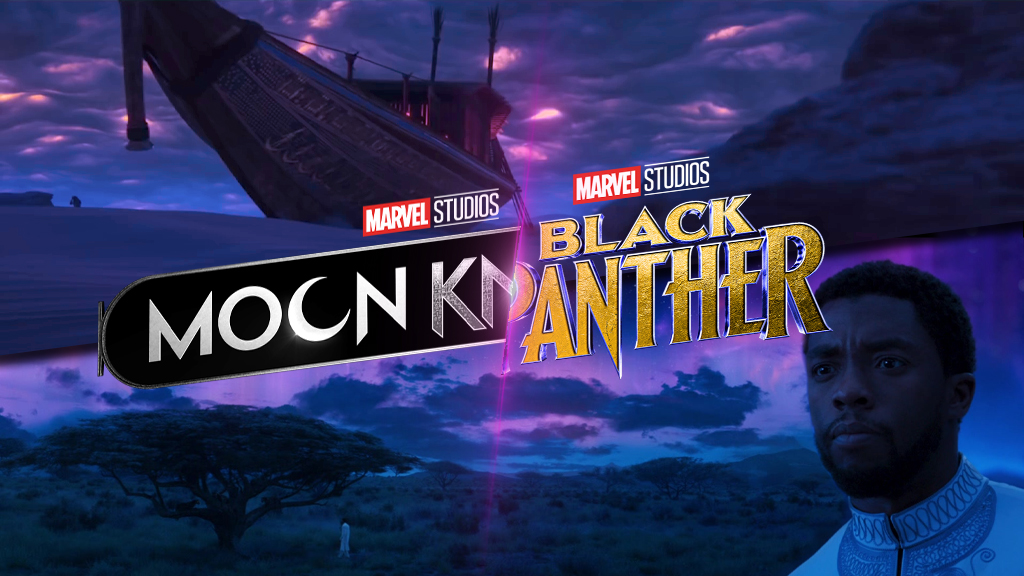
    Following the episode 4 cliffhanger where Steven and Marc are greeted by Taweret, she is quick to try and calm them down by elucidating where they found themselves. She then clarifies that they are in the Realm of the Duat, the realm of the dead in ancient Egyptian mythology. And that due to the Duat’s true nature being impossible for the human mind to comprehend, they may be perceiving the realm as something more easily recognizable. Hence, the psych ward. But the most interesting thing shared by the goddess of Women and Children, of childbirth and fertility, is that this realm is only one of several of its kind:

    “An afterlife, not the afterlife. You’d be surprised how many intersectional planes of untethered consciousness exist. Ah! Like the ancestral plane! Oh! Just gorgeous.

    Tawaret
    Marvel Studios’ Black Panther (2018)

    Getting this Black Panther reference right after introducing the Duat, while extremely cool, it’s also very helpful in driving home the idea that these planes, even though they might have common characteristics and a shared purpose, are very much their own thing. This means that the MCU isn’t combining concepts from different mythologies into a single unified vision, allowing for the future introduction of different pantheons from different cultures spread around the world and their unique takes on the Underworld. God plurality seems to be the way forward for the MCU, something we have already delved into in the past, and that continues to pay dividends each time a Marvel Studios project delves into the subject.

    Following the depiction of Olympus in Thor: Love and Thunder’s first teaser trailer, and seing that Gorr the God Butcher is that movie’s main antagonist, it wouldn’t now be too big a reach to think that the Greek ferryman Charon and god Hermes might show up as gods themselves could end up having to cross the river that divided the world of the living from the world of the dead in Greek mythology. And when it comes to Black Panther: Wakanda Forever, which might end up introducing Aztec gods to the MCU due to an association with Namor, Xolotl, the god of fire and lightning could be next on the list as he was a soul-guide for the dead in Aztec mythology, commonly depicted as a dog-headed man.

    Marvel Studios’ Thor: Love and Thunder (2022)

    So either Gorr the God Butcher ends up being extremely successful in his endeavor to kill all gods or the MCU is definitively moving into a new age where every polytheistic religion will bring us their set of deities that will only help to enrich what is already a packed Marvel Cinematic Universe.

  • THEORY TIME: Russell Crowe May Be Playing the Villain Grim Hunter in ‘Kraven the Hunter’

    THEORY TIME: Russell Crowe May Be Playing the Villain Grim Hunter in ‘Kraven the Hunter’

    Sony is now three movies into is shared universe of Marvel Characters, and for the most part, they’ve all been pretty much the same thing. In Venom, the title character learns to control his abilities and accept his destiny while doing battle with a more sinister version of himself. In Venom: Let There Be Carnage, the title character once again learns to control his abilities and accept his destiny while doing battle with a more sinister version of himself. Finally, in Morbius, the title character learns to control his abilities and accept his destiny while doing battle with a more sinister version of himself. After spending several full minutes studying this pattern and dissecting what may come to be known as “The Sony Formula,” only a single conclusion could be truly reached. In Kraven the Hunter, the title character will likely learn to control his abilities and accept his destiny while doing battle with a more sinister version of himself.

    The real question surrounding the next big Marvel-Sony project is who that “more sinister version” of the anti-hero Kraven will be to fight the titular character. Aside from the Venom sequel’s inevitable use of Carnage, the SonyVerse has had to make a couple deep pulls to materialize antagonists for its solo Spider-Villain movies. The symbiote-heavy stories at least have a handful of “Venom but worse” baddies to choose from, but Morbius literally had to create it’s own original character in order to satisfy the “Sony Formula” developed in the studio’s screenplay labs. As if further proof is needed of the plot recipe’s existence, Matt Smith was originally announced as playing the very minor comic malefactor Hunger before his role was morphed into something that more closely resembled Jared Leto‘s protagonist. So, if one were to try a guess at who the currently-unrevealed villain of Kraven is, they would probably be best off looking for an obscure Spider-Man criminal with a power that reflects the lead’s own skill set. Enter: Grim Hunter.

    In the comics, Sergei Kravinoff is somewhat of a family man. He spawned four children with his lover Sasha, all of whom grew up to be problems for either Spider-Man or Kraven himself. The oldest son and firstborn child, Vladimir, aspired to be as good of a hunter as his renowned father, and eventually dabbled with an experimental elixir enough to make it almost all the way there. Once at full power, he named himself the “Grim Hunter” after a legendary warrior he was told stories about as a boy, and went after Spider-Man. He would ultimately be killed in battle by Peter Parker’s clone Kaine, revived decades later by his mother in the form of a humanoid lion-like creature, and then be killed again by his father for not living up to the family name. It’s a lot to take in, but it’s probably just enough for Sony to use as the basis for a solo Kraven film.

    The problem is that story doesn’t make Sony’s “bad guy who’s also sort of good” come off in the best light, and Aaron Taylor-Johnson seems a little young to be a guy with a fully grown son. This is where Russell Crowe comes in. Back in February, the famed actor was cast in a mystery role for Kraven the Hunter that The Illuminerdi claimed would be Nikolai Kravinoff. Though whether or not this is true remains to be seen, having Crowe as the father of the eponymous Hunter would help to fill in a few blanks where the movie’s antagonist is concerned. While he was never a major player in any specific comic book stories, Nikolai was instrumental in shaping who Sergei would become. He was an abusive dad, who tormented Sergei and his half-brother Dmitri (a.k.a. Chameleon, set to be played by Fred Hechinger in the movie) before dying and leaving the boys orphaned. This life aspect seems like an easy inclusion for the writers trying to make their hero sympathetic, and the recent casting of Levi Miller, who looks an awful lot like a young Taylor-Johnson, suggests that fans might be treated to some flashbacks over the course of the film.

    Of course, Sony wouldn’t get someone as talented as Crowe for a few simple flashbacks, which indicates Nikolai could potentially have a bigger role in the plot than comic book history implies. In fact, it seems likely that Sony could take the comic relationship between Sergei and Vladimir and flip it on its head, casting Nikolai as the legendary “Grim Hunter” and Sergei as the firstborn son trying to live up to his father’s legacy. Doing this would give Taylor-Johnson‘s Kraven a reasonable motive to become the world’s greatest hunter, and the unavoidable climax in which Kraven defeats his crazed poppa and vows to be a Hunter with more honor than him would do wonders in portraying the titular character as more anti-hero than a straight villain.

    The one broken cog in this theory is Christopher Abbott‘s The Foreigner. Recently announced as a villain in the film, the character fits the bill of “wildly obscure Spider-Man villain with abilities similar to the protagonist.” He’s a master assassin in peak physical condition and an expert martial artist. And unless that character is also dramatically altered, there isn’t much there in the way of emotional conflict between him and Sergei. Perhaps they are both after the same target, but even that seems like a weak central conflict. Imagine instead that Crowe‘s Nikolai is pulling the strings in the background, using Foreigner as a test of his son’s might before using the elixir Vladimir used in the comics and taking the stage himself for a grand final duel. Maybe Foreigner is even reimagined as another child of Nikolai, alongside Sergei and Dmitri, dramatically revealed to the audience just before the Grim Hunter coldly kills him for failing to outdo Sergei.

    Obviously, absolutely none of this is confirmed and is almost entirely fun conjecture. It’s a theory that’s been stewing in my brain for a while that I thought would be fun to get out there. It’s very possible none of this comes to fruition, but it would be very entertaining if even an ounce of it turns out to be true. In the spirit of this article, I’ll leave off on one more little theory nugget, throwing out what seems like an entirely plausible post-credits scene based on what we’ve seen Sony do in the past. Chameleon is already confirmed for the movie, and in the comics, is the one who tells Sergei about Spider-Man’s existence in the first place. It feels like this would be something Sony might want to capitalize on. Probably.

    Sources: Marvel, Comic Book, Variety, CBR

  • REVIEW: Jackass Forever Blu-Ray w/ Bonus Features

    REVIEW: Jackass Forever Blu-Ray w/ Bonus Features

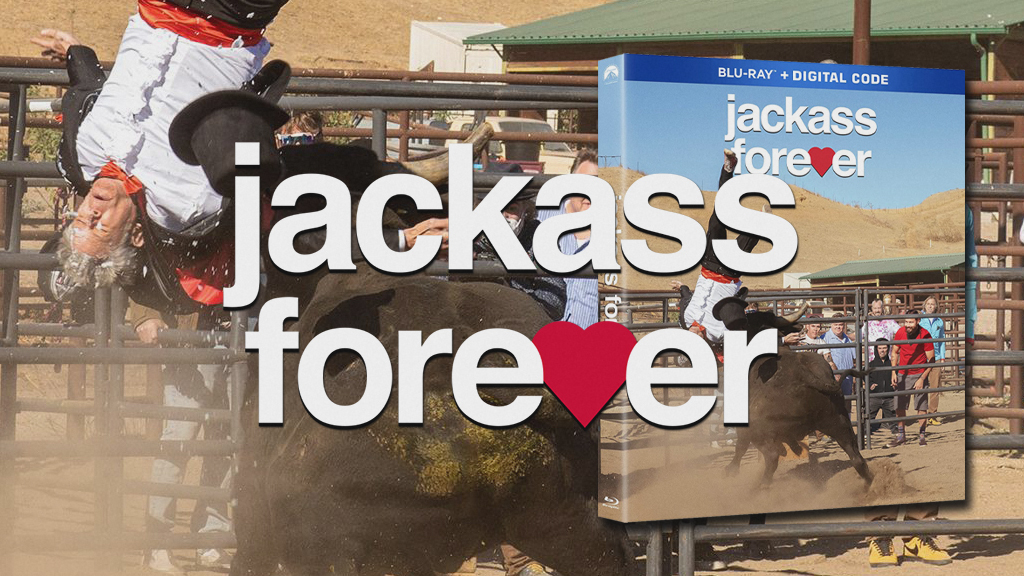
    The Jackass crew is back! After Jackass 3, fans of the franchise have been eagerly been awaiting the return of the Jackass crew. There were plenty of bumps along the way, but the film finally arrived in theaters this past February. After a pretty successful run at the box office followed by its release on Paramount+, the movie finally arrived to purchase on digital, and now Blu-Ray with some bonus features, including some never-before-seen stunts that didn’t make it in the final cut of the film.

    Jackass Forever is definitely the Jackass fans know and love with some new faces added to the mix. The franchise has always pushed the boundaries of what audiences are willing to accept in a film, from the original Jackass‘ infamous butt x-ray to Jackass 3‘s poo cocktail supreme. Unsurprisingly, Jackass Forever takes things even further, and is not for the feint of heart. After all, there is a penis dressed as a Godzilla type monster in the opening scenes.

    While Jackass 3 remains the pinnacle of the series in terms of pacing, Jackass Forever certainly ups the ante in terms of stunts. The latest film is sure to bring fans back to the old days of watching this group of guys perform outlandish stunts with makeshift ramps, to now having the budget to build a human cannon that seemingly stands 50 feet in the air. It has definitely been a massive evolution, but it begs to question whether it really was for the better. While the advancements have been amazing to see, it is hard not to wonder if some of the hook of the original, being normal guys make-shifting stunts and pranks, was lost because of it. 

    On top of the original film, the Blu-Ray release is packed with bonus features. It comes with 16 deleted scenes that include a VR prank and extended looks at some of the pranks done in the film. What stands out most is that, while the film added multiple new cast members, we never really got to know them the same way we got to know the original crew. Thankfully, the deleted scenes do managed to provide fans with more footage of the new cast. Unfortunately, that’s not nearly enough to help keep fans interested in the new cast. Rather than include the various celebrity cameos in the film, surely these new characters could have received the spotlight instead of being shoved to the bonus features.

    Jackass Forever on Blu-Ray is definitely worth the purchase for any Jackass fans out there. If you loved the film, you get more of what you’d expect. While the film’s release made it seem like this was the end of the franchise, one might wonder if the new cast members are a look into the next evolution. You can currently purchase Jackass Forever on Blu-Ray and Digital, or stream it without bonus features with your Paramount+ subscription.

  • How ‘Doom Patrol’ Could Serve as a Template for Marvel Studios Future Plans

    How ‘Doom Patrol’ Could Serve as a Template for Marvel Studios Future Plans

    When Disney purchased 21st Century Fox in 2019, Marvel Studios gained access to the live-action rights of a treasure trove of Marvel Comics characters. The X-Men. The Fantastic Four. Doctor Doom. Galactus. The Silver Surfer. Annihilus. The list goes on…and it really goes on. However, 3 years after the deal was sealed, we’ve only seen a Variant of Kang the Conqueror and some Skrulls, which were already kinda-sorta useable anyway, while Marvel Studios carefully constructs their plans for the mutants and The First Family.

    To date, very little is known about said plans. At SDCC ’19, Kevin Feige announced that a Fantastic Four film was on the way and teased the arrival of the mutants. Since then, however, other than announcing that the new FF film would be helmed Jon Watts, whose recently completed Spider-Man trilogy integrated the Sony-owned Webslinger into the MCU, there has been no official news. Word did come that Marvel Studios was seeking pitches on The Mutants and minor tidbits have surfaced here and there about the Fantastic Four, but nearly 3 years later fans are still in the dark. And that’s ok. It’s ok because, as Feige well knows, Marvel Studios has to proceed carefully with both properties because, simply put, they have to get it right.

    As with Spider-Man, the Fantastic Four and X-Men have had previous and relatively recent films. In the case of the FF, the most recent attempt to bring the characters to resulted in one of the most despised superhero films of all times; in the case of The X-Men, Fox’s love affair with Wolverine and inattention to continuity left some of the best characters on the bench, some others poorly adapted and fans feeling fairly frustrated with the end result. As Marvel Studios attempts to reboot these properties, fans are going to carry their experiences with these previous iterations with them into the new projects. In a way, that means Feige and the Parliament are starting in a hole they didn’t dig, but if they don’t get it right out of the gate with these projects, they’ll bury what should be two different properties that could each generate a decade’s worth of stories.

    Fantastic Four Star Blames Fox for 'Goofy' Doctor Doom: 'It's a Shame'

    As mentioned previously, fans will be be wary of these MCU reboots as they carry the trauma of the previous versions with them into theaters. If the MCU versions of these properties start to follow familiar arcs or feel similar to what Fox did, fans will find themselves triggered and the aforementioned decade of projects will be DOA. In this case, doing it right almost certainly means they need to do it very differently to separate the MCU versions from the Fox versions as much as possible. That’s no easy task, given that both the Fantastic Four and The X-Men franchises have each been “rebooted” once already, however, Feige and The Parliament could find some inspiration in an already established property that has been incredibly successful: Doom Patrol.

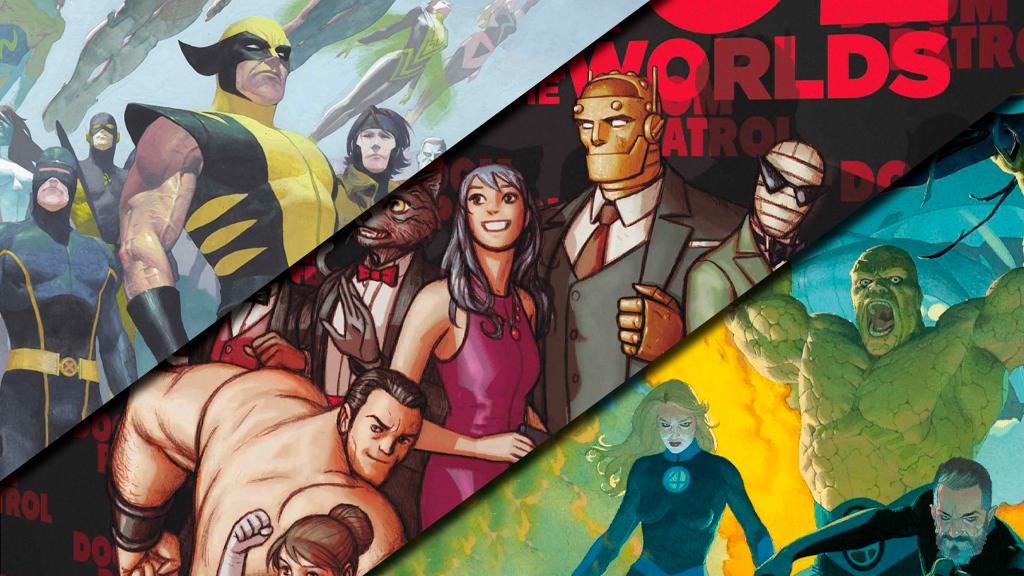
    The three properties are a great example divergent evolution in comics, so while their modern day iterations don’t seem to be incredibly similar, Doom Patrol, the X-Men and the Fantastic Four are fairly inexorably entangled and have been for nearly 50 years. The group of metahuman misfits that came to be known as Doom Patrol first appeared as The Legion of the Strange in the pages of 1963’s My Greatest Adventure #80. Just 3 months later, The X-Men #1 introduced comic readers to the world of mutants whose strange powers kept them from being accepted by society. If the similarities of a team of weirdos being led by a wheelchair-bound doctor/professor hadn’t ever occurred to you, they certainly did to Doom Patrol creator Arnold Drake, who once stated his belief that his plans for the team somehow made their way to X-Men creator Stan Lee, allowing him to launch his book shortly after the Doom Patrol first appeared. While Drake’s stance on “insider trading” softened over time, the reality is that other than some superficial similarities, the books didn’t truly have much in common. The X-Men dealt with themes of social injustice while Doom Patrol found themselves caught up in the incredibly strange types of adventures that fans of the HBO Max streaming series have come to know and love. And in that regard, it’s another group of Marvel heroes that have much more in common with Doom Patrol than the X-Men really ever did.

    As Marvel Studios prepares to bring the First Family to the MCU, they could certainly take a few cues from the way that DC has brought Doom Patrol into live-action. Most importantly, Jon Watts and the creatives behind the project should embrace the strangeness that really defined the early days of The Fantastic Four and has made Doom Patrol a streaming hit. The Fantastic Four has been drastically redefined over the years, but their roots grew through stories about Mole Man and Monster Isle, Skrulls being turned into cows, traveling through time and having Ben Grimm be mistaken for Blackbeard, meeting the Impossible Man and many more ludicrous adventures that often take a back seat to Doctor Doom.

    In order for Marvel Studios’ Fantastic Four to be successful, it has to be different from its predecessors. Embracing the weirdness of the Puppet Master, The Red Ghost and His Indescribable Super Apes, the Mad Thinker and his Awesome Android ensures that nobody will mistake this iteration for one of Fox’s attempts. Doom Patrol has provided a template for doing so successfully, not just because of the weirdness, but because the series has captured something that is also central to the story of the Fantastic Four: a family.

    Sure, Doom Patrol isn’t a family in the same sense that the FF are, but they share a sense of tragedy and loss and loneliness that unites them. Over the course of several seasons, the characters of Doom Patrol have come to know, care for and rely on one another as a result of their crazy adventures and this idea is, at its core, what Marvel Studios could-maybe even should-do with their Fantastic Four. A family of explorers going on the type of weird adventures not previously seen in the MCU, but in the DCEU.

  • The History of Thor’s Armor in the MCU

    The History of Thor’s Armor in the MCU

    After several long weeks of anticipation, fans have finally gotten their first look at Marvel’s Thor: Love and Thunder. The new adventure, from returning director Taika Waititi, will take the God of Thunder through the farthest reaches of the galaxy, and more importantly, put him in a wide variety of new suits. In the span of just one brief teaser, Chris Hemsworth‘s noble protagonist is shown wearing at least seven new outfits. This may be the highest quantity of costume changes we’ve ever seen a Marvel hero pull off in a single film, except for maybe Iron Man 3, and many of the looks appear to be a far cry from the style Thor had when audiences first met him.

    As such, it seems appropriate to take a walk back down memory lane and revisit every single armor the one-time Prince of Asgard has worn during his time in the MCU. From the first time, he raised the hammer in Thor to the last time he laid down the axe in Avengers: Endgame. Let’s get started:

    Thor (2011) – the Mighty Thor

    The armor that started it all. This look was heavily inspired by the suit designed for Thor’s 2007 comic reboot, created by Olivier Coipel, with chainmail sleeves covering Hemsworth‘s bulky arms and a striking red cape flowing down his back. At the time, it was the signature look associated with the character and made much more sense to adapt in live-action than Thor’s original over-the-top comic look. Kenneth Branagh made good use of the armor’s colored highlights, employing their vibrancy as a way of helping Thor stand out against golden backdrops and in the heat of Shakespearian conflicts. These exact threads have not been worn since his first movie outing, but they’re still some of the most iconic associated with the character.

    The Avengers (2012) – Ultimate Thor

    The next time we see Thor, in 2012’s monumental The Avengers, he’s wearing an armor notably similar to the one designed by Bryan Hitch for 2002’s The Ultimates. This look is a little sleeker than one may be accustomed to seeing in an Asgardian sport. It’s perhaps a little more “superhero-ish” than its predecessor, likely to help Thor fit in with his Earthly teammates. The suit removed the sleeves and cape and puts the focus on bulky wrist bands, darker red-streaked pants, and silver highlights. It even removes the famous discs from his torso in favor of flashier Asgardian details. Essentially leisure-wear for the God of Thunder.

    The Avengers (2012) – Avenging Asgardian

    Basically just an evolution of the earlier suit, this is the armor Thor wears after taking a beating from the Hulk and deciding he needs a little more protection for the incoming alien invasion. He summons his hammer and adds an extra layer to the Ultimate-inspired ensemble, bringing back the sleeves, cape, and discs, and adding a little more the wrist bracers. A cool mix of his 2011 and 2012 designs. Who knew hammers also double as a wardrobe summoning.

    Thor: The Dark World (2014) – Game of Thor

    2014’s Thor: The Dark World was received poorly by fans of the character, but it may have had one of the coolest Thor designs to date. Directed by Game of Thrones creative Alan Taylor, much of the costumes and sets created for the movie were reimagined to bring them away from the first film’s high-concept Shakespearean vibe and closer to the realm of gritty fantasy. As a result, Thor’s armor switched from glistening silver to stained gold, with a leather protective skirt, simplified braces, and added chainmail on the thighs. The color of his cape was also dimmed to match the Earth-colored backdrops of the installment. Other parts of the movie feature the armor without its sleeves or cape, but it’s otherwise the same look.

    Avengers: Age of Ultron (2015) – Ultimate Avenging Thor

    Avengers: Age of Ultron infamously took Thor on a somewhat confusing, sidetracked journey away from his Earthly compatriots. However, it did serve up some cool garments with a design that seems to be a mix of all the looks that came before it. Sleeveless like The Avengers, silver, and red like Thor, with the leather skirt from The Dark World to tie everything together. Aside from switching into a fancy party suit, Thor basically maintains this look for the whole movie. Weirdly, the first time he goes without chainmail for a final battle.

    Thor: Ragnarok (2017) – God of Thunder

    The initial, less-famous armor worn by Thor in the fan-favorite Thor: Ragnarok. It draws heavy inspiration from the suit designed by Essad Ribic for 2012’s Thor: God of Thunder comic, with a much simpler wardrobe combination than viewers had seen the character wear at that point in the MCU. It looks to be mostly just a leather torso piece, with basic wrapped bracelets and a dark brown belt and chest strap. Thor wearing this into a conflict against the Fire Demon Surtur and the Goddess of Death Hela says a lot about how difficult he thought the task at hand would be.

    Thor: Ragnarok (2017) – Sakaarian Gladiator

    For the rest of the movie, Thor wears this now-iconic look inspired by the colorful early Marvel designs of Jack Kirby and the 2006 Planet Hulk aesthetic created by Carlo Pagulayan and Aaron Lopresti. A mish-mash of armor jumbled together from items found on the junk planet Sakaar, thrown over the torso piece Thor was wearing earlier in the film. This look also gets super extra bonus points for actually including a version of the character’s famed helmet, which he hadn’t worn since the first Thor and had never been seen being used in a fight.

    Thor: Ragnarok (2017) & Avengers: Infinity War (2018) – Eyepatch Thor

    Debuting in the post-credits scene of Thor: Ragnarok before becoming his main look for most of Avengers: Infinity War, this design features the beloved hero in all-black and with an eye patch. He’s rocking the eye patch because, of course, he lost an eye in the fight against Hela. Plus, the cool, dark color scheme of his armor is a good indicator of things to come. Nothing good happens to Thor while he’s adorned in these threads, but its further exploration of the Ultimates style in the MCU is something to admire.

    Avengers: Infinity War (2018) & Avengers: Endgame (2019) – Stormbreaker

    A look that tells Thor fans something really cool is about to happen. Keeping with the all-black theme established in Infinity War, it’s a little heavier and battle-ready than the casual armor used for the galactic adventuring happening earlier in the movie. Even the iconic chainmail is turned black for Thor’s vengeful hunt for Thanos. It brings back the cape to show things are getting serious and features the hero wielding Stormbreaker for the first time. Those black discs light up blue as Thor achieves his full Godly potential for the Battle of Wakanda and the eventual death of his timeline’s Mad Titan.

    Avengers: Endgame (2019) – Quantum Suit

    The five-year time jump in Avengers: Endgame finds Thor depressed and having let himself go. He doesn’t wear any armor for a large chunk of the film, but he does put on the specialized Quantum Realm suit made for him by Tony Stark for interdimensional time travel. It acts as armor against the effects of the microscopic realm, so it gets the nod on this list.

    Avengers: Endgame (2019) – Viking Thor

    In the final battle for Earth, Thor puts on a new set of armor that more accurately reflects his new image. Looking like something of a Viking, the character’s new torso armor is rounded to fit his stomach, and flanked by warrior braids in both his hair and beard. It’s not that different from the black ensemble worn in the previous Avengers flick, just modified for the occasion. It still remains a memorable addition, especially as even in his condition he was keeping up quite the fight.

    Thor: Love and Thunder (2022) – Classic Thor

    It’s only a blink-and-you’ll-miss-it appearance, but the trailer for Thor: Love and Thunder do show a teenage Thor dressed in the classic Kirby design from his original comic outings. It’s ripped straight from the comics, and it’s beautiful. Marvel Studios continues its trend in Phase 4 of bringing back some more comic-accurate designs.

    Thor: Love and Thunder (2022) – Norse God

    Another set of duds inspired by the legend Ribic, this is a sleeveless get-up Thor looks to be wearing in some sort of northern village. The fur around the shoulders is a nice touch to give the otherwise simple chest piece a bit of flare. This is presumably the look of a man who is learning that a bunch of other gods is being slaughtered. Maybe.

    Thor: Love and Thunder (2022) – Battle Armor

    Last but not least is this cool, brightly colored, gold, and blue fit that was previously leaked via concept art. It appears to be inspired by the character’s enchanted “Battle Armor” from 1987’s The Mighty Thor #378, designed by Sal Buscema. We here at Murphy’s Multiverse have our own theories about the armor’s MCU origins, but only time will tell if they’re correct.

    That completes our journey into the mystery. Oh wait, I meant to write a journey through Thor’s massive wardrobe. The character has had quite a few awesome outfits, and the trailer for Love and Thunder indicates he won’t stop outdoing his fellow Avengers anytime soon. Here’s hoping Thor’s MCU future continues to thrive, and fellow God of Thunder Jane Foster is able to keep up the tradition of battle-worthy attire.