Tag: TV

  • A Burning ‘STARGIRL’

    A Burning ‘STARGIRL’

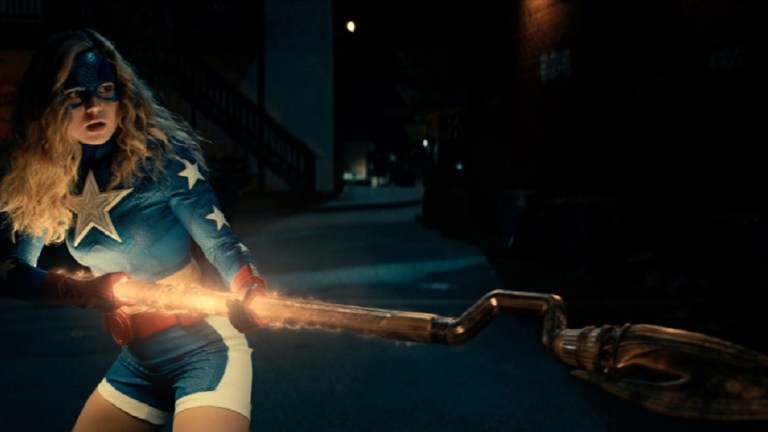
    Season 2 of CW’s Stargirl begins in a much different place than when season 1 ended. Courtney Whitmore has a fix, and it’s to fight supervillains. The one problem with that though; there’s more to life than being a superhero.

    “The JSA is not the only team that you’re a part of. Our family’s a team too, okay?” Stepdad and S.T.R.I.P.E. creator Pat reminds Courtney. Pat’s attempting to normalize Courtney’s life while she’s trying to find a fight that doesn’t exist, not yet anyway. The new JSA members are also feeling the lack of threats in their own way.

    Stargirl Season 2 Episode 1 Review - Summer School: Chapter One - Den of  Geek

    The season premiere deals with trauma as Yolanda is dealing with her role in Brainwave’s death. Beth is struggling with the loneliness of not only her parent’s pending divorce but also trying to get Chuck (the famous AI goggles) back online. Rick is struggling with the idea of being a hero yet not getting any accolades from it. The theme had weight. These heroes are so young and were so excited to get into this without thinking of the cost. 

    Examining how a hero deals with the silent moments when the mask isn’t on is something Stargirl excels at. Courtney can’t take the mask off, so Pat makes her for a couple of weeks till she can get her act together. Even young Mike wants to get involved in the crime-fighting business instead of going on vacation. Our young heroes wanted everything right now and they most certainly got it. Now they have to deal with the idea of living somewhat normal lives from time to time.

    Stargirl' Season 2 Premiere Date: The CW Announces Summer Schedule | TVLine

    Here are three other quick hitters from the premiere.

    1. Cindy (who we love to hate) is informing her own Injustice Gang with the help of Eclipso. One of the pictures she chooses is Courtney’s step brother Mike Dugan. Oh boy, this could get complicated.
    2. Green Lantern’s daughter Jennie-Lynn Hayden, or better known as Jade, has arived. We get an explosive debut from her as she battles Courtney and grabs her father’s lantern. Courtney has quite the journey on her hands with Jade in the fold.
    3. Is that Starman? In the pilot we think Sylvester Pemberton is dead, but it seems like he’s alive and well. We find him in a diner talking to Pat Dugan’s ex-wife. Will he be making an appearance soon and what does that mean for Courtney?
  • How Captain Carter Shaped Her Universe

    How Captain Carter Shaped Her Universe

    When Sylvie plunged a dagger into He Who Remains’ heart, she effectively unleashed hell for our heroes and villains over the next several years. Never mind that the man she killed was fine with surrendering the TVA willingly. What Lady Loki’s actions did was both destroy the sacred timeline and bring about something even worse than the Mad Titan.

    Given that, What If…? becomes even more important as the first Marvel Cinematic Multiverse show to highlight the first real consequences of Lady Loki’s actions. Before we look at where we are now, we need to take a quick look at where we were before Lady Loki’s actions.

    If you believe that Captain America was able to return all the stones to their rightful timeline and return with a brand new shield for Sam Wilson at the end of Avengers: Endgame, then I’m here to tell you that the math generally doesn’t add up. When Cap and Tony go to steal the Tesseract from the 70s S.H.I.E.L.D. base, they also steal four Pym particles. They use two to return to the present timeline which leaves Cap with two. If you listen to the dialogue with Ant-Man, Iron Man and Cap, it is made clear that you need two Pym particles for a roundtrip in the Quantum Realm. So, theoretically, Cap would’ve only had enough to return one of the stones and then come back to the present-day. 

    Now, I know what you’re thinking: Hank Pym was back, so he could’ve just made Steve more Pym particles. Sure, that would explain how Steve got the stones back, but you really think Steve told nobody except Hank Pym, a man he just met, about his plan to remain in the past with Peggy Carter and secure a shield of his own? That just doesn’t seem like something Steve would do. 

    It’s more likely that Hank made Steve the particles to return the stones and return to the present day, but Steve used the one to return to the present day to return to 1950 to be with Peggy. This removes Captain America from our main timeline. These are the branching timelines that, I think, popped up post-Endgame:


    A 1940’s timeline where Cap remains while he is, possibly, believed to be dead.

    This becomes interesting to explore because it would stand to reason that Cap wouldn’t leave Bucky to Hydra’s torture, which takes that timeline into a very different direction than the main timeline. Is this Cap operating in the shadows with Peggy helping him? Does he become Nomad instead? How does SHIELD develop with Cap still alive? A lot of questions, especially when he wouldn’t have had enough Pym particles to return, so the one that gives the shield to Sam isn’t our Steve.

    A 2012 timeline that has Loki with the Tesseract.

    This was explored, briefly, in Loki. However, if we dive further, we now have a 2012 where Loki does not return to Asgard and cause his parents’ death. That means neither Hela and Surtur are released, Asgard is still standing, and Thor does not return to Earth in Avengers: Age of Ultron to help retrieve Loki’s scepter. Keep in mind that Thor returned to Earth to get the Aether from Malekith. With Malekith vanquished, he and Jane could’ve remained in Asgard. If Thor does not return then the Vison in this 2012 timeline might be very different. Wanda and Pietro would still receive their powers from the Mind Stone, and Ultron would actually create Vision. 

    A 2014 timeline with no Thanos (because that Thanos was killed in 2023).

    This is a timeline with not only no Thanos but also no Guardians as Gamora is gone. This means that Star-Lord never loses the Power Stone to Gamora. Instead, he probably loses it to Rocket and Groot, and they are still arrested, but without Gamora the team isn’t as strong and it is very possible that this timeline sees Ronan succeed in destroying the Nova Corps and Xandar. With no Thanos to check him, does Ronan become the most powerful being in the universe? Does this timeline have a Carol that returns to Earth sooner if Ronan sets his sight on Earth?

    A 1970s timeline where Hank realizes someone stole his Pym particles.

    This is a timeline where Hank Pym potentially leaves SHIELD much sooner, which means Janet never vanishes. If Janet never vanishes, who stops the Russian missiles from destroying Earth? Furthermore, if Hank and Janet are still alive and together, then Hope never feels the need to become a superhero, so there is no new Wasp in this timeline either. 

    After Loki, we now have a 2012 that has created another branch: one where He Who Remains is dead and Lady Loki is potentially in charge of the TVA. That means we definitely now have 2 different versions of 2012, with a potential third:

    1. Loki and the tesseract, King Thor, Odin alive, Hela imprisoned, Asgard still here, and a Hydra that believes Captain America is a sleeper hydra agent.
    2. Lady Loki in charge of the TVA with Kang dead.
    3. whatever TVA Loki now finds himself in, where Kang lives.

    That means that we have six guaranteed timelines, with a potential seventh, before we even get to the first episode of What If…?

    Oh, wait, but what about Wandavision? Wanda becoming the Scarlet Witch was the event He Who Remains did not foresee. It may not create a whole new branch as much as it veers the main timeline in a direction that not even Kang saw coming. It’s that change, in combination with the branches, that brings Dr. Strange off the bench.

    Now… on to What If…?:

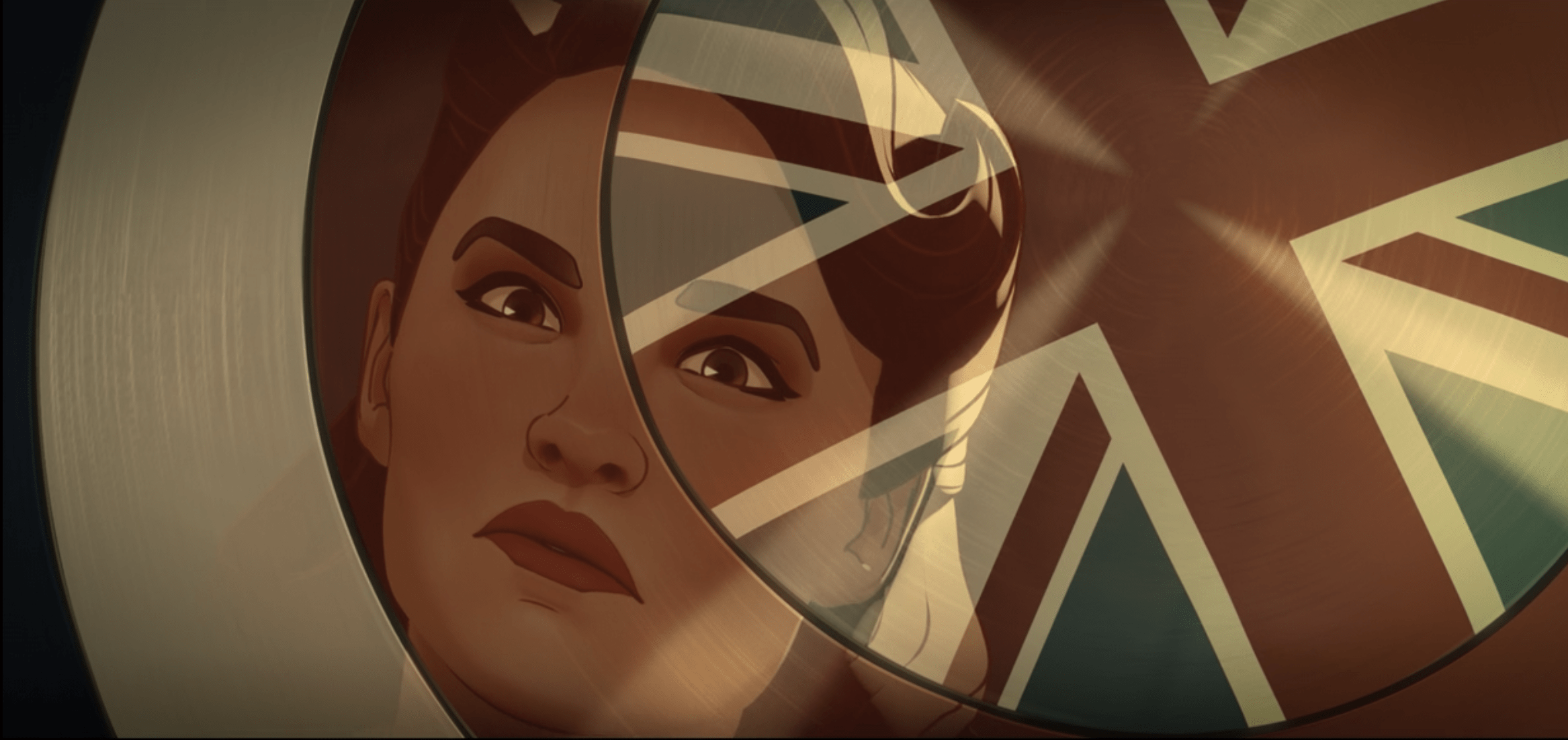
    We see Agent Carter become Captain Carter by making one small decision. This leads to a timeline where the following things definitely happen:

    1. Peggy Carter is the new Captain and vanishes through the portal created by the tesseract. She lands in the future of this universe where Nick Fury is assembling the Avengers in 2012. The Hawkeye in this timeline knows who Captain Carter is, and clearly so does Fury.
    2. Howard Stark creates the first Iron Man suit, which Steve Rogers utilizes as the Hydra Stomper.
    3. Bucky does not become the Winter Soldier, which means Isaiah Bradley is not sent to capture him. It is possible that Bradley will not be experimented on either, which means his grandson wouldn’t join the Young Avengers.
    4. Tony Stark doesn’t lose his parents because there’s no Winter Soldier to kill them. This, also, probably means there is no Iron Man in this universe.
    5. Colonel Phillips is dead, replaced by Colonel Flynn, and this could mean SHIELD takes a very different direction with no Phillips or Carter left to ground the agency.

    Those are a lot of changes emerging from episode one, but there’s one that this episode also might hint at:

    If Earth Prime’s Steve did not deliver the new shield to Sam, who did? It has to be a Steve that both did not go into the ice, had access to someone who could build a new shield, and did not receive the super-soldier serum. What Steve could that be? Perhaps a Steve that loved Peggy Carter and had a billionaire genius playboy philanthropist with access to the Tesseract who could help him be right there in that spot all along?

    Where do we go from here?

  • How Marvel Studios Continues to Push Innovation Through the MCU

    How Marvel Studios Continues to Push Innovation Through the MCU

    Marvel Studios is on the verge of the longest run of A-letter grade Cinemascores. If Shang-Chi, Eternals, and Spider-Man: No Way Home each achieve at least an A-, the MCU will take the lead from Pixar with 23 theatrical releases in a row that garnered that audience rating. It’s no easy claim to release films that people enjoyed consistently. Beyond being tuned in with their audiences, whose tastes might change, this level of consistency requires a dedicated approach to improvement and innovation. Let’s take a closer look at how the once small-time production company continues to innovate.


    A Tour of the Marvel Studios Offices


    Kevin Feige typifies Marvel Studios’ approach to improvement. In an interview with Vanity Fair in the lead-up to Avengers: Infinity War, he noted that a  childhood hobby of his was being disappointed with sequel films he’d seen, then creating better versions in his head and with his action figures. He’d often think to himself:

    I gotta fix it. I gotta come up with a better [version].

    Feige’s path mirrors a journey many Marvel Studios’ employees would later go on. He was rejected five times from film school at the University of Southern California before getting in and interned for Lauren Shuler Donner. She eventually took him on as her personal assistant and he would go on to become an associate producer on 2000’s X-Men. His approach to gradual improvement would eventually turn into the MCU.

    This improvement also bears itself in the first films of the MCU through their innovative use of visual development. In an interview with Kevin Smith earlier in 2021, Marvel Studios’ Director of Visual Development, Andy Park, notes that Marvel Studio’s leadership trio of Kevin Feige, Louis D’Esposito, and Victoria Alonso made the hiring of the in-house visual development team rather “unique” in its approach to a shared universe. In the film industry, freelancers are often changed between films, allowing a progression where the artists can work on characters “through the years” and even in advance of writers working on a project.
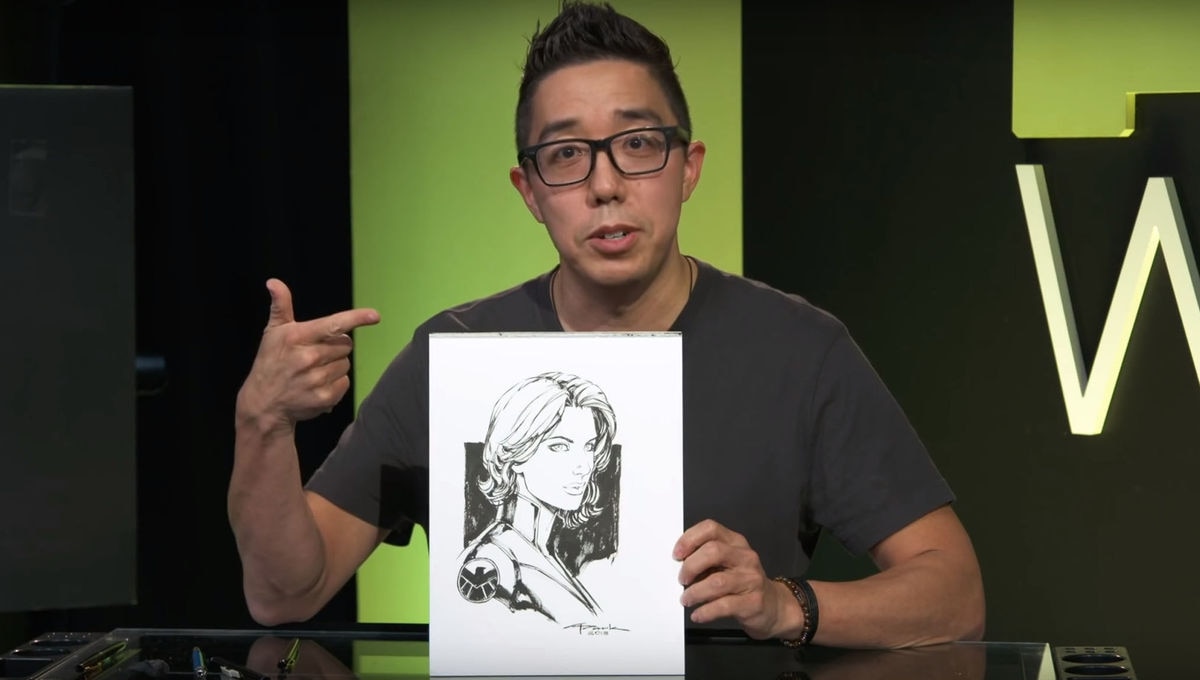
     

    Artists Alley: Andy Park draws Black Widow and revisits his Tomb Raider comic book run


    Although not all of the key art drawn by the visual development will make it into a film or show, Park emphasizes just how in tandem the teams work by stating that:

    It was also our art that they plaster along the wall [of the writers room as a] source of inspiration.

    It would also be accompanied by the comic book source material to offer writers a full picture for inspiration.  This innovative setup is just one of how it helps writers, directors, production designers, and actors develop and improve upon projects as they go.

    A more recent innovation process seems to have evolved from Kevin Feige’s experiences early in the industry. The Parliament is a group that is partly made up of six executive producers, who each produce individual Marvel Studios films while marshaling the cohesion of the shared universe. Stephen Broussard, Eric Carroll, Brad Winderbaum, Nate Moore, Trihn Tran, and Jonathan Schwartz have each been at Marvel Studios for over ten years often dating back to the first MCU films. They started their careers with roles like assistant as early as 2005.


    The man who put Marvel in the black


    Nate Moore was working managing the Marvel Studios Writers Program, having never produced a film before when Kevin Feige offered him the opportunity to co-produce Captain America: The Winter Soldier. He describes this experience as being similar to all the other producers at Marvel Studios in an interview with Vanity Fair’s Still Watching podcast:

    That’s sort of been the experience of every producer who has ever made a Marvel Studios film and one point they were untested, hadn’t done a film and then Marvel said ‘here’s your giant blockbuster kid, make your movie.’

    This encouragement for adaptation and improvement is such a facet of the company that when Harvard Business Review “analyzed 338 interviews with producers, directors, and writers and 140 reviews from leading critics” to assess the reasons behind Marvel Studios’ success, they concluded that one of their leading principles is “selecting for experienced inexperience” just as Feige went from interning to becoming an associate producer under Lauren Shuler Donner.


    Woman to Watch: Film producer Lauren Shuler Donner


    While each Marvel Studios project always had individual producers attached to them from beginning to end, The Parliament is an overarching collaborative group that allows the producers of each project to share notes on casting, script, costume, and visual effect iterations. It ensures a cohesive shared universe of script connections and overall character arcs, as well as the development of future stories. When talking about how Loki will impact Spider-Man: Far From Home, Head Writer Michael Waldron notes that:

    Your producing teams are constantly communicating with those producing teams to make sure that you’re not screwing each other up.

    Each of Marvel Studios’ recent Disney+ streaming shows Wandavision (Mary Livanos), The Falcon and The Winter Soldier (Zoie Nagelhout) and Loki (Kevin Wright) each had a producer working with the writers. They act as a creative partner to the head writer and the writer’s room in the most creative and impactful way possible. At the same time, while guiding them through other projects. Again, each of these up-and-coming producers was at one point an assistant who has been promoted to the point where they are executives producing a project for themselves. Malcolm Spellman, Head Writer of The Falcon and The Winter Soldier notes that:


    The Falcon And The Winter Soldier' Showrunner Malcolm Spellman On How #BlackLivesMatter & A Post-Thanos World Coincide In Marvel Series - Celebrities Major


    Marvel wants you to create first and they want you to do it without worrying about […] if there is obvious threads to the greater MCU.

    Then at some point, they might say that something written as innocuous can become something more meaningful in the wider MCU. Derek Kolstad, another writer on the show, notes that they “meet at the beginning of the day and the end of the day” to coordinate and deal with the overlapping complexity of the shared universe. That way, the creative talent doesn’t have to and can focus on their main jobs. This level of coordination accelerates the balance of iteration, improvement, and innovation at Marvel Studios.

    Marvel Studios is in the relatively early stages of having a shared universe between various media. Just as we saw improvements in their films going from the origins to the classics we’re likely also going to see a similar journey. This time, it’ll be in combination across film and TV formats. With innovative processes in place within their set-up, it seems inevitable not only that more classics are on the way, but eventually later on down the line we’ll see both an evolution of these improving processes and perhaps even more media formats joining the MCU.

    Source: Vanity Fair, YouTube, Vanity Fair (Moore), Harvard Business Manager, Collider
  • ‘TITANS’ Vincent Kartheiser Unlikely to Return After Season 3 Due to Misconduct Investigations

    ‘TITANS’ Vincent Kartheiser Unlikely to Return After Season 3 Due to Misconduct Investigations

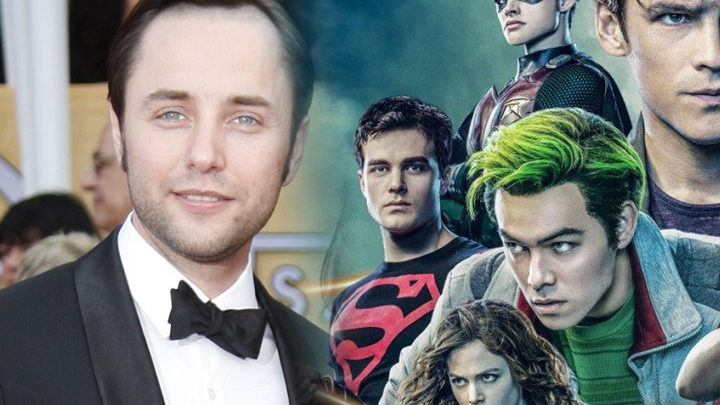
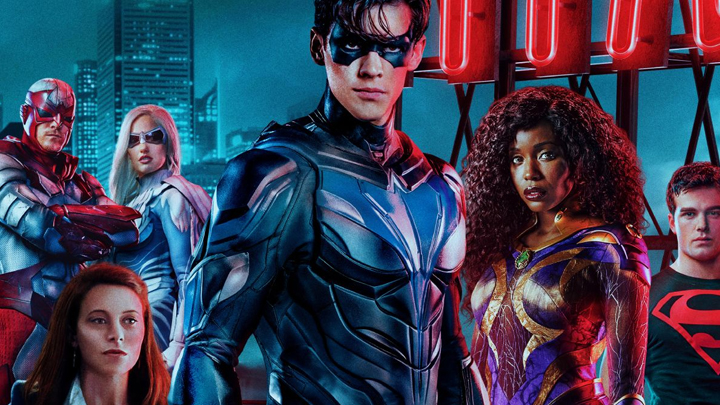
    Titans‘ third season has finally and it seems its premiere is smeared with some rather surprising news. Deadline has revealed that new cast member Vincent Kartheiser will very likely not return for a fourth season due to the actor being subject to multiple investigations by the studio. It seems the actor triggered at least two complaints and two internal investigations over the course of the season’s production. He was accused of disruptive, juvenile behavior alongside inappropriate comments. All investigations were done remotely from Burbank due to COVID protocols.

    According to them, the accusations haven’t risen to the point that he would get kicked from the show’s production, but he did get a representative that was monitoring the actor’s behavior closely. Naturally, Kartheiser‘s spokesperson denies the allegations and only shared the following statement on the matter:

    Warner Bros investigated this matter and made clear to Mr. Kartheiser its expectations for behavior on the set, and he agreed to comply with their directives.

    It’s quite shocking that these allegations have only seen the light of day now. Of course, there is no official confirmation or statement by Warner Bros. So, we still need to consider there is more to this story but it’s not a great way for Titans to kick-off its third season. Kartheiser took on the role of the famous Batman villain Scarecrow and only had a one-year contract. So, it seems they might write out the character and focus on a new villain for the fourth season.

    Source: Deadline

  • REVIEW: ‘TITANS’ Season 3 Episodes 1-3

    REVIEW: ‘TITANS’ Season 3 Episodes 1-3

    The first three episodes of Titans Season 3 released on HBO Max yesterday waste no time making it clear that Titans can be a very different show. Despite still being centered around darker themes, it is hard to miss that the start of the season feels like Titans is being dragged away from its overly broody, dispirited origins. Episode 1 immediately portrays our heroes as an actual team that takes down bad guys and sticks around for the San Francisco press—the people love them. Already, the show feels more optimistic and a bit more enthusiastic. 

    Dick Grayson himself is a bit jarringly more upbeat in these first scenes. He is snarkier and less dejected, fully embracing his role as the leader of the Titans. Koriand’r is similarly lighter and friendlier right off the bat. Season 3 also wasted no time in updating her look once again. While it’s a bit tedious to see her physically change so frequently—especially while the others remain exactly the same—each time Titans updates Kory she tends to look more and more like the strong and intimidating royal alien that we want her to be. The other characters showcased in the early minutes of Episode 1—Gar, Conner, Dawn, and Hank—all are given brief but meaningful re-introductions that emphasize how far the characters have come in terms of their physical abilities and relationships to one another. 

    The first three episodes are ignited by the death of Jason Todd. While Season 2 ended with the death of Donna Troy, using Jason’s supposed death as the focal point here is genuinely a clever move. Fresh off of the trauma and perceived abandonment he endured by the Titans last season, Jason as Robin impulsively and unpreparedly confronts the Joker alone, only appear to be quickly and brutally beaten to death. Already the show has married the internal tensions of the Titans with Gotham City lore, which Titans has repeatedly flirted with in the past. Dick’s discovery of Jason’s strange chemical inhalant and Bruce Wayne’s utter psychotic break following Jason’s death sparks a detective thriller that sees the Titans relocate to Wayne Manor to investigate.

    There is heavy emphasis on Bruce Wayne/Batman, Gotham, Dick, and Jason in the first three episodes. While the show seems rightfully aware of its past success in its portrayal of Dick as a damaged former Robin and his relationship to Bruce, this theme starts to feel a bit excessive at times. The way in which Titans is going out of its way to literally tell (rather than show) us how Bruce is a psychopath who destroyed the lives of young Dick and Jason is too forced. Dick and Barbara Gordon talk about how Bruce is in denial several times, Barbara yells at Bruce in front of Dick about how horrible he was with the Robins, and Bruce promptly opted to murder to Joker all to bring it home that Bruce is, well, terrible. The introduction of Barbara has so far been positive, as she anchors our characters into Gotham a bit more smoothly. It also expands our known Bat-Family and exposes us to more of its secrets and scars. 

    Still, the show wasted an opportunity to emotionally hook the audience at the start by glossing over Jason’s “death.” Given the groundwork the series has laid, it likely would have been effective to wallow in the loss for a moment before quickly moving on to his Red Hood alias and continually focusing on how Bruce is, again, terrible. Not only does the rushed and vague death make the Red Hood twist more predictable, but it also dampens how much impact the story could have had with a more intense focus on the implications of Jason’s death on the Titans and even in Gotham. Instead, it is mostly used as a quick plot creator and a reason to aggressively communicate that Bruce is, once again, terrible. 

    The emphasis on Bruce is clearly a ploy to emphasize Dick. Showcasing Bruce as terrible and doomed to be terrible is any easy way to make Dick look worthier. It also spurs the recurring theme through these three episodes that Dick should “be a better Batman.” This will surely set the course throughout the season for Dick to continue to go through turmoil as Batman’s legacy. There were moments in Season 2 where this dynamic truly shined for the show, but at a certain point it gets repetitive. Dick’s character and the series’ exploration and development of it is no doubt one of its best assets, but it’s coming at the expense of Titans being about Dick and Gotham City rather than the Titans

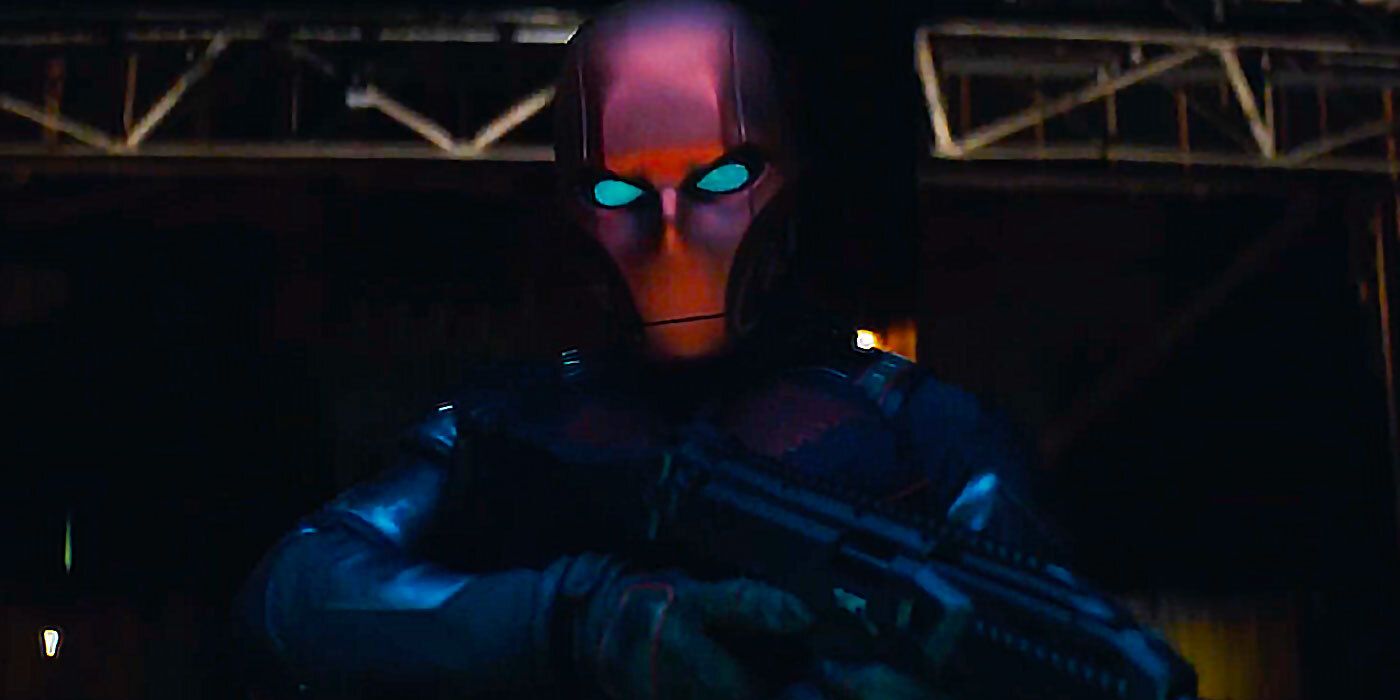
    Jason’s Red Hood is an OK villain so far. While his presence isn’t particularly menacing or frightening, he does commit significantly violent and sadistic actions at the beginning of his tenure which cements him as a formidable and serious foe for the Titans. While Jason’s change in character is just convincing enough, it falls short of being truly gripping or believable. Still, his more manipulative and puppet master-type edge is more interesting than his Robin. His role does bring forth more intricate detective-type work and storytelling than in previous seasons. It has the unfortunate tendency to drag, but when it’s at its best it can be compelling. In any event, it’s certainly an upgrade to the splotchy and often incoherent plotlines of the past.

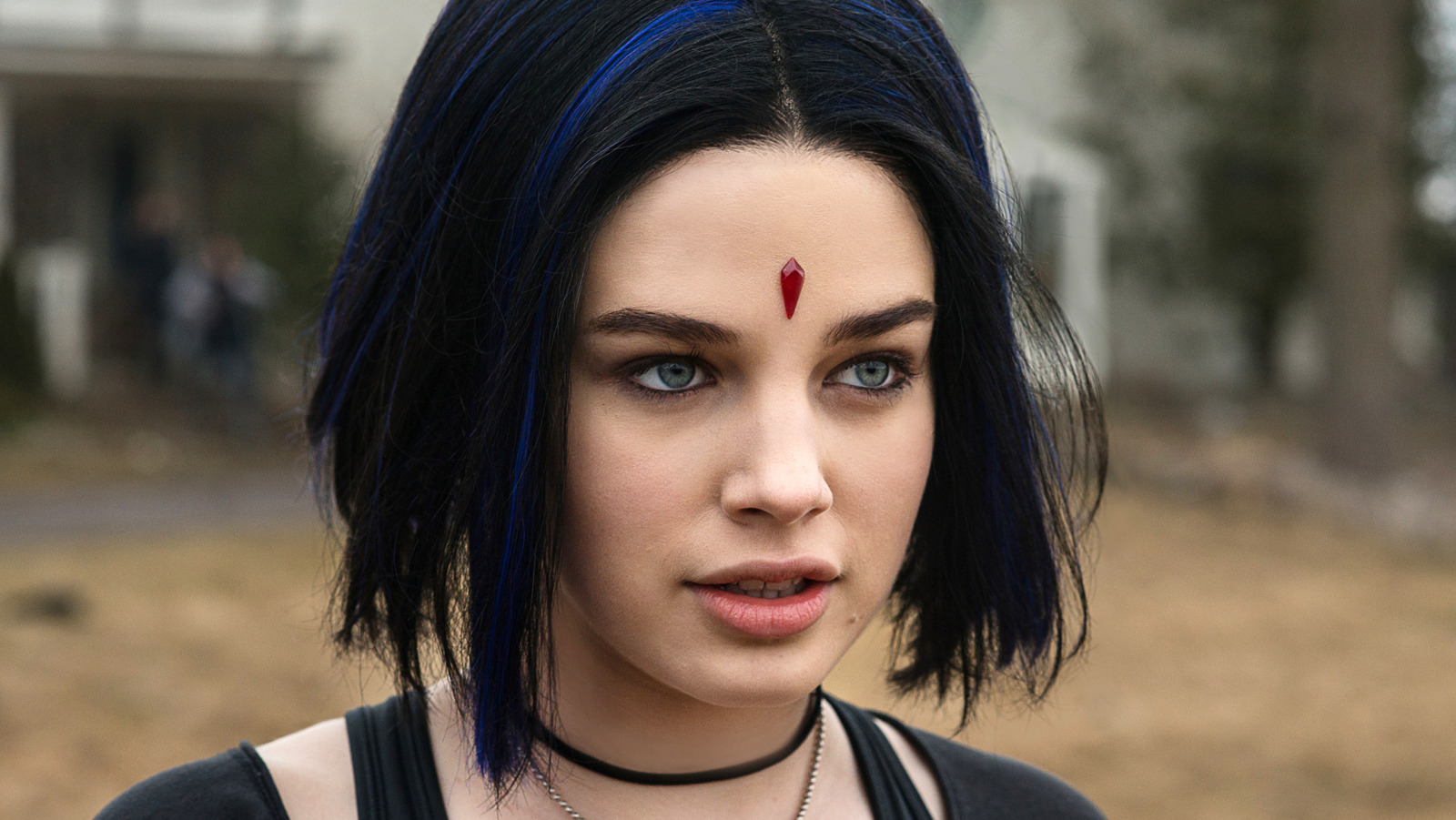
    Aside from developing a cohesive and streamlined story, the first three episodes have also vastly improved on their portrayal of their titular characters. Gar remains cheekily charismatic, and Conner, the newcomer, has been well implanted as his number one companion. The two have an innocent, childlike dynamic that suits both characters consistent with how they’ve been established in previous seasons. Honestly, the two—especially Gar—deserve more screen time based on how well they interact amongst themselves and as side characters in others’ stories. Perhaps more is in store for them later in Season 3. Kory, on the other hand, is very slowly improving, but the script never seems to give her much personality or even room to express one. Rachel is absent for the first time. To be honest, it wasn’t all that noticeable until it was mentioned in the show. While I’m sure the character will return from Themyscira bringing potentially several major plot lines to the table, her absence is letting Titans breathe and regroup at the moment following the overly ambitious Rachel-centered Season 1 and Rachel-heavy Season 2. 

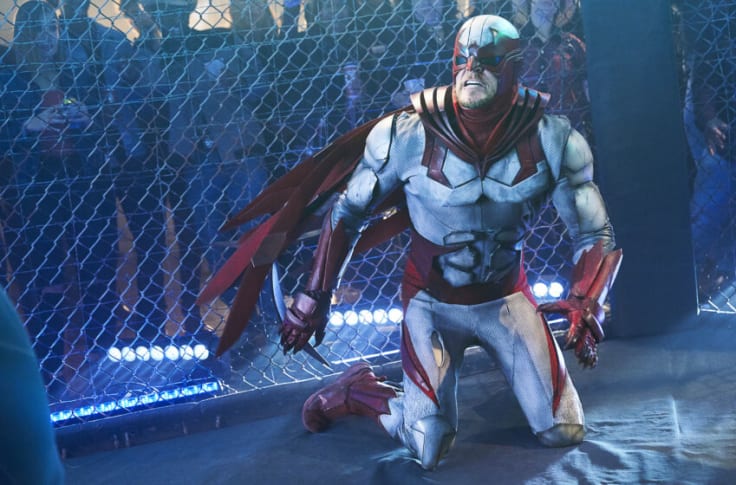
    The greatest praise that can be given to these first three episodes is Hank’s arc. Hank and Dawn always had the problem of being two characters that did not exist without the other. True, their relationship was a driving force of Hawk and Dove, but neither felt overly interesting. In the brief space where the two were no longer a couple, Hank was given more screen time and the character was actually one of the more enjoyable to watch. He gained aspects of humor and even joy without losing his short-tempered and sturdier ways. He also had warm moments with several Titans that he normally would not interact with much. When Jason implanted the bomb in his chest, it initially felt like a generic beat-the-clock episode. It played out as one, but the ending took the bold step to actually kill Hank at the very moment all seemed saved. It was a little disappointing to see him and Dawn make up so quickly in the midst of it all after they had finally been released from the constraints of being attached, but ultimately it was all in favor of making Hank’s death actually impactful. For the first time in the series, a death actually felt like a loss. Not only did the Titans lose Hank, but they seemingly lost Dawn as well after she decided to leave following his death.

    Episodes 1 through 3 delivered a solid start to Season 3, and are undeniably of higher quality and more enjoyable than Titans episodes have been in the past. It comes with the unfortunate tradeoff of losing focus on the actual Titans in favor of a Gotham-centered plot. The action is also noticeably missing so far from the series, particularly with respect to any hero whose powers rely on (less than ideal) visual effects. Where some is included, it’s perfectly decent, but there’s not enough of it to drawn from at this point. 

  • Marvel Studios Begins Casting for ‘ECHO’ Series Ahead of Early 2022 Start

    Marvel Studios Begins Casting for ‘ECHO’ Series Ahead of Early 2022 Start

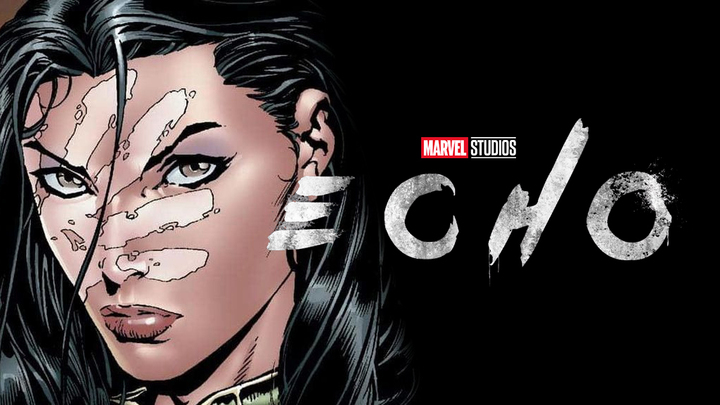
    We’re still anxiously awaiting the November release of Hawkeye. It’ll introduce us to Kate Bishop and the assassin known as Echo. Alaqua Cox will take on the role in the series. The best part, she must’ve left quite an impression, as Disney+ and Marvel Studios decided to give her a spin-off series ahead of its release.

    We know very little about the series direction but we did hint that they are potentially eyeing an early 2022 production start. Well, it looks like the actress confirmed it herself, as she took to her stories and shared a casting list for the following two characters:

    The casting offers a small glimpse into the story and given Echo’s background, the character of Jessica might be a younger version of our titular heroine. The giveaway is the inclusion that the character is described as deaf. So, Iris might possibly be her mother. In the comics, she is raised by Kingpin who killed her parents and it was uncertain if they’ll explore this part of her upbringing in the Hawkeye series. It’s definitely a curious direction to take a closer look at the character’s backstory in the spin-off, as she might try to put together her own history.

    We are still waiting for a trailer for the Hawkeye series, which was given a definite release date and a first look image. It’s been oddly quiet on that front as they waited for the official release of What If that started this week. So, we might get our first glimpse at Cox as the character in the coming weeks once the trailer drops.

    Source: Instagram

  • AMC’s ‘Interview With the Vampire’ Finds Its Lestat in Sam Reid

    AMC’s ‘Interview With the Vampire’ Finds Its Lestat in Sam Reid

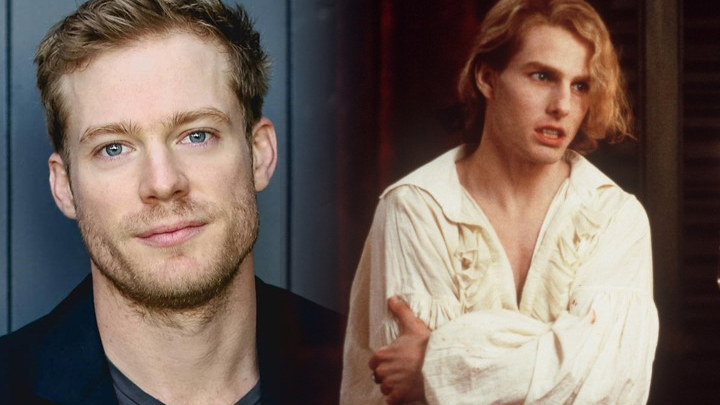
    It looks like AMC’s adaptation of Interview With the Vampire has found its Lestat, as Variety shared Sam Reid joined the project. The show has been in production since June and explores the story of a journalist interviewing vampire Luis de Pointe du Lac. He was turned into the nightly creature by Lestat de Lioncourt, who Reid will play in the project.

    It’s quite a long-term commitment due to their plans to adapt all of Anne Rice‘s The Vampire Chronicles novels where he has a recurring role. Yet, only one has been greenlit for now and he’ll be part of the eight-episode The character was previously played by Tom Cruise in 1994 before Stuart Townsend tackled the role in 2022.

    AMC also owns the rights to The Lives of the Mayfair Witches from Rice. There haven’t been any hints if they are already developing a series based on those books, or if they are focusing on the Vampire Chronicles first before they start expanding the franchise. They definitely have a lot of hope for the franchise as it continues to expand.

    It’ll be interesting if they play on the last adaption of the novel, or take a different route to make it stand out. They could take a more modern approach while keeping the core values of what made that story stand out back in the day. Though, it would be a lot more fun to embrace the aesthetic connected with the series to make it stand out from other series currently running. A modern adaptation seems like the easy route rather than also exploring its importance within a historical context.

    Source: Variety

  • REVIEW: ‘TITANS’ Season 3 Finally Feels Like a Titans Show

    REVIEW: ‘TITANS’ Season 3 Finally Feels Like a Titans Show

    The third season of the now-HBO Max original Titans promises to be the best season yet, easily leaving the first two in the rearview mirror. It does not fail to recognize what it did well in previous seasons and not only amplifies it but uses it more purposefully. The result is a much more cohesive and engaging plotline that evenhandedly threads itself out across the season. This approach is in stark contrast to the patchwork of character introductions and scattered stories that weighed down the previous seasons. Sadly, it still suffers slow and even tedious points, but ultimately is a vast improvement on the series’ ability to tell a story.

    Titans Season 3: What You Need To Remember Before Watching

    The series is noticeably lighter in tone this time around. Titans has by no means become “light”, but much of the overly dark visuals and broody, dejected tone have been pulled back some. With that, the severity of violence, the amount of blood and gore the series puts forth is significantly lower. While there may be some loss in terms of how gritty the HBO Max series could be, it also feels like there is more space now for the show to deliver a story and explore its characters. 

    One of the biggest strengths of the season is highlighted in the very first scenes of the first episode. Titans, for the first time, has really established that the Titans are, in fact, a team. While they took time to call themselves a team and a family in the last season, it never felt particularly believable until now. The series is starting to truly take advantage of the groundwork it laid for itself. While the series still does what DC often does well by opening the series up to a wide and versatile survey of DC characters and storylines, this season feels like it is building upwards for the first time rather than outwards.

    Titans Season 3 Will Release In August On HBO Max - Geeky Craze

    Instead of endlessly adding new elements into the show just to leave others to wilt, Titans finally takes existing elements and uses them to their higher potential while more subtly and tactfully adding in new pieces. There are certain themes and characters that were simply dull in the past but are redesigned into powerful and emotional moments in Season 3 that make the show great at times.

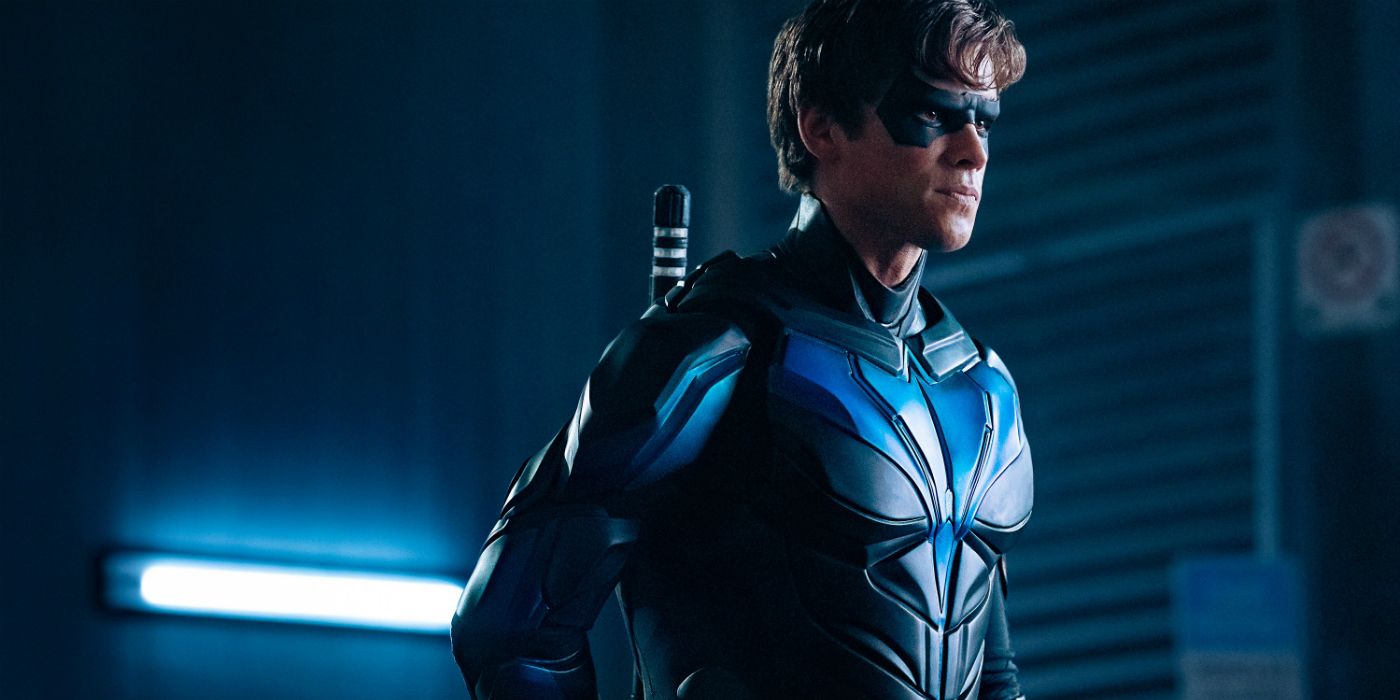
    Where Titans truly shined in the past is its portrayal of its leading character, Dick Grayson. Brenton Thwaites’ Grayson, newly minted as Nightwing, continues to steal the spotlight. The series doubles down on the character to the point that the show could, at times, arguably be titled Nightwing without being misleading. This direction can come at the obvious expense of other characters’ development, but it also genuinely aids the organization, consistency, and quality of the season. Where some characters are afforded more limited attention, it is often deliberate and of higher quality than in previous seasons. 

    Titans Recap & Spoilers: Season 3, Episode 2, "Red Hood" - The News Motion

    Rather than portraying itself as a typical superhero action show, the latest season often operates under the guise of a detective thriller. This does, unfortunately, lead to a deficiency of action, particularly of those characters whose powers are dependent on visual effects. To be fair, where the action is highlighted – particularly hand-to-hand combat – it is well executed and enjoyable to watch. There’s just not enough of it.

    At the end of the day, Titans retains plenty of its flaws going into its sophomore season. Still, it does stand out, though, by being noticeably and significantly better. It seems like the creators meaningfully took stock in what the series was doing well and what it was not, and tailored this season specifically to address that. Because of that, it can feel like a different show than what it has been, but the result is a much more compelling and enjoyable Titans

  • Connecting Imaginary Dots: Ethan Hawke is Playing The Profile in ‘MOON KNIGHT’

    Connecting Imaginary Dots: Ethan Hawke is Playing The Profile in ‘MOON KNIGHT’

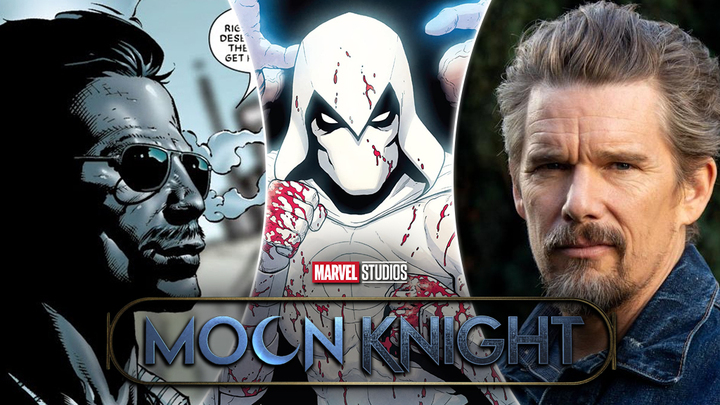
    The Moon Knight Disney+ series that is currently filming in Budapest has, ever since its announcement, been at the top of the list for many fans. That is solely due to how the character might allow for some of the most eccentric pieces of storytelling Marvel Studios has ever put on the big or small screen. Those expectations surrounding the show were later increased when Oscar Isaac signed on to play Marc Spector as well as early this year when academy nominee Ethan Hawke joined the project in, at the time, an undisclosed villainous role.

    Ethan Hawke Marvel 'Moon Knight' Casting News | HYPEBEAST

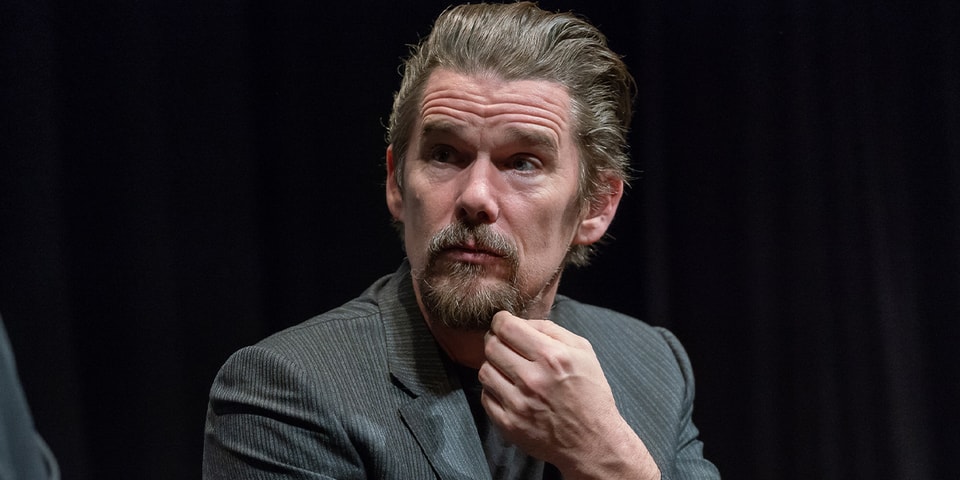
    But last night, while being interviews on Late Night with Seth MeyersHawke might have given us enough clues to finally figure out who he’s playing in the upcoming Marvel Studios show. While recalling how Isaac was the one who approached him personally to join him on the project, he said:

    I was at a coffee shop and he came up to me and (…) he went “Hey want to be The… want to be in the Moon Knight [series] with me?” and I was like “Yeah!”

    Ethan Hawke

    It almost slipped out after he had just mentioned how he had to sign several non-disclosure agreements before joining the show. And here, he seemed to have stopped mid-sentence, backtracked a little, and then and rephrased the encounter in another way, but that “The” still sticks out. Going back to a rumor from last SeptemberMoon Knight was looking for an actress to play “a manipulative operative in a secret organization”. Given how this hints at The Committee, “a secret organization of anonymous businessmen and financiers”. Connecting these dots, Ethan Hawke could potentially be playing a character with deep ties to The Committee, and who usually is referred to as The Profile.

    The Top 10 Most Feared Moon Knight Enemies Of All Time

    Being a character that has the ability to read people, this is something that also goes along with another tidbit shared by Hawke in the interview. He claims to have based his character on David Koresh, the leader of the Branch Davidians cult behind the Waco massacre in 1993. Koresh managed to manipulate his congregation leading to their demise, displaying a personality that allowed for people to open themselves to him, perhaps sharing what they didn’t intend. And this is yet another aspect that might connect to The Profile’s abilities. Another one being his slick look from the comics, similar to the look Hawke is sporting.

    The Profile is known to have been both an ally and an enemy to Moon Knight. If we’re indeed having an actor of Hawke‘s caliber play a character with such duality to it can only mean good things regarding the upcoming series. Of course, Moon Knight has quite an extensive rogue’s gallery and there are many other candidates that he could play, but The Profile would make for an unconventional enemy for the Marvel hero to face. We’ll still have to wait for a confirmation on who he is playing, but if you are interested in checking out the interview, you can do so here:

    Source: YouTube

  • RUMOR: ‘ONE PIECE’ Cast Descriptions May Hint at Season 1 Adapting the Entire East Blue Saga

    RUMOR: ‘ONE PIECE’ Cast Descriptions May Hint at Season 1 Adapting the Entire East Blue Saga

    It feels like forever since we heard about Netflix’s plans on adapting One Piece into live-action. The project was delayed due to the pandemic, but Illuminerdi shared some first details on the various members of the Straw Hat Pirates. While it offers our first details on the personalities of the characters, the casting offers a clearer picture of what may potentially get adapted in the show’s first season.

    One Piece: East Blue Saga is good but the weakest (a review) – Tower City  Media

    The list includes Luffy, Zoro, Nami, Usopp, and Sanji. They were the first members to join the crew before they head out into the Grand Line. It starts with Luffy setting out years after he ate the Rubber Rubber-Fruit and his body turned into literal rubber. The entire saga consisted of his meeting with the various members and the emotional Arlong Park Arc. It ended with a brief stint in Loguetown before they entered the most unpredictable seas of their world. It was the sage with the most arcs in the franchise, but later stories were considerably longer in comparison.

    So, does their inclusion mean the first season will end in Loguetown? It would make the most sense to end the arc just as they set out into the sea. Still, they might also end with the Baratie Arc, where they recruit Sanji. It might be worth giving more time to the iconic Arlong Park arc, which has some of the strongest emotional moments. Plus, the introduction of the Fishmen might be costly and they could always shorten the season length if necessary. Still, it’ll be exciting to finally set out into the East Blue if the series enters production sometime in the near future.

    Source: Illuminerdi