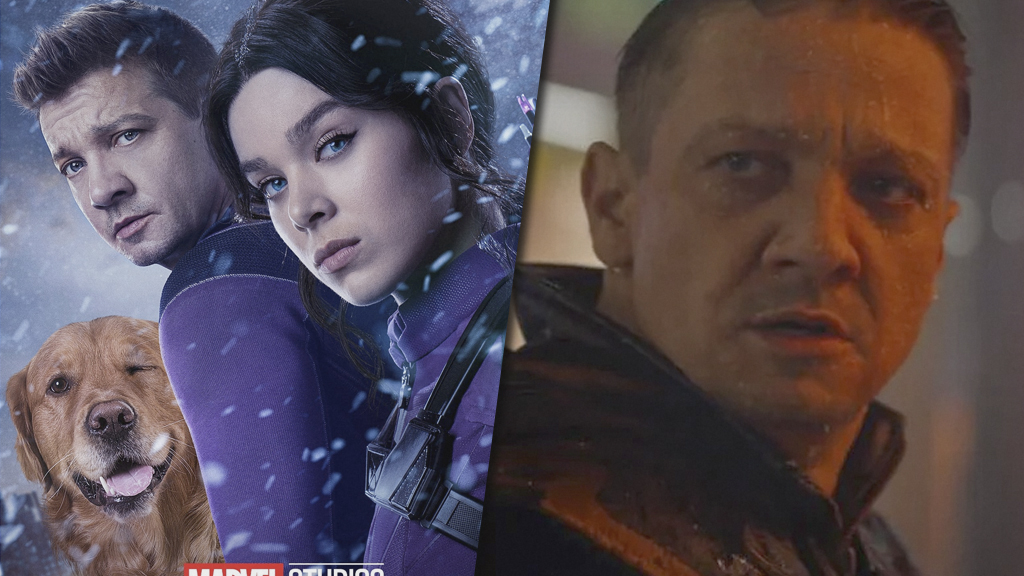
The Internet will often point to “quality over quantity” in regard to lower-than-usual performing Marvel movies. Though they still dominated most of 2022, their only “shortcoming” so far was Ant-Man and the Wasp: Quantumania underperforming with 470M. Yes, it didn’t make its money back but it’s still an amount most people would dream of in such a competitive market after running for 10+ years. Still, the vocalization of the Internet’s displeasure has also been very openly pointed at Disney+.
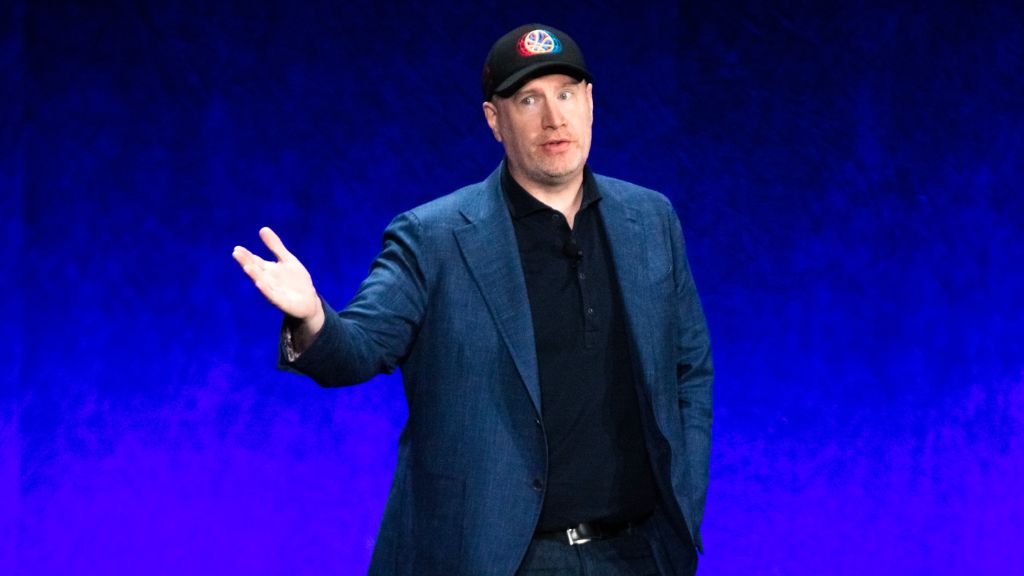
Some say the shows aren’t good enough quality, constantly dragging down the viewership numbers based on 3rd party tracking, and hatred from being too “woke” by a specific crowd. Last year, She-Hulk: Attorney at Law and Ms. Marvel took the brunt of it, but Marvel Studios president Kevin Feige left with a strong message during Disney’s Upfronts by pointing out that their shows have reached “often two to three times the numbers of viewers” from the “buzziest shows on competitive services.”
Thanks to Disney+, we’ve expanded the Marvel Cinematic Universe into genre and formats new to us that we haven’t done before. We’ve been able to introduce exciting new heroes and villains, locations and storylines into the MCU. And I’m pleased to share that when you compare our Marvel series to some of the buzziest shows on competitive services, even our smallest series are reaching much more international audience – often two to three times the number of viewers.
Kevin Feige
We can’t really prove it and streaming services continue to share very little outside of Netflix, but it’s definitely an interesting perspective to offer. And it’s not like they are inventing numbers, it may be a showcase of the international audience embracing these shows more, and discussions on quality are much more diverse than they appear to be; especially if you see how the Internet reacts toward the existence of shows like The Good Doctor.
We’ll see what the future holds for these shows, but Marvel is definitely taking a step back and changing up their strategy, such as Echo becoming a binge release. For now, it feels like we’re about to enter a new era as the pandemic has been left behind and theatrical releases are finally a viable strategy again.
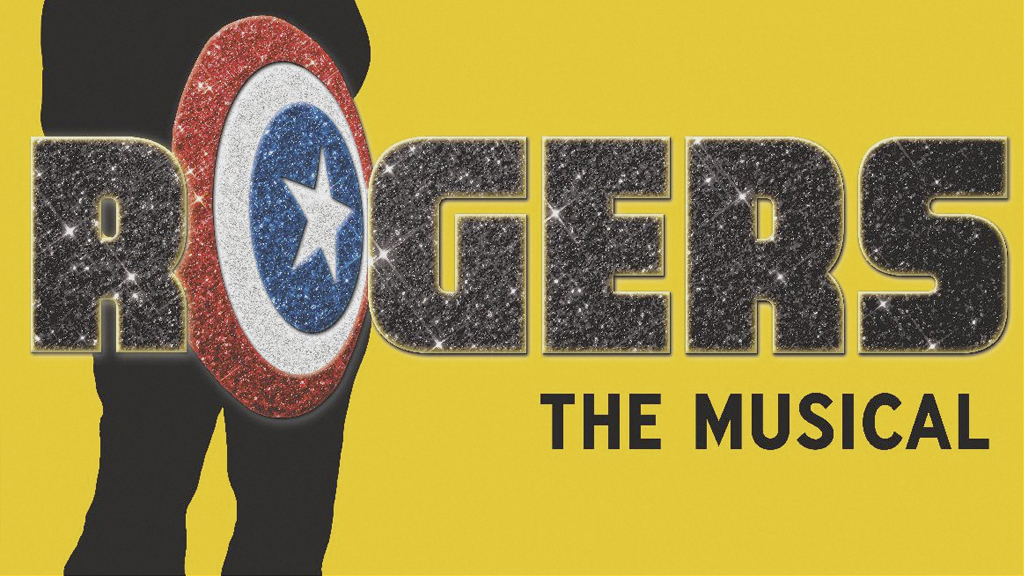
There have been many theories that we may see more of that iconic musical piece from Hawkeye titled Rogers: The Musical. After visitors of D23 got a little piece from the musical, many wondered why they wouldn’t make use of it to have a live feature at one of the Disneyland Resorts. Well, it seems it was only a question of time as Marvel has finally announced that Disneyland Resort will indeed start showcasing the one-act version of Rogers: The Musical starting this summer.
It’s fun to see this unique take on the first Avengers film make its way to real life after its popularity during the airing of Hawkeye on Disney+. While Clint Barton was a bit embarrassed by the project, it definitely became a fan-favorite, especially when we got the musical as the final post-credit sequence. For now, it seems they don’t have any exact details just yet for the project but it will debut on the Hyperion Stage in California Adventure Park.
Many have wondered what the biggest advantage of Disney has been and that was its synergy. Not only do they have strong box office performers, but they also profit from having their properties get featured at Disney parks, the various merchandise released for the projects, and more. Who knows if they might also get inspired for a full-on musical inspired by the Marvel Cinematic Universe that could also become a Disney+ original eventually. At this point, anything is possible.
With Ant-Man and The Wasp: Quantumania set to kick off Marvel Studios Phase 5 in February, what better time to take a comprehensive look back at the ups, downs, ins and outs of Phase 4. First up, the year that wasn’t.
Long before Avengers: Endgame hit theaters in 2019, Marvel Studios was already well into the planning stages of the Multiverse Saga. Disney Plus was set to play a major role in said saga, which looked set to introduce a slew of new heroes and villains. James Gunn’sGuardians of the Galaxy Vol. 3 was originally expected to kick off the new saga but after that went off the rails for a bit, exactly what to expect and when to expect it was a mystery until October of 2018 when the 2020 film slate was exclusively revealed to consist of only Black Widow and Eternals. When Murphy’s Multiverse went live in November of 2019, Marvel Studios had officially confirmed the news about the two films and also slated the first Disney Plus series, The Falcon and The Winter Soldier for a Fall 2020 release. 2020 wasn’t set to be the big, blockbuster opening year to Phase 4 that fans may have expected but it looked the be the calm before the storm as 2021 was set to feature 3 big films and 4 streaming series including the first animated series made by Marvel Studios…and then, before anyone could process it, Marvel Studio’s very 2020 existence was gone.
Things started off calmly enough in January 2020 as production on The Falcon and The Winter Soldier resumed following their holiday break. The production shot scenes involving the Flagsmashers at a State Park in Georgia, did some work in the downtown Atlanta location that served as Madripoor and was scheduled to head to Puerto Rico. Then, things started to get weird.
On January 9th, director Scott Derrickson and Marvel Studios amicably parted way on Doctor Strange in the Multiverse of Madness, which was set to begin principal photography in May. Just a couple of days later, before a second earthquake in Puerto Rico altered the course of the production of The Falcon and The Winter Soldier. By mid-January, production on one of Marvel’s 2021 streaming series, Hawkeye, which was scheduled to begin in July, had been delayed indefinitely.
Even as all that unfolded, Shang-Chi and The Legend of the Ten Rings began filming in Australia in February and productions in Atlanta for Loki, Ms. Marvel, She-Hulk and the untitled third Spider-Man film were all on track and Thor: Love and Thunder, which Christian Bale had just joined, was set to get underway down under in October.
By early February, Sam Raimi emerged as the front runner to take the reigns on Doctor Strange in the Multiverse of Madness as the studio remained committed to beginning production in May. Then, Hawkeye got back on schedule, booking a September start of production in Atlanta. With Puerto Rico off limits, The Falcon and The Winter Soldier was headed to Prague. All seemed good in the world…
On March 3rd, 2020 the following information was shared to supporters of Murphy’s Multiverse Patreon:
I expect production delays to happen. Things may begin shooting, stop shooting and begin again later. They may get pushed several weeks entirely. I believe it’s possible, even probable, that some projects may see release dates shifted. I believe it’s possible, though I can’t speak to probability here, that some projects may not release at all. I believe Disney may have to consider shutting down their U.S. parks for as little as a few weeks and as long as a couple of months (they’ve already closed parks in Hong Kong, Shanghai and Japan to the tune of a $175 M loss). None of this is good. Not even Disney can afford to keep losing money at this rate.
By March 10th, rumors or release dates shifting started to pick up steam and by March 13th, word reached Murphy’s Multiverse that The Falcon and The Winter Soldier would not make its intended Fall 2020 release. By March 21st, Marvel Studios shut down all of its productions indefinitely (the linked article was published and available for some time before we were asked to take it down as many of the members of various crews had not been informed of the pauses on productions). The COVID-19 pandemic was in its earliest and most frightening days and like everything else, the world of Marvel Studios stopped in its tracks.
With nothing but uncertainty staring them in the face, Marvel Studios had no choice but to start making movies. In early April, they made the first in a series of delays to their film slate pushing Black Widow from its intended May release to November and pushing Eternals into 2021. Additionally, with no clear answers about the safety of the production crews, Marvel Studios production stoppage continued with the studio eyeing a September restart.
Productions resumed and began and, alas, WandaVision didn’t quite make into 2020. By October, production had gotten underway on Spider-Man: No Way Home and in December word of Charlie Cox‘s role in the film was shared to the disbelief of pretty much everyone. A year that began with so much hope and saw so much struggle ended with the promise of Cox’s return.
For those that remember it well, 2020 was all about the news and rumors as any little tidbit gave fans something to cling to while we waited to understand what was happening around us. While it was expected to be slow year for Marvel Studios, nobody could have expected it to be the year with no Marvel Studios presence.
A half-dozen Lokis, including a woman, an old man, a child, one that looks just like Tom Hiddleston, and an alligator. Four Doctors Strange, including a zombie with a ponytail. Three Spider-Men. Three Peggy Carters. Two Kangs so far, including one referred to as a “warrior”, with more to come. Two Gamoras. Two Nebulas. Two Thanoses. Two Christine Palmers. And two Mordos and two Maria Rambeaus who hang out with three guys who have never before been seen in the MCU’s 616-universe. The Marvel Cinematic Multiverse is full of Variants and is sure to see more enter it as the Multiverse Saga continues over the next 4 years. So why is it, that in this vast multiverse, Matt Murdock and Wilson Fisk are expected to be the genuine Netflix articles when probability would dictate they probably aren’t?
The rules of the Multiverse, as created by Michael Waldron and explained in Loki by Miss Minutes, allow for a tremendous amount of room in the creation of Variants. Nearly any event, no matter how great or small, from “creating an uprising” to just being “late for work” causes a Nexus Event which creates a branch from the Sacred Timeline. As Miss Minutes explained, one Nexus Event could “branch off into madness” creating an almost infinite number of Variants and the potential for a multiversal war. That multiversal war is coming in Avengers: Secret Wars, but it’s the more mundane sort of multiversal madness that’s relevant here. Given the relative ease with which a Variant can be created and the fact that the death of He Who Remains allowed the multiverse to branch off into madness, it’s statistically more likely that the Matt Murdock and Wilson Fisk who are on track to meet in Echo are Variants of the ones who appeared in the Netflix Defenders-verse shows.
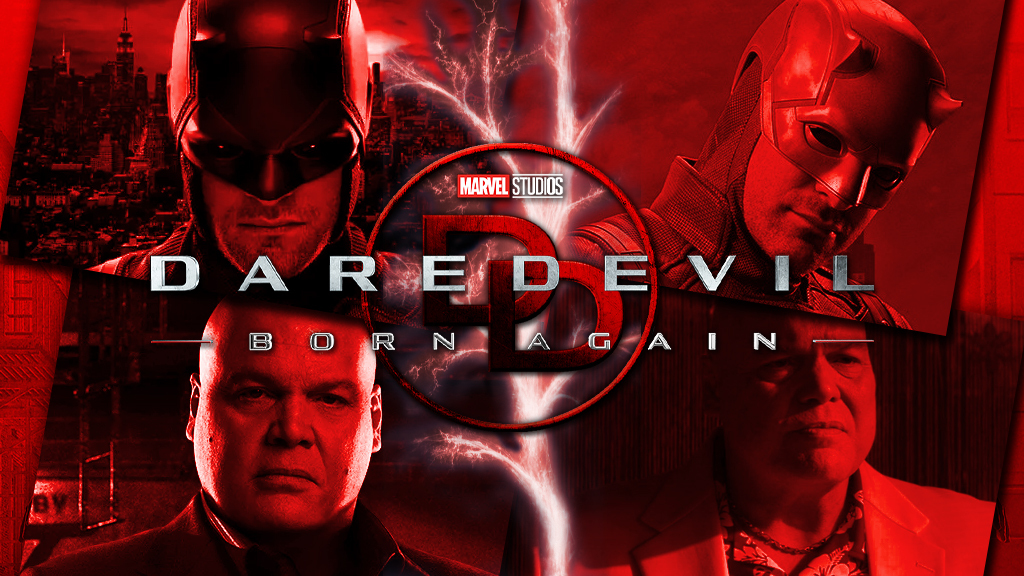
In addition to the relative ease with which the MCU can explain away the Variant nature of the two characters, according to Charlie Cox, it seems like that is the plan. Cox has been clear that he and Kevin Feige think of Daredevil: Born Again as Season 1, not Season 4, and recently called it “a whole new deal” that gave the studio a chance to start from scratch in some instances.
What’s great about that is that we potentially get to tell some of the stories over and over again, in the same way that they do in the comics. Every now and then they start back in the beginning of Murdock’s journey as a little boy and they tell the whole origin story again, so maybe we’ll get to do that. I don’t know.
Charlie Cox
Herein lies the brilliance inherent in the simplicity of the multiversal rules. The MCU’s Matt Murdock and Wilson Fisk only need to be a little different from their Netflix counterparts in order to allow Feige, the Marvel Studios Parliament, and the creative teams of Echo and Daredevil: Born Again to keep much of what fans loved about the characters they met on Daredevil while also telling their MCU stories on their terms. And they never have to tell anyone how it happened. Just simply let it unfold on-screen.
An infinite multiverse means infinite possible Variants of the characters. That means a Matt Murdock who can see, a Kingpin who never killed his father and any other version you can imagine exists somewhere. But in order for Marvel Studios to tell their version of the story, they don’t have to erase all those key points in the development of the character. Vincent D’Onofrio has spoken at length about how he’s playing Fisk as the same character and that makes perfect sense because all of the tragedy and abuse that he suffered when he “was a boy” can still be the backstory for the character.
I mean, obviously, my character in Hawkeye is physically stronger and can take a lot more physical abuse. But my approach to him is exactly the same approach that I did on Daredevil. He is an emotional human being, he is a child and a monster simultaneously. The same things that are going on inside me when I’m playing the character, the events that I use, whether the joyful ones or sad ones or frustrating ones or angry ones, the events that I use from my life are the same ones that I used in Daredevil that I used to portray Fisk. So it’s connected, for sure. In my mind, for sure.
Vincent D’Onofrio
The rules of the multiverse absolutely allow for everything D’Onofrio said about the Fisk that showed up in Hawkeye to be true AND for the character to be different from the Defenders-verse character. How simple is it? Incredibly simple. If being late for work can create a Nexus Event and a new branch of the multiverse, any number of events could be used to explain how a Matt Murdock and Wilson Fisk who are nearly identical to the ones from Daredevil are co-existing in the MCU’s Hell’s Kitchen but have never met one another, much less become archenemies. Why would they do this? To give the MCU’s creatives a chance to tell the story of these two characters on their own terms rather than be forced to accept someone else’s interpretation. As Cox explained, it gives them the opportunity to retell stories as often happens in the comics when new authors take over.
What would this mean for the MCU? It would mean that to audiences, the characters would seem to be exactly the same, only a little different. Ketchup and mustard Daredevil seems to be, for the most part, the same as black mask Daredevil, except he’s a little different. His fighting style isn’t quite the same, he’s a bit more flippy and he doesn’t seem to hate being alive and is rather quite the ladies’ man. Hawaiin shirt Kingpin seems to be, for the most part, the same as stare-at-the-wall Fisk, except he’s a little different. He works out of a garage in relative anonymity and seems to be a walking tank.
Using Variants provides the people who worked on Echo and are working on Daredevil: Born Again a tremendous amount of creative freedom. You like the way the story with Stick training Matt as a boy worked? Keep it. It happened before the Nexus Event. You don’t like the fact that Ben Urich is dead? Get rid of it. It happened after the Nexus Event that created this MCU Variant Daredevil. Characters can seemingly be brought back from the dead without ever having died. Don’t like the way the Hand storyline played out in Daredevil? Retell it. It happened after the Nexus Event that created this Variant. Giving the writers working on Echo and Daredevil: Born Again that type of flexibility will ultimately allow for a better final product. There are some hoops to jump through to ensure the chosen point for the Nexus Event follows continuity (so you don’t go the route of Fox’s X-Men films) but it can be done.
At the end of the day, if fans can accept alligator Loki and are looking forward to seeing Jonathan Majors mold himself into multiple versions of Kang, it doesn’t seem as though it’s asking much to accept that in an infinite multiverse, other versions of their favorite characters can and do exist. Is this a definitive statement that these characters are NOT the Defenders-verse ones? Of course not. Only Marvel Studios can make that statement; however, they are better served in never making it, allowing the debate around the characters to carry on until their decision is revealed on screen, whether large or small.
You want to believe these guys are your guys? Go for it, probability be damned. You want to believe these guys are Variants? Go for it, the evidence suggests they are. At the end of the day, these are stories meant to be enjoyed by audiences and much of that is determined by what you carry with you in your own mind and if you believe in it strongly enough, not even the multiverse can take it away from you.
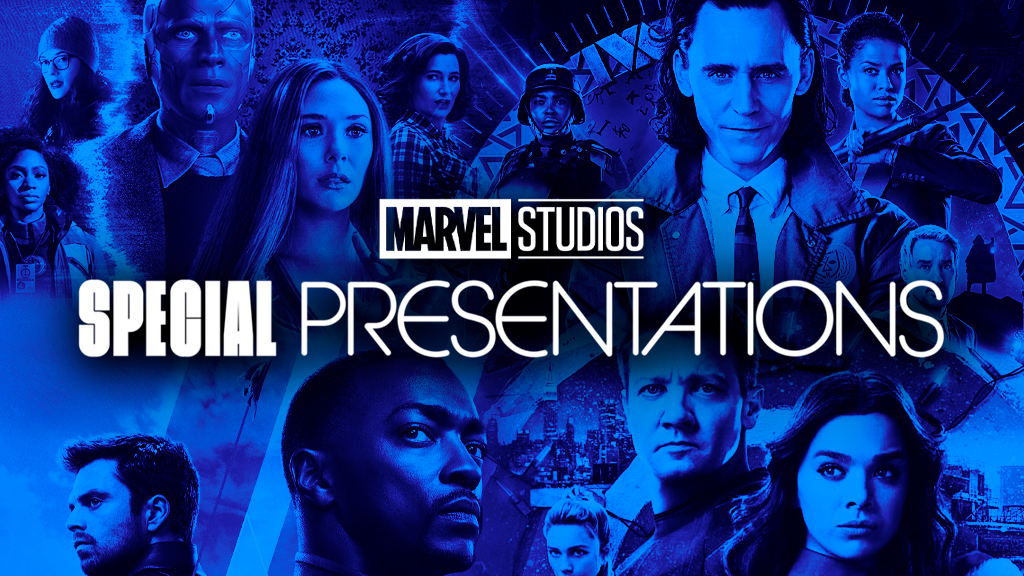
With the release of Werewolf By Night, Marvel Studios has given us yet another format in which to experience and further explore the MCU. Following feature films, one-shots, and TV shows, fans have now been treated to its first Special Presentation, with The Guardians of the Galaxy Holiday Special, Marvel’s second go at the format, just a few weeks away. And one thing is certain: if it ends up being as well received as Werewolf By Night has been, the demand for further projects within the same framework is bound to rise.
James Gunn has stated that his upcoming Holiday Special will be under 40 minutes in length and considering that Werewolf clocks in at around 48 minutes (not counting end-credits) the basic parameters for this kind of project seem to be fairly straightforward. Tv-episode-length with a higher budget, and a more concise and focused script than a feature film. Could this structure become the go-to format for Marvel Studios when it comes to their Disney+ content? As with many debates, the truth usually lies somewhere in the middle.
Considering how most Marvel Studios Disney+ shows have been a bit lackluster, there is no doubt that there is still work to be done when adapting the MCU to an episodic format. The Special Presentation type of show does allow Marvel to keep its feature film formula—a formula that works more often than not—a bit more intact, but while that may serve particular stories, there is still much that can be gained by giving certain characters and storylines additional room to breathe by going the 6+ episode route. If anything, Special Presentations allow Marvel to have a sort of middle-ground between a feature film and a TV show, so that when the story does ask for a shorter runtime but still not garnering sufficient relevance for the big screen there is still a way to make it work. It wouldn’t be hard to picture a series like The Falcon and the Winter Soldier being developed as a one-hour tv special, telling the story of how both Sam and Bucky went from Endgame to Captain America: New World Order and Thunderbolts, respectively. The same case could be made for Hawkeye that, as FatWS, would take advantage of previously established characters to streamline the narrative, swiftly leading into the next project. WandaVision would perhaps be the exception since it took the episodic format to heart and made it intrinsic to its essence. As for all Marvel Studios series introducing titular heroes, along with their own set of side characters, from Moon Knight to Ms. Marvel and She-Hulk, the longer runtime provided by several episodes seems completely warranted. Taking time to properly explore their origin, in their own corner of the MCU, without all the noise provided by the evergrowing mob of characters that will eventually engulf them seems fair.
But while the story itself should be the main reason when choosing what format to go with, there are also more specific points working in favor of the new format. For one: talent availability. With the success of the Marvel formula, the franchise is either attracting A-listers to its key roles or turning unknown actors into household names. In either case, unless previously signed contracts so dictate, it will become increasingly hard to get the desired names to be completely available for the time that it takes to shoot the usual 6 to 9 episodes of a regular Marvel Studios series. By having the Special Presentation format available, the studios could keep production schedules shorter, stars happier, and probably even bring about a bit more of that Strange Alchemy that the Russo Brothersvalued so much (something that happens when characters who never interacted in previous projects share the screen for the first time) by making everyone’s schedule a bit more team-up prone.
There is also another issue, especially relevant when it comes to streaming services, that the Special Presentation format sort of bypasses, not on its own but due to the sheer volume of premium original Disney+ content. The importance of keeping active subscribers all-year round is a big reason for investing in episodic series to be a good business model. But since Disney+ already has other equally massive franchises that are aiming at pumping out content frequently, there is no reason for Disney, when looking at the bigger picture, to not be ok with a few Marvel shows becoming glorified one-shots and not having to drive online discourse for several weeks since there are other shows that will keep subscribers busy for that same period.
What is perhaps a bit more dubious, but that could actually be a reality, is what the shorter runtime (when compared to a TV series) might do in terms of rewatchability and how that relates to the ease with which Marvel properties have been able to enter the cultural zeitgeist since 2008. For years Marvel Studios made…movies. Fans had to wait months in-between projects and what did they do when a new one was about to premiere? They rewatched the previous ones. And with that, everything about the movies permeated the discourse, from the biggest set pieces to the smallest of dialogue lines. It feels difficult for the same thing to happen when instead of 120 minutes that can be easily experienced over, and over again, fans have to sit through double that same amount of time, especially when there is always something new coming right up. By trimming the actual minutes of content being released, Marvel might be doing themselves a favor since instead of trending due to having constantly something new out, they might give fans the pause to reconnect with the material in a way that’s way more sustainable in the long run, thus imbuing Marvel Studios projects with what made them relevant to begin with.
As for what the future holds for the Special Presentation format, only time can tell. But things are seemingly on the right track for it to become an MCU staple on Disney+.
Emmy season has started and while Marvel Studios isn’t topping the board this time around after the success with WandaVision, which did only end up winning a few actual awards, they are still going to be present this year. We already reported on Moon Knight drawing in an impressive eight nominations but that#s not the only series to draw in Emmy’s attention.
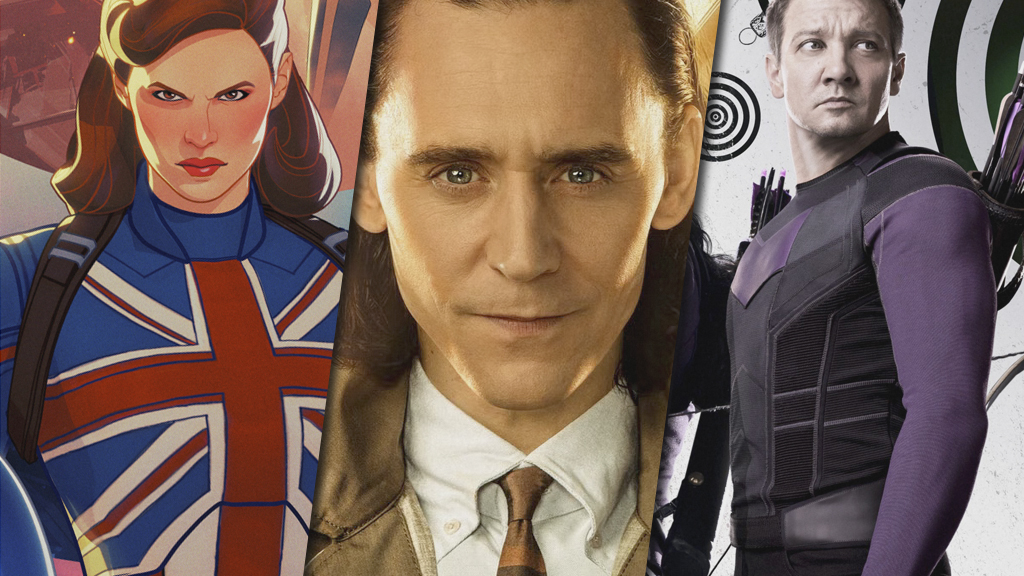
Hawkeye got a bit snubbed this year with only two nominations. They have been nominated for Best Stunt Coordination for a Comedy Series as well as Best Stunt Performance. Loki, however, was able to draw in six nominations in total with Best Production Design, Best Cinematography, Best Fantasy/Sci-Fi Costumes, Best Music Composition, Best Original Main Title Theme Music (well deserved), and Best Sound Editing. What If…? has also received three nominations, which include a posthumous nomination for Chadwick Boseman, Outstanding Animated Program for the Doctor Strange episode, and one for Jeffrey Wright as the Watcher.
All three shows were quite well received by critics and have left their impression upon the MCU with some unique concepts. Loki stands out for telling a story out of time while Moon Knight was the most standalone since the original Iron Man. In a way, Hawkeye gave us the most grounded of all the Marvel Studios storylines as Clint had to take down a mafia.
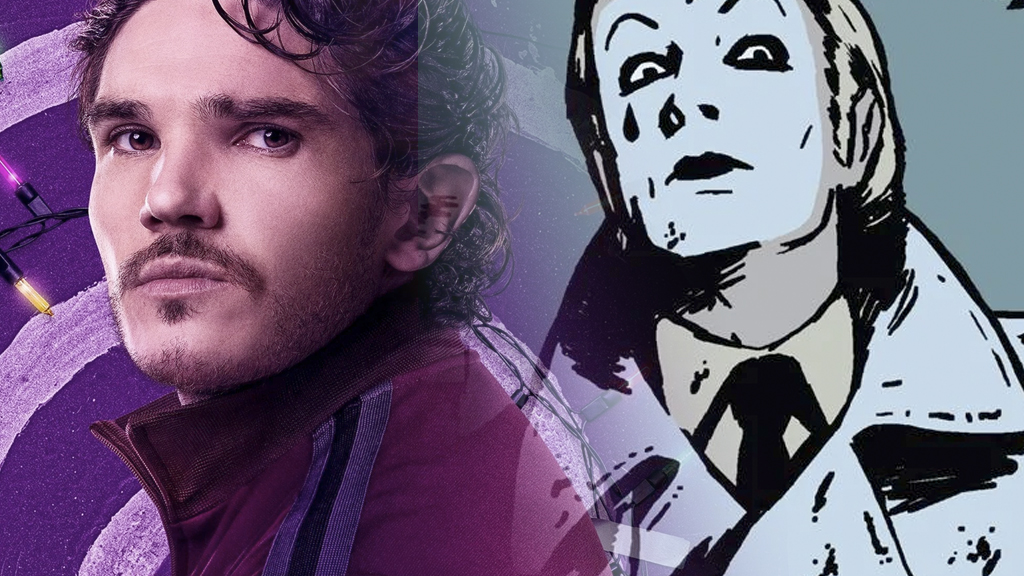
Hawkeye was one of Marvel Studios’ more grounded storylines, as Jeremy Renner‘s Clint Barton had to take on a couple of mafia goons in tracksuits alongside their leader Echo. Though, we’re also introduced to Kazi, a very different take from the comics clown portrayed by Fra Fee. At the end of the series, it seemed like the character made his untimely doom at the hands of his former boss, but Fee believes that there’s still a future for the character in the Marvel Cinematic Universe.
In an interview with Attitude Magazine, the actor got a chance to talk about his upcoming role in Zack Snyder‘s Rebel Moon and used the opportunity to tease his potential return to the MCU. While he doesn’t confirm anything, he says he doesn’t “really know just yet” but highlights that “no one’s ever dead in Marvel” after the events of Hawkeye.
Erm, the truth is, I don’t really know just yet. But I very much hope that Kazi can make an appearance. I wouldn’t put money on the fact he met an untimely end at the end of Hawkeye. No one’s ever dead in Marvel. I would be very hopeful and I’d certainly be thrilled to revisit the character and the world — I had such a good time
Fra Fee
He has confirmed in the past he knows about the character’s story and wasn’t going to tease if we may still get the Clown at some point. Many fans of the original run were a bit underwhelmed when he was nothing more than a member of the Tracksuit Mafia, but with an Echo spinoff show on the horizon, they could still take it in a direction that he makes his return as a changed man. For now, it’s just fun to speculate but who knows where the MCU is heading.
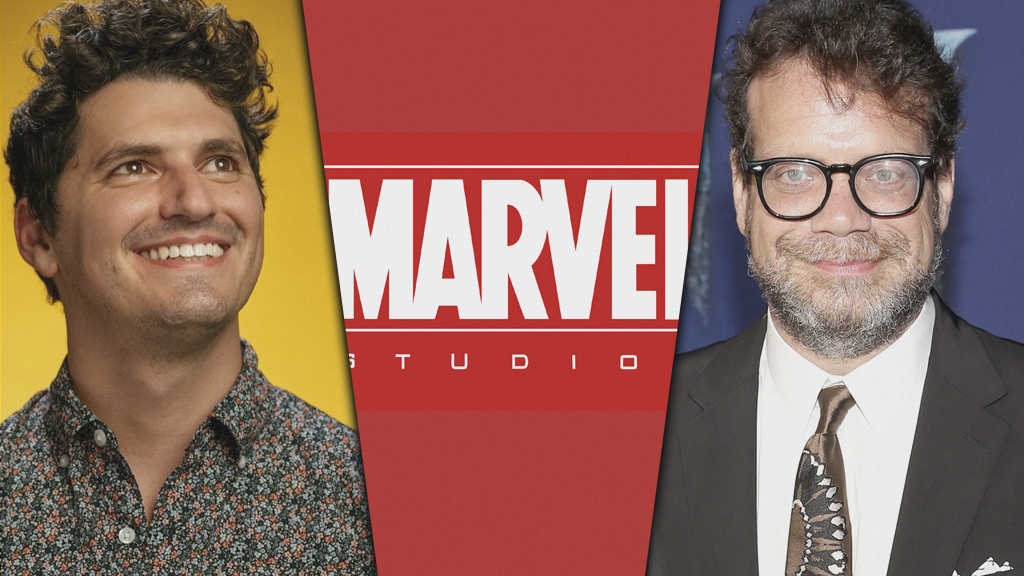
The Hawkeye composers Christophe Beck and Michael Paraskevas have left quite an imprint on the Disney+ series. Not only did it bring an emotional score to what may be Marvel Studios’ most grounded storylines, but they also had the joy of adding a Christmas/Holiday cheer to make it stand out. In a recent interview with BTL News, they revealed that the series was initially going to be darker, but also teased that they’ve already started work on the next Marvel project.
Sadly, they wouldn’t give away what exactly the project might be, if Disney+ series or film, but they also hinted that it’s not the only project they’re involved with. It seems they are also working on a Disney film, but can’t talk about either.
Another project for Marvel we can’t talk about and another Disney film we can’t talk about.
Christophe Beck
For now, we can only speculate but there are quite a few projects in the pipeline that could be the perfect match. In the same interview, they’ve also praised the opportunity of tackling this mini-series as the six-episode runtime gave them more flexibility than they’d otherwise not have to fully explore the themes for the entire series instead of just hoping one episode per week can be brought together.
One of the things I love about these miniseries Marvel is working on is that I had a sense for the entire story. Back in the earlier days, like when I worked on Buffy the Vampire Slayer, I was flying by the seat of my pants. They’re cranking out an episode a week for a long time and I just had to improvise. Here, by contrast, I know where it’s going, so I was not surprised by a plot twist later, and I could create a holistic musical universe.
Christophe Beck
Both composers have a background working on musical numbers. So, they may be involved with the upcoming Disenchanted film or even the live-action adaptation of Snow White and the Seven Dwarfs. In regards to Marvel, they also worked on Ant-Man and the Wasp. So, it could be likely he moved on to tackle the third entry, Quantumania. It’s only speculation but it’ll be interesting to see what they are tackling next.
Here’s a rather dark and curious revelation but it seems that Hawkeye was initially going to be a much darker show. Christoph Beck and Michael Paraskevas, who composed the Disney+ series, got a chance to sit down and talk about their work on the series. Beck highlighted how he went from WandaVision to tackle Hawkeye, especially how he was excited when Marvel reached out to him to return.
Well, [I did] WandaVision, the first series out of the gate for Marvel. And of course, Michael was involved as an additional composer. As we wrapped that one, Marvel reached out and told me about this one and that they wanted me involved. I have a very long relationship with Marvel so it was an easy “yes.”
Christoph Beck
It was him that brought Paraskevas onboard as he was already in a supporting role in the past, but it was the perfect timing to add him as a partner “after five years.”
I knew very little about [it] and I actually thought it would be a film noir type of vibe and that this would be reflected in the score. As time went on, it turned out to be a buddy Christmas comedy! And this also felt like the perfect project to finally bring on Michael as a full collaborator, as a partner, after five years. I pitched that to Marvel, and they were very enthusiastic.
Christoph Beck
The biggest reveal is that Hawkeye has seemingly gone through quite a few changes, as it seemingly was going to be much darker. While Beck doesn’t give away any details, it does seem that the story was going to focus on Clint Barton’s despair on what happened before evolving into a more joyful “Christmas in New York” story.
There was a bit of an evolution for what the sound of the score was going to be. At first, it was going to be a darker tone, focused on Hawkeye, his despair around the events of the Avengers, and the dark things he went through in his past. But the show, the story, and therefore the score evolved into something much more playful, especially between Jeremy Renner and Hailee Steinfeld. And the idea that this would be a ‘Christmas in New York’ sort of thing, we took.
Chrisoph Beck
Beck also confirmed that they would use any chance they could to include some Christmas in their music, especially to make the “superhero type of score” have something special to make it stand out more.
Whenever there was an opportunity to sprinkle in Christmas magic, we did. Not just the big set pieces we mentioned, but also incorporating classic Christmas textures into what was a more traditional Marvel superhero type of score.
Christoph Beck
While it would’ve been interesting to see a darker take on Barton fighting his grief, there is something special with taking the iconic comic that was more light-hearted and adding some Christmas cheer to it. It made the story stand out in a special way and also offered something unique over the Holidays for those hoping to get their Marvel fix.
There have been some curious statements in the past in regards to Moon Knight‘s overall viewership on Disney+. As SambaTV has not released the numbers for the final episode, many took this as a showcase that the show didn’t quite end on a high note. Yet, Nielsen ratings have revealed that Moon Knight managed to pull in its best viewing in its finale, which is a showcase of how different streaming services develop in comparison to traditional TV.
The six-episode series took in 715 million minutes from May 2nd to 8th which was the week of its finale. It grew from 681 million in its previous week, and the only small dip it faced was in its fourth week, otherwise, the show has continued to grow in viewership over its six-episode run. Normally, linear TV sees a recurring decrease in viewership over its total run, which may be due to long season formats and ongoing breaks in-between.
In total, the series pulled in 3.7 billion minutes watched, which puts it between Hawkeye (3.46B) and The Falcon and Winter Soldier (4.15B). The show managed to take in the third spot and beat out competition like Prime Video’s new Outer Range, Bullsh*t: The Game Show, and more. Netflix’s Ozark however was the champion that week. Outer Range took in the fourth spot but was a fair bit behind with 425M viewers, but not a bad performance.
Moon Knight‘s numbers aren’t something to just scoff at given that the character is the first newly introduced member of the MCU family with little to no connections to the rest. So, it beating out Hawkeye, which already posted some strong numbers is no small feat. The Mandalorian and Loki remain the strongest performers on the app, but we also don’t know if there are other success factors that haven’t been taken into account yet. Still, it seems Marvel Studios is still quite successful with what they produced so far.
We use cookies to improve your experience on our site. By using our site, you consent to cookies.
This website uses cookies
Websites store cookies to enhance functionality and personalise your experience. You can manage your preferences, but blocking some cookies may impact site performance and services.
Essential cookies enable basic functions and are necessary for the proper function of the website.
Name
Description
Duration
Cookie Preferences
This cookie is used to store the user's cookie consent preferences.
30 days
These cookies are needed for adding comments on this website.
Name
Description
Duration
comment_author_email
Used to track the user across multiple sessions.
Session
comment_author_url
Used to track the user across multiple sessions.
Session
comment_author
Used to track the user across multiple sessions.
Session
Statistics cookies collect information anonymously. This information helps us understand how visitors use our website.
Google Analytics is a powerful tool that tracks and analyzes website traffic for informed marketing decisions.
Contains information related to marketing campaigns of the user. These are shared with Google AdWords / Google Ads when the Google Ads and Google Analytics accounts are linked together.
90 days
__utma
ID used to identify users and sessions
2 years after last activity
__utmt
Used to monitor number of Google Analytics server requests
10 minutes
__utmb
Used to distinguish new sessions and visits. This cookie is set when the GA.js javascript library is loaded and there is no existing __utmb cookie. The cookie is updated every time data is sent to the Google Analytics server.
30 minutes after last activity
__utmc
Used only with old Urchin versions of Google Analytics and not with GA.js. Was used to distinguish between new sessions and visits at the end of a session.
End of session (browser)
__utmz
Contains information about the traffic source or campaign that directed user to the website. The cookie is set when the GA.js javascript is loaded and updated when data is sent to the Google Anaytics server
6 months after last activity
__utmv
Contains custom information set by the web developer via the _setCustomVar method in Google Analytics. This cookie is updated every time new data is sent to the Google Analytics server.
2 years after last activity
__utmx
Used to determine whether a user is included in an A / B or Multivariate test.
18 months
_ga
ID used to identify users
2 years
_gali
Used by Google Analytics to determine which links on a page are being clicked
30 seconds
_ga_
ID used to identify users
2 years
_gid
ID used to identify users for 24 hours after last activity
24 hours
_gat
Used to monitor number of Google Analytics server requests when using Google Tag Manager
1 minute
Marketing cookies are used to follow visitors to websites. The intention is to show ads that are relevant and engaging to the individual user.
Pinterest Tag is a web analytics service that tracks and reports website traffic.